
Түркілердің шығу тарихында ақтаңдақ көп, сондықтан да осы тақырыпта пікірталас әлі де толастамай келеді. Оның ауқымы ғалымдар қауымдастығынан тысқары шығып, өзге де салаларды қамтиды. Тарихшы Джу-Юп Ли Qalam-ға берген сұхбатында «түркі» этнонимі әуелде алып империяның шағын ғана билеуші тобының атауы болып, кейін қалай бірнеше халықтың ортақ атына айналғанын түсіндірді.
Сіздің кітабыңызда түркітілдес халықтар б.з.б. 3-ғасырда-ақ «теле» не «динлин» деген атпен пайда болды делінеді. Олар шын мәнінде кім еді және ең ежелгі түркітілдес халық деп ғұндар емес, телені атайтыныңыз қалай?
Теле деген біртұтас халық болған жоқ. Моңғолияның солтүстігін мекендеген, түрлі тайпадан құралған көшпенді жұрт болатын. Қытайдың тарихи жазбаларында олар алғаш рет б.з.б. 3-ғасырда ғұндар бағындырып алған көшпелі халықтардың бірі деп аталады. Арада бірнеше ғасыр өткенде, 6-ғасырдың ортасында тарихтағы алғашқы Түркі империясын құрған түркілер телені де жаулап алып, дәргейіне қаратады. Сондықтан теле туралы сөз болғанда әуел баста олардың түркі болмағанын естен шығармауымыз керек.
Түркілер мен теле — өздерін екі бөлек жұртпыз деп білген қауымдар. Теленің түркілерге қарсы қайта-қайта көтеріле бергені де содан. Ақыры 8-ғасырдың ортасында олар түркі билігін құлатып, Ұйғыр империясын құрды. Ұйғырлардың өзі теле құрамындағы жұрттың бірі болатын. Алайда осы тұста тағы бір маңызды мәселе, түркі тілінде сөйлегені анық бізге белгілі ең көне жұрт — осы теле.
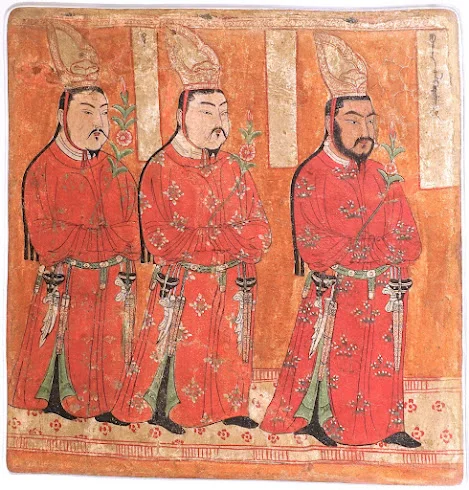
Ұйғыр тегіндері. Безеклік кешеніндегі №9 үңгірдің қабырға суреті. 8–9-ғасырлар / Берлин этнологиялық музейі / Wikimedia Commons
Ал ғұндардың жайы бөлек. Ғұн тарихын зерттеп жүрген мамандар олардың құрамында түркітілдес жұрт болуы мүмкін дегенді жоққа шығармайды. Ғұндардың құрамы аралас болғанын кейінгі генетикалық зерттеулер де растап отыр. Бірақ ғұн құрамындағы топтардың бәрі болмаса да, кейбірі, сірә, Енисей тілдерінің бірінде сөйлесе керек. Демек, олардың арасында түркі тілінде сөйлеген топтар болған күнде де, күллі ғұн жұрты түркітілдес болды дей алмаймыз.
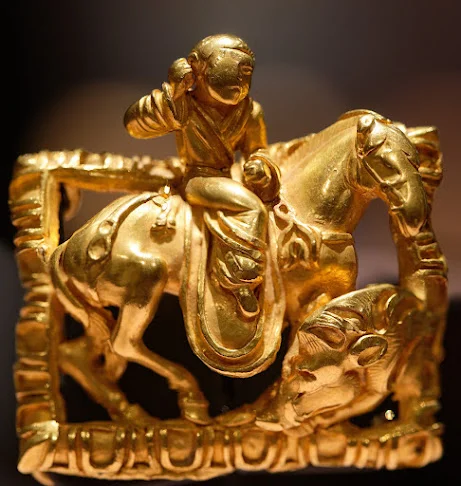
Қабан аулау көрінісі бейнеленген алтын айылбас. Б.з.б. 2–1-ғасырлар. Тәжікстандағы Саксанохурдан табылған / Тәжікстанның Ұлттық көне мұралар музейі / Wikimedia Commons
Түркілердің билеуші әулеті — Ашинаның шыққан тегі үндіеуропалық болуы мүмкін деген болжам бар. Сонда алғашқы Түрік империясын құрғандар тегі жағынан түркі болмауы да мүмкін ғой. Бұған қандай негіз бар?
Ең алдымен мынаны ескерейік: Ашина әулетінің тегі үндіеуропалық болған деп кесіп айтып отырған жоқпын. Айтпағым — бірқатар жағдаятқа қарағанда, солай да болуы да ықтимал. Түркі халықтары тарихын зерттеп жүрген жетекші тарихшы Питер Голден Ашина әулетінің атауы, сірә, иран не сақ тіліндегі «көк» деген мағына беретін сөзден шыққан деп болжайды. Оның үстіне, Ашина әулетінде иран және үндіеуропалық титулдар, терминдер мен есімдер де ұшырасады.
Тақырыпқа орай
ТҮРКІ ӘЛЕМІНІҢ ТҮЗІЛУІ
Питер Голден ерте түркілердің шыққан тегі, кім болғаны және олардың билік жүйесі жайында
Қытайдың «Чжоу кітабы» жылнамасында Ашина әулетінің қырғыздармен туыстығы айтылады. Түркілер де, қырғыздар да өлген адамын өртеген. Ал телелер, керісінше, мәйітті жерге көмген. Теледен айырмасы, қырғыздардың сырт келбетінде үндіеуропа жұртына тән белгілер болған: бойшаң, шашы ақшыл, көзі көк не жасыл келетін. Қытайдың тарихи жазбаларында олардың түр-тұлғасы дәл осылай сипатталады. Қырғыздар әуел баста түркітілдес халық болмай, кейін түркіленген жұрт болуы әбден мүмкін.
Осының бәрін ескермесе болмайды, алайда ең бір сақтықты талап етер қорытынды — Ашина түркілерін аралас топ болған деу.
Ашина түркілері бүкіл түркі халқына атын қалдырғанымен, кейін өздері жоғалып, мыңжылдықтар межесіне қарай тарих жадынан өшіп кетті. Бұл қалай болды және олардың дәстүрін жалғап қалған кім?
Моңғолияның жері ұлан-ғайыр, алайда онда қазірдің өзінде небәрі 3,5 миллиондай адам тұрып жатыр. Соғыс, табиғат апаттары мен көші-қон қатар келгенде көшпенділердің жекелеген топтарының жоғалып кетіп отырғаны үйреншікті жағдай болған.
Бүгінде түркі халықтарының бәрі өзін Ашина түркілерінен таратуға бейім. Алайда мен Ашина әулетінің тікелей ұрпағы Қарахан әулеті дер едім. Өйткені Түркі қағанаты ыдырағаннан кейін оның дәстүрін жалғап қалған алғашқы мемлекет — Қарахан мемлекеті. Оның негізін Батыс түркі тайпалары құрады, ең маңыздысы — олар өздерін түркі деп атаған. Ал Түркі қағанатын құлатқан ұйғырлар өздерін түркі деп білген жоқ.
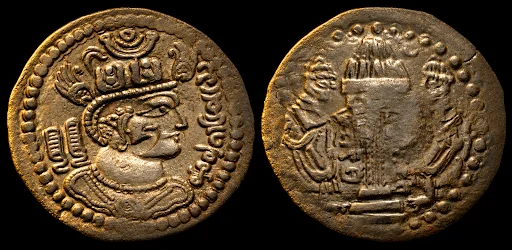
Түркі Шахи әулетінің билеушісі Шахи Тегиннің (Шри Шахи) теңгесі. 679 жылдан кейін соғылған / Classical Numismatic Group / Wikimedia Commons
Қытайдың тарихи дереккөздері «туцзюэ», яғни «түркі» атауын әдетте басқа топтарға емес, хазарларға ғана телиді. Бұл — өте сирек кездесетін жағдай. Қытай дереккөздеріндегі осындай сипаттау мен хазар билеуші әулеті Ашинадан тараса керек деген жорамалды қарастырсақ, Хазар қағанатын түркілердің тікелей мұрагерлерінің бірі деудің орайы бар.
Сондықтан Қарахан әулетімен қатар, Хазар қағанатын да атауымыз керек: оның билеуші әулеті, сірә, Ашиналардан тараса керек. Мамандар осыған келіседі.
Алайда Қарахан мемлекеті мен Хазар қағанаты ыдырағаннан кейін олардың дәстүрін тікелей жалғап қалған мемлекеттер болмады. Демек, қазір Ашина әулетінің тікелей ұрпақтары жоқ, жанама тармақтарынан тарағандар ғана қалған.
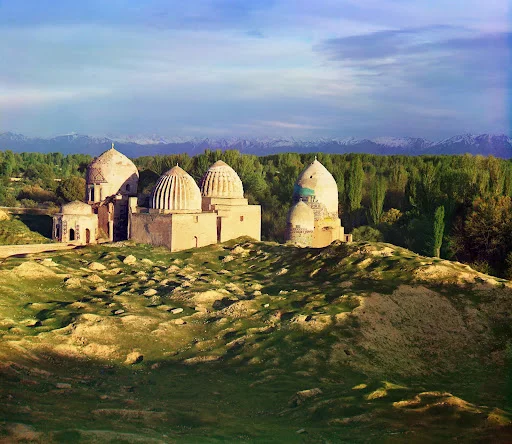
Сергей Прокудин-Горский. Самарқандағы Шахи-Зинда кешенінің жалпы көрінісі. 1905–1915 жылдар / АҚШ Конгресі кітапханасы / Wikimedia Commons
Ал Қарахан әулетінің ұрпақтары қазақ даласында қалып, қазіргі қазақ халқының құрамына сіңген болса, онда қазақтарды да олардың жанама ұрпақтары қатарына жатқызуға болады. Алайда мұны бұлтартпас дәлел келтіріп көрсету мүмкін емес.
8-ғасырдағы Орхон жазбалары — түркі жазуының ең көне ескерткіштері. Оларда не айтылады және түркілер өз болмысы мен бірегейлігін қалай таныған?
Түркілер мен теленің арасы сол жазбаларда анық ажыратылады. Теледен тараған ұйғырлар өз жазбаларында өздерін ешқашан түркі демеген, ұйғыр деп атаған. Тіпті түркілер дұшпан ретінде сипатталады. Қарапайым тілмен айтсақ, Орхон жазбаларында «түркі» атауы тек Түркі қағанатының өзегін құраған тайпаларға қатысты қолданылады. Ал телені «оғыз» деді. Бұл қырғыздарға да тән: олар өзін түркі емес, қырғыз деген.
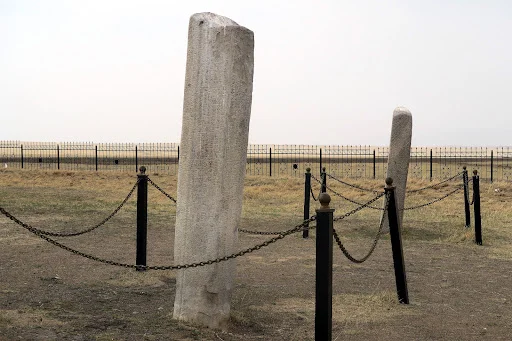
Орхон жазба ескерткіштері кешеніндегі Тоныкөк жазба ескерткіші. Моңғолия / Vezirtonyukuk / Wikimedia Commons
Түркі тілінде сөйлей бастаған кісі өзін бірден түркімін деп кетпейтін. Мысалы, Жошы ұлысындағы, яғни Алтын Ордадағы моңғолдар түркітілдес болып кеткеннен кейін де өздерін түркі деген жоқ.
Жошы ұлысындағы, яғни Қыпшақ даласындағы түркі тіліне көшкен моңғолдар өз бірегейлігі мен болмысын Жошы ұлысына тиесілігімен байланыстырып сақтап қалды. Кейін содан өзбек, қазақ және татар бірегейлігі қалыптасты.
Дала аймақтары мен Сібірде «түркі» сөзі этноним ретінде қолданылмаған. Көпшілік жұрт бұл атау Сібірде не Еділ бойында кең тараған деп ойлайды. Алайда менің зерттеулерім исламға бет бұрған Орталық Азия мен Қыпшақ даласы бұл тұрғыда қаншалық өзгеше болғанын көрсетеді. «Түркі» атауы Орталық Азияның шұрат өңірлерінде қолданылған, алайда Қыпшақ даласында да, одан әрі солтүстікте де жүрмеген. Тиісінше, қазақтар мен татарлар да өздерін түркі деп атаған жоқ.

Көне түркінің руна жазуымен қашалған Тоныкөк жазбасының фрагменті. 8-ғасыр / Wikimedia Commons
Ал Орталық Азияда түркі тіліне көшкен моңғолдар шынымен «түркі» атауына мойынсұнды. Алайда бұл атаудың ар жағында Ішкі Азия көшпенділерін, соның ішінде моңғол мұрасын қамтитын бірегейлік жатқан. Мысалы, Әмір Темір өзін түркі дегенімен, моңғол бірегейлігін де сақтап қалды. Моңғол дәуірінен кейінгі Орталық Азия деректерінде, соның ішінде Әмір Темір мен Шайбани әулеттерінің ресми тарихында, моңғолдар түркілердің ең көрнекті өкілдерінің бірі деп танылған. Яғни Орталық Азияда тарихи түркі бірегейлігі ауқымды болған және түркіге жатпайтын мұраны, соның ішінде моңғол шежіресін де қамтыған.
Осы тұста бұдан да терең сұрақ шығады: иран, моңғол және басқа да түрлі жұрт неге түркі тілдеріне көшкен? Мұның екі негізгі себебін бөліп айтуға болады: не түркітілдес жұрттың өзі сол кездің өзінде демографияның көп бөлігін құрап отырған, не билеуші элитаның тілі қарапайым халық арасына тараған.
Бұған қоса, моңғолдардың түркіленуіне түркітілдес аналар да ішінара сеп болса керек: олардан туған балалар солардың тілін ана тілім деп меңгерген.
Әуелде «түркі» сөзі түркітілдес халықтардың бәрінің ортақ атауы емес, тек билеуші Ашина тобының атауы болғанын айтып өттік. Сонда ол қашан және қалай жалпы атауға айналды?
Моңғол даласы мен Шығыс Азияда «түркі» атауы қолданыстан шығып қалғанымен, ислам әлемінде кең тараған. Мұсылман авторлары Ішкі Азия көшпенділерінің бәрін түркі атап, оның көпше түрі — «атрак» сөзін қолдана бастаған. Атаудың мағынасы осылай кеңейгенде, түркі тілдерінде сөйлемейтін топтарды да түркілерге жатқыза берген. Сондықтан 13-ғасырдың басында моңғолдар ислам әлеміне келген кезде оларды татар деп те, түркі деп те атаған.
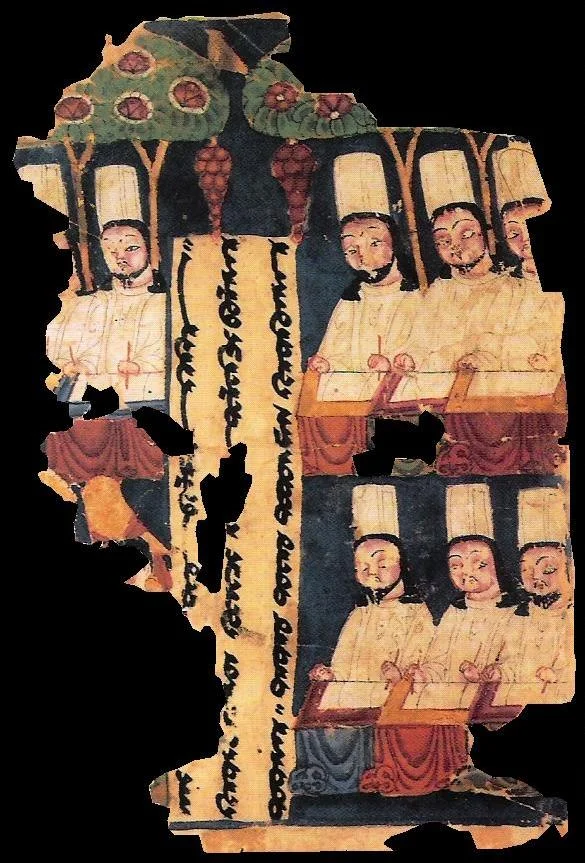
Жазу үстеліндегі Манихей дінбасылары. Қочо Ұйғыр патшалығына тиесілі манихей қолжазбасының бір парағы. 8–9-ғасырлар. Қағазға салынған сурет / Wikimedia Commons
Оңтүстікке, исламға бет бұрған Орталық Азия мен Таяу Шығысқа қоныс аударған түркітілдес көшпенділер ислам әлемінде кең тараған осы ортақ атауға мойынсұнады. Ондағы мақсат — өзін отырықшы ирантілдес жұрттан ажырата алу болса керек.
Ал ислам әлемінің негізгі аймақтарынан тыс жерде түркітілдес топтар «түркі» атауын өз атауы қылып қабылдаған жоқ. Сібірдегі сахалар мен туваларға да, Еділ бойындағы жұртқа да, Қыпшақ даласының көшпенділеріне де осы тән. Мысалы, қазақтың ауызша дәстүрінде «түркі» атауы ұшыраспайды.
Ислам әлемінен айырмасы, Еуропа мен Қытайда «түркі» сөзі ешқашан да түркітілдес халықтардың бәріне ортақ атау ретінде қолданылған емес. Салыстырмалы тіл білімі қалыптасқанға дейін олардың бәрін біріктіріп атайтын ортақ термин де болмаған. Еуропада Анадолыдағы селжұқтар мен османлылар ғана түркі, дәлірегі түрік аталған, ал қазақтар қазақ не татар аталған.
Селжұқтар мен османлылардың арғы атасы оғыздар Арал маңында көшіп-қонып жүрген. 11-ғасырда олар батысқа қарай жылжып, Хорасаннан өтіп, Иран мен Анадолыға барады. Осы көшке дейін олар кім еді және олардың батысқа кетуіне не себеп болған?
Оғыздардың нақты шығу тегі бізге белгісіз. Алайда түркі жазбаларында теле оғыз аталғандықтан, ғалымдардың кейбірі теленің бір бөлігі батысқа көшіп, оғызға айналған деп болжайды. Кейінгі ДНҚ зерттеулері де оғыздар түркілерден емес, телелерден тараған деген пікірді қостайды.
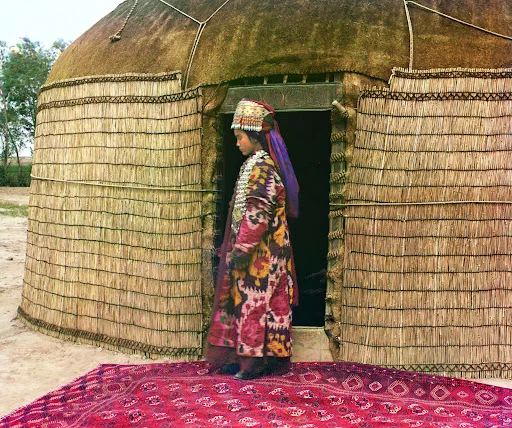
Сергей Прокудин-Горский. Дәстүрлі киім киіп, әшекей бұйымдарын таққан түрікмен әйелі киіз үйдің алдында. 1911 жыл / АҚШ Конгресі кітапханасы / Wikimedia Commons
Ал оғыздардың Арал маңынан батысқа көшуіне келсек, оларды қыпшақтар ығыстырып, оңтүстікке қарай тықсырып жіберген, соның салдарынан Сырдарияның солтүстігіндегі дала Оғыз даласы емес, Қыпшақ даласы атала бастады.
Оғыздардың одан әрі батысқа, Анадолыға ауа жылжығаны екі ірі тарихи оқиғаға: Византияны жеңген Селжұқ империясының күшейгеніне және Моңғол империясының кеңейгеніне байланысты болды.
