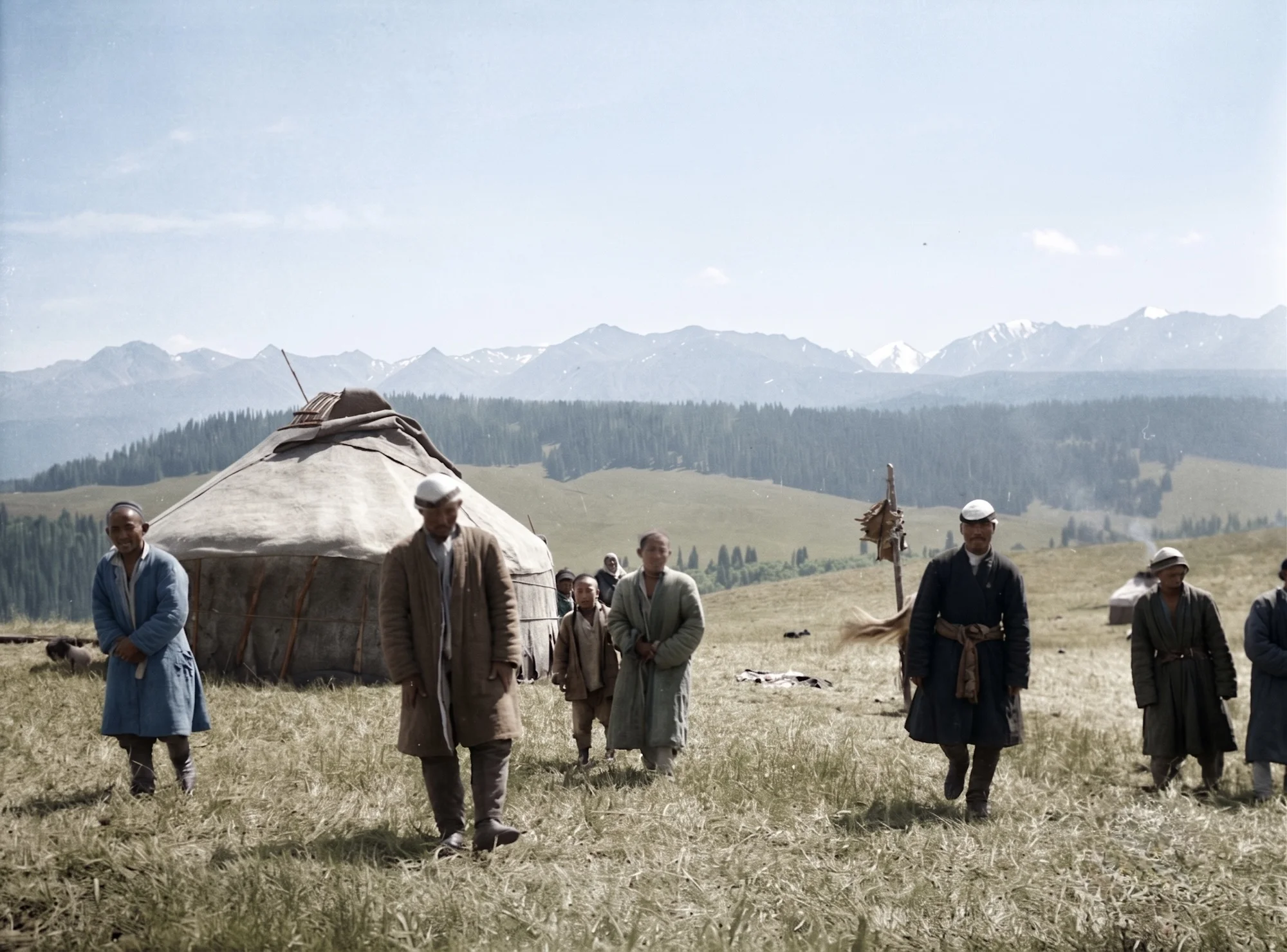
The destruction of Kazakhstan's nomadic way of life is most often associated with Stalin's catastrophic collectivization campaign of the early 1930s—and for good reason. However, the decade preceding that tragedy reveals a far more complex picture, one of how the young Soviet state struggled to govern a highly mobile society while pursuing socialist modernization and economic transformation.
Initially, the Bolsheviks did not seek to eradicate nomadism immediately. Instead, in the years after the revolution, they experimented with accommodation, negotiation, and reform. However, these efforts were constrained by competing political priorities and an enduring belief that nomadic pastoralism belonged in the past. How did accommodation give way to coercion? And what did that transformation mean for the people caught in between? This is the story of how the foundations were laid for one of the twentieth century's greatest human catastrophes.
- 1. Before the Catastrophe: Soviet Rule and the Forgotten Decade
- 2. The Soviet Encounter with Nomadic Life
- 3. Understanding Nomadic Life
- 4. Reform on the Steppe: Soviet Experiments with Nomadism
- 5. Nations Before Nomads: Borders, Territory, and the New Soviet Order
- 6. Against Pastoralism: The Triumph of the Sedentary Ideal
Before the Catastrophe: Soviet Rule and the Forgotten Decade
Even a cursory glance at the iconography of Kazakhstan today—from monuments, banknotes, and national symbols—reminds us of the country’s nomadic heritage. Horses, yurts, and vast open steppes are everywhere, reminders of a past that continues to shape national identity. Yet the reality on the ground tells a different story. While nomadism, or mobile pastoralism, is still found in some parts of the country, cattle herders on horseback, migrating from pasture to pasture, have long ceased to define the national economy. Indeed, like so many other aspects of pre-revolutionary life, nomadism barely withstood the transformative power of the Soviet state.
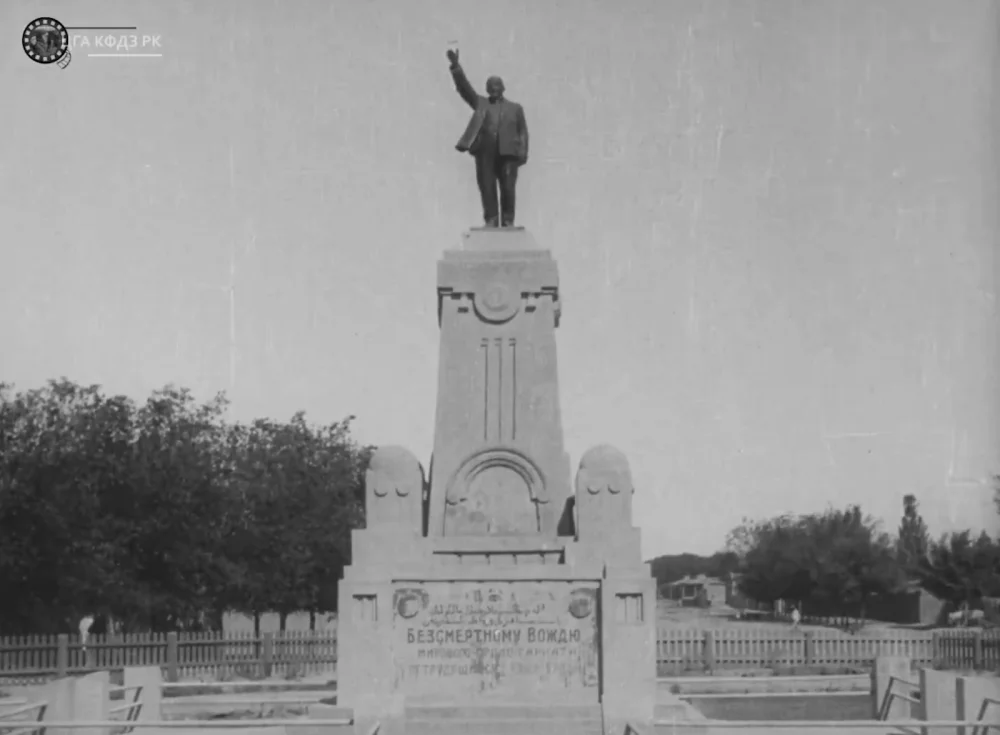
Monument to Vladimir Lenin. Kyzylorda, 1927. Still from the Soviet newsreel Soviet Kazakhstan / Central State Archive of Film, Photo Documents and Sound Recordings of the Republic of Kazakhstan
Nomadism as a way of life was already struggling in the late tsarist period leading up to 1917. Russian peasants arriving from the areas north of the Great Steppe settled in traditional migratory routes and pastures, causing great hardship for nomadic herds. Additionally, the civil wars of 1918–1920 created pockets of famine and destitution in nomadic regions. Then, in the early 1930s, Joseph Stalin’s collectivization drive prompted a much larger famine, devastating Kazakh agriculture, and making the practice of nomadism untenable for millions of people.
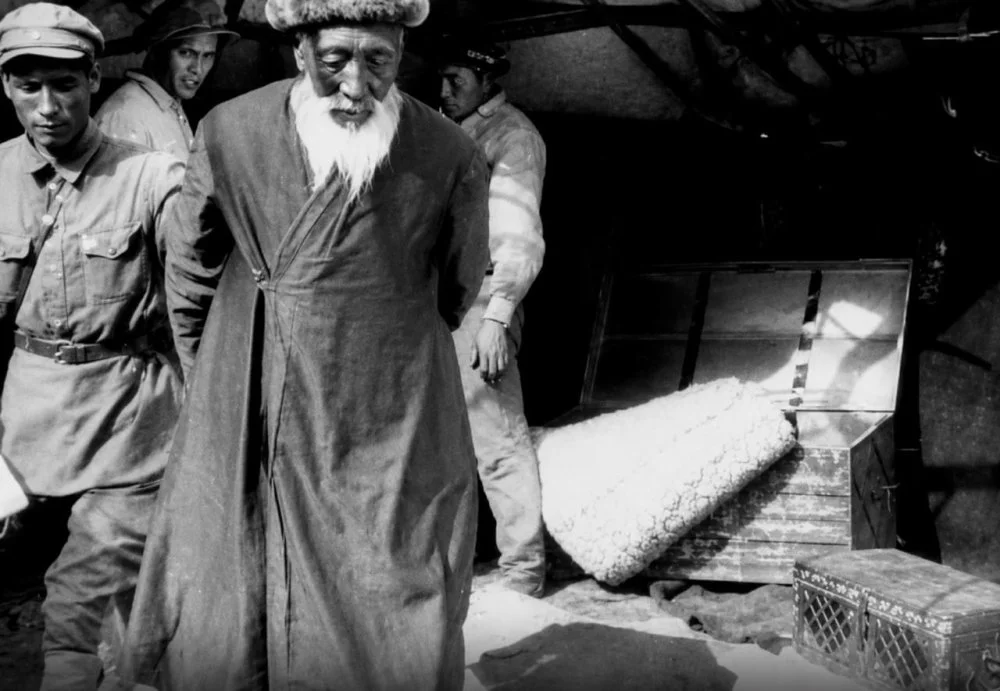
Staged scene depicting the arrest of a bai. Kazakhstan, 1930. Still from the Soviet propaganda film From Nomadism to Sedentary Life / Central State Archive of Film, Photo Documents and Sound Recordings of the Republic of Kazakhstan
Yet, this account leaves nearly a decade of Soviet power in the history of nomadism unexamined. How was nomadism governed in the years after the Russian Revolution and Civil War, but before collectivization, in the years approximately between 1920 and 1928?
It might be assumed that the Bolsheviks arrived on the steppe, fresh from their victory over the White Army, and mounted a concerted campaign to eradicate nomadism, a campaign which reached its brutal apogee between 1932 and 1933. In fact, it only took so long to achieve its aims because the Stalinist state took over a decade to really establish itself. But the reality is, of course, more complex.
The Soviet Encounter with Nomadic Life
The post-revolutionary regime was indeed threadbare and impoverished, barely able to persecute nomads even if it wanted to. But the early Bolsheviks were also keen to stabilize the nomadic economy, recruit nomads as members of the Communist Party, and even adapt administrative processes to the mobility of the Kazakh population. In these aims, they had limited success and unfortunately ended up doing more harm than good. Yet, a closer assessment of the events of the 1920s still reveals various moments of opportunity for an entirely different relationship to emerge between Soviet power and the nomadic peoples.
One of the most valuable sources of information we have about nomadic life in the Soviet 1920s comes from an unlikely source: the petitions and correspondence submitted to the Communist Party by ordinary nomadic citizens. These were usually written by patriarchs or elders speaking on behalf of one or more families on matters of pasturage, water access, law enforcement, and so on. Typically translated or transcribed into Russian by Communist Party agents, and further edited and processed for consumption by one committee or another, these sources are profoundly imperfect historical evidence, filtered as they are through the linguistic and procedural biases of the new socialist regime. Still, they reveal a nomadic population willing to speak to the state, and a state willing—at least some of the time—to listen.
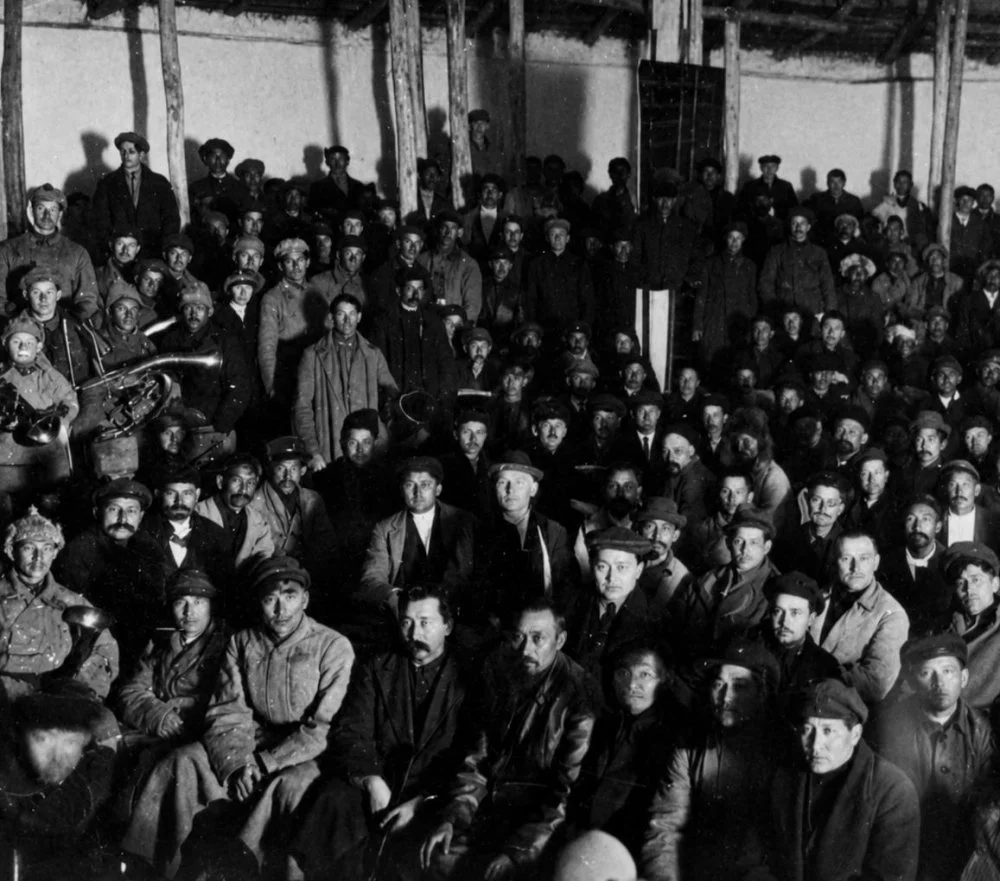
Delegates to the Fifth All-Kazakh Congress of Soviets. 15–19 April 1925 / Central State Archive of Film, Photo Documents and Sound Recordings of the Republic of Kazakhstan
This was at once the same and different practice as the late imperial era. It is not the case that nomads had never corresponded with tsarist power. The Russian Empire regulated nomadic migration and trade; indeed, it encouraged religious proselytizing among nomads and, most significantly, it oversaw the huge influx of settler colonization that forced nomads from their lands and destabilized their communities. But the degree, scope, and intensity of interference by the Soviet state, across all aspects of domestic, economic, and political life, greatly surpassed anything that had been previously attempted by the Romanovs. And this is precisely what the sheer detail and volume of the nomads’ Soviet-era petitions reveal.
The nomads of the Soviet period were also addressing government organs that had been created in response to Vladimir Lenin’s call for national liberation. Rather than approaching tsarist officials overseeing colonial territories, Soviet nomads on the steppe most often negotiated about their interests with committees and commissions of the Kazakh Autonomous Soviet Socialist Republic (Kazakah ASSR). This emphasis on national representation would have some counterintuitive effects. Arguably, it squeezed out space for any kind of formalized nomadic representation.
Understanding Nomadic Life
To give them their due, the Bolsheviks saw that Central Asians could not be divided neatly into nomadic and sedentary peoples. Rather, they generally understood nomadic pastoralism to be a way of life encapsulating a multitude of behaviours which communities and individuals could adopt or refrain from at different times of year or in different phases of their lives. Whereas some families migrated nearly constantly throughout the seasons, travelling many miles between encampments, other transhumant (semi-nomadic) groups migrated only twice a year. While some nomads cultivated pastures or farmed the land, others undertook occasional work in urban areas or made money through trading. In some places, migration was left to the young and able-bodied; elsewhere, entire communities—men, women, and the young—joined the caravan.
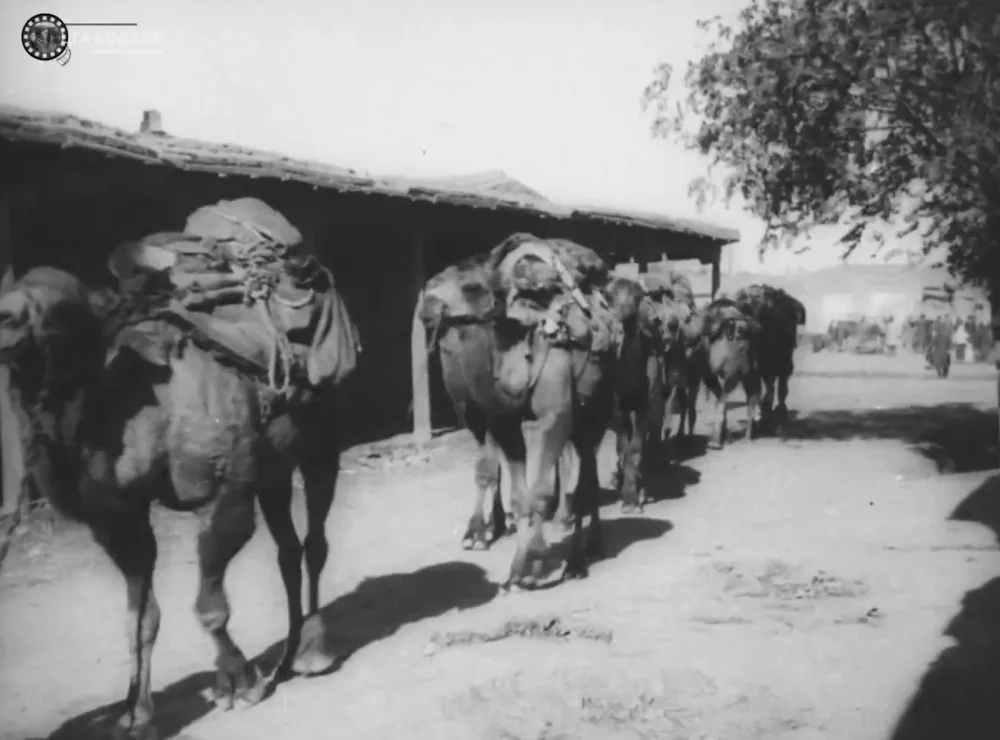
Camel caravan. Kyzylorda, 1927. Still from the Soviet newsreel Soviet Kazakhstan / Central State Archive of Film, Photo Documents and Sound Recordings of the Republic of Kazakhstan
Cognisant though they were of this complexity, Communist Party members, however, lacked the conceptual finesse and nuanced administrative tools necessary to govern it successfully. Kazakh Bolsheviks brought their lived experience and knowledge of local customs to committee discussions, but the permission to participate in those discussions relied on their vocal adherence to the broader Soviet goals of economic progress, resource extraction, infrastructural development, and agricultural productivity.
Were these goals compatible with the preservation of the nomadic way of life? This was a matter of lively debate in the early 1920s. Other non-Kazakh Bolsheviks also came to committees with different assumptions about nomads’ background. A certain base prejudice against nomads was certainly present in the thinking of agents from outside Central Asia, but it was also present in the positivist legacies of tsarist-era ethnography, which posited that nomadic culture was benign but fundamentally uncivilized. For many early Bolsheviks, nomadism was like peasant superstition or folk medicine. They thought it was likely to be abandoned, quickly and completely, as soon as the full benefits of revolutionary socialism became apparent.
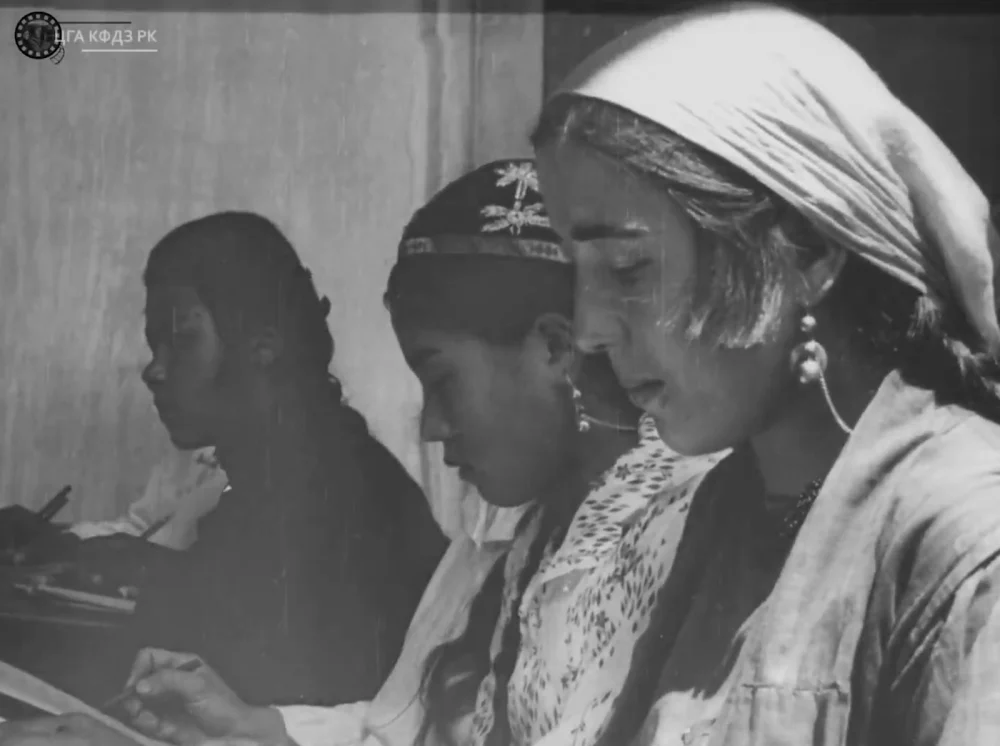
Women attending a literacy class. Kyzylorda, 1927. Still from the Soviet newsreel Soviet Kazakhstan / Central State Archive of Film, Photo Documents and Sound Recordings of the Republic of Kazakhstan
This combination of real-world complexity and administrative ambivalence had a distinctive impact on the documentary record. State archival holdings from across Central Asia in the 1920s reveal a new regime struggling to count, codify, process, and prioritize different manifestations of nomadic life, all while seldom naming them as such. The files are filled with attempts to impose order on a fluid reality, to fit mobile people into fixed categories that never quite seemed to hold.
One of the great ironies of early Soviet Central Asia is that the Bolsheviks, the advocates of an emphatically materialist political ideology, dedicated far more attention to the identitarian politics of nationality than to the very material realities of mobile pastoralism. Nomadism, in the archives, is at once everywhere and nowhere.
There is, however, an important caveat to this ambivalence: nomadism was taken into consideration during the national delimitation of Central Asia. There seemed a clear acknowledgment that the steppe could not be divided without taking into account the people who moved across it. And so, in the mid-1920s, the Communist Party brought together representatives of various peoples and places to achieve a new constitutional settlement for the region with nationality at its core.
Conceptually, nomadism was present in these discussions. In brief, the nomadic habits of the Kazakhs, as well as the Kyrgyz and Turkmen, helped to distinguish their lands from sedentary Uzbeks. In this way the Bolsheviks acknowledged the importance of nomadic life. But these very abstract political discussions were only one small part of the story for the millions still practicing nomadism in Kazakhstan.
More about
THE MAKING OF CENTRAL ASIA’S MODERN BORDERS
The Turbulent Story of the National-Territorial Delimitation of 1924
A looser federal structure for the Central Asian nations was considered but finally eschewed, meaning that the borders that emerged between Kazakhstan and Turkmenistan, for example, divided ethnonational jurisdictions. This would hugely complicate nomadic migratory routes that straddled different republics and, therefore, crisscrossed between precious resources on either side of these borders. Further, while nomadism became one of the characteristics that defined the Kazakh (or the Turkmen or the Kyrgyz) national identity in the early territorialization of the Soviet Union, the Kazakh republic represented their own national interests and not nomadic interests, and nomadism was not just a matter of political identity and identification.
Reform on the Steppe: Soviet Experiments with Nomadism
As was clearly apparent to any local administrator on the Great Steppe, the Karakum Desert, or the Tian Shan Mountains, nomadism was a cardinal feature of domestic and macroeconomics. It was also a key variable in state administration, taxation, welfare, education, development, and mobilization. The new Soviet state was profoundly ambitious across every one of these activities, even though its basic capabilities in Central Asia were extraordinarily limited in the years following the Civil War, and thus nomadism emerged as a problem to be solved for hard-pressed administrators all over the region.
As in the pre-revolutionary period, the ownership and use of land was the most common flashpoint for conflict in the region. Committees at every level of the state hierarchy were petitioned by nomads on the proper distribution of pasture and arable land. In the very earliest years after the Civil War, many non-Kazakh settlers were expelled to make way for the return of nomadic herds. In some cases, this reclamation of lands was achieved by sheer force as nomads appeared at the outskirts of farmsteads, confident of their ability to enter now that the tsar had gone. Some even cited the emancipatory, anticolonial language of the new regime to justify their actions.
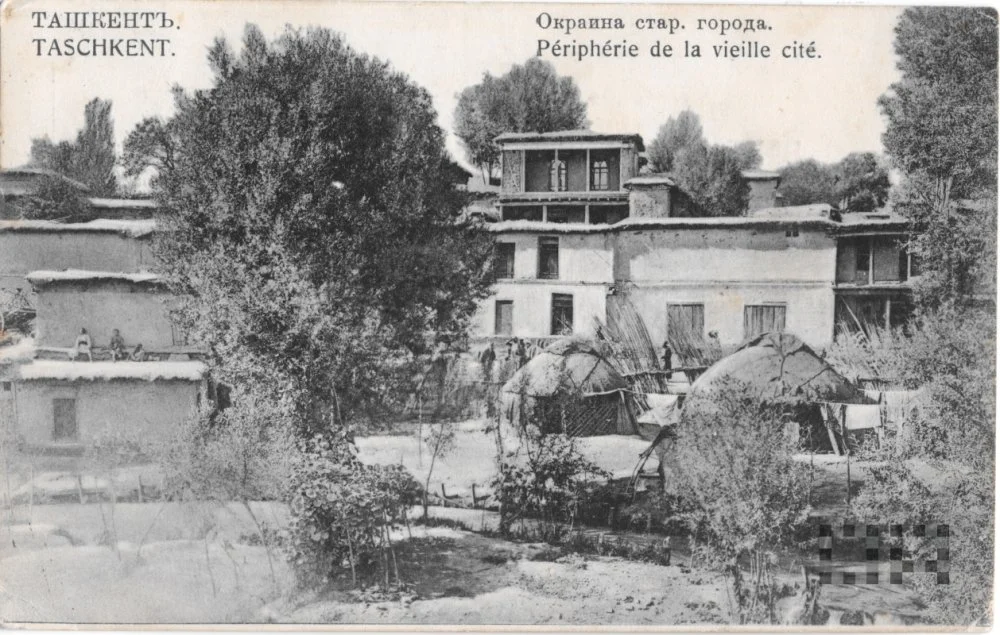
Tashkent. Outskirts of the old city. Early 20th century / Nizami Ibraimov Archive, CA Photo Archives
Indeed, one of the more interesting and contentious aspects of the Communist Party’s early treatment of nomads was those decisions which condoned or even encouraged such land requisitioning, and which might be interpreted as an act of deliberate decolonization, an attempt to roll back the settler colonialism of the tsarist era. The Party also interposed itself between nomads and their access to wells, riverways, timber, and valleys, inserting Soviet authority into every corner of the pastoral economy.
In the realm of taxation, some initial efforts were made to differentiate the rates levied based on nomadic practice. Tax levels varied not only depending on the size of a family’s herd, but whether that family was fully nomadic, transhumant, or fully settled. Of course, determining a family’s particular category of nomadism was no easier than determining the number of cattle it owned. Families often grazed their animals together and loaned animals to one another, a practice the Bolsheviks interpreted as class-based exploitation.
More about
The Dominance of the Bais in Party Cells
The Struggle Against the Class Enemy in Soviet Propaganda
Typologies of nomadic behaviour could either be hopelessly vague or uselessly specific. Most vexingly for hard-pressed officials, nomads migrated into and out of their administrative district too quickly and unpredictably to be levied. In other cases, where tax subsidies were offered to nomads who intended to settle and establish a farmstead, the nomads would promise to settle, avoid a higher rate of tax, and then migrate before their fraud was detected.
Perhaps the most vivid example of the state’s adaptations to nomadic practice was the Red Yurts. These were travelling bands of Party operatives, medical professionals, veterinarians, and educators employed via regional committees to migrate across the steppe to deliver socialism directly to the encampments. The services they offered were very practical and included pregnancy care, basic literacy classes, advice on care for animals. and so on. In addition, vaccinations were also administered.
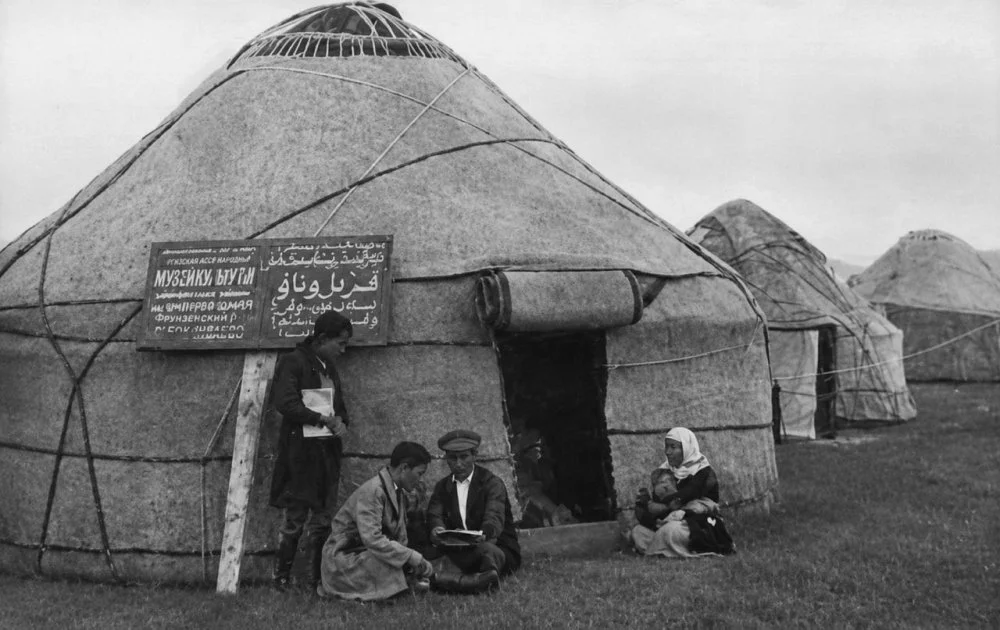
The Red Yurt. Kazakhstan, early 1930s / Mikhail Pogrebetsky. Khan-Tengri. Kharkiv–Odesa: Dytvydav, 1934
In exchange, the Party expected the yurts to have an integrative and mobilizing effect, encouraging nomads to value the teachings of Marx and Lenin, improve the treatment of women, push back against religious traditions and dogma, and undertake an internal class struggle against the Kazakhs’ own version of the Russian kulak, the despotic bai, who (in Bolshevik teachings) exploited poorer families through the lending of cattle and the employment of labourers.
Nations Before Nomads: Borders, Territory, and the New Soviet Order
With just one or two exceptions, all of the efforts to engage with nomads that we have discussed—land reform, taxation, education and welfare, etc.—were administered not by union-wide institutions but by the organs of the Kazakh republic as well. This, in theory, had advantages for the nomadic population; it brought Soviet power closer to home, it made it more sensitive and responsive to the needs of the nomadic population, and it briefly deferred the huge centralization of power and decision-making in Moscow which would come to define the Stalin era. But this national structure also represents the first of two faultlines which were built into the relationship between nomads and the Soviet state from the very beginning.
Although the borders between Soviet republics had partly been drawn to recognize the distinction between nomadic and sedentary peoples, the enforcement of these borders failed to account fully and directly for nomadic interests, which was the first faultline.
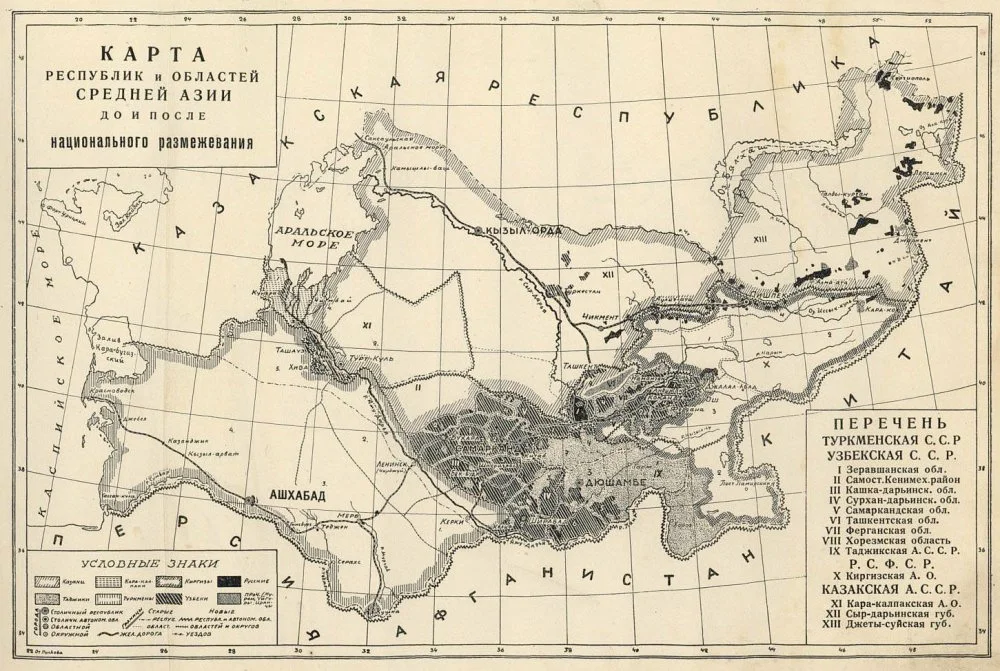
Map of the republics and regions of Central Asia before and after the national-territorial delimitation. 1928 / K. Ramzin. Revolution in Central Asia. Moscow: SAKU Publishing House, 1928
Drawing a line on a map is quite different from locating a line along a valley or across a field, and where such a line divided one legal jurisdiction from another, even within the larger territory of the USSR, the nomads’ tendency to wander created huge tension. Herds did not recognize republican boundaries, nor did seasonal migrations obey the decrees of distant committees. And so, as the years passed, Kazakh nomads were increasingly discouraged from migrating habitually across the border with Turkmenistan, with the Russian Federative Republic, with Kyrgyzstan, with Uzbekistan.
Where conflict emerged over resources with other peoples outside of their territory, Kazakhs also found themselves on the wrong side of the law. Pasturage which had long been accessible to nomadic communities might now be deemed ‘Kyrgyz’ or ‘Uzbek’, and subject to decisions over access and development made in Pishpeki renamed Frunze in 1926 or Tashkent respectively. Within the Kazakh Republic itself, moreover, Kazakh administrators increasingly prioritized sedentary farming over nomadic pasturage for the greater good of the Kazakh (national) economy. In other words, nomads increasingly suffered because the needs of their lifestyle were deemed incompatible with the needs of their nation.
Against Pastoralism: The Triumph of the Sedentary Ideal
The second faultline in the relationship between state administrators and the nomads, therefore, was the demands of socialist development. No matter how concerned they were about nomads and nomadic interests, it was very hard to find a Communist Party operative in the 1920s who did not believe that nomadism was fundamentally unproductive and inefficient. As such, in their view, it compared poorly to established farmsteads, collective agriculture, and industrial growth. Despite all the early years of experimentation and accommodation, a consensus was steadily emerging in the Community Party that nomadism was simply incompatible with progress. And the steppe, with all its ancient rhythms, would have to yield.
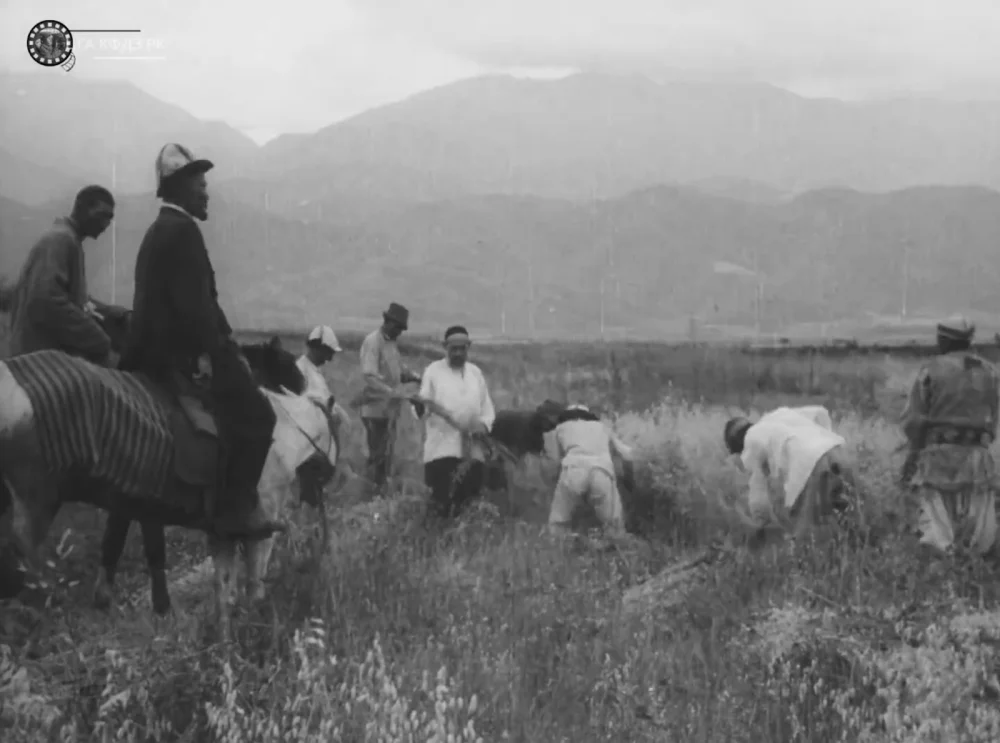
Harvesting crops in a field. Kazakhstan, 1927. Still from the Soviet newsreel Soviet Kazakhstan / Central State Archive of Film, Photo Documents and Sound Recordings of the Republic of Kazakhstan
The state’s preference for sedentary farmers increasingly revealed itself as the 1920s wore on; nomads were offered resources or preferential tax policies to encourage them to settle, land was demarcated for farmsteads, resources were ringfenced for non-nomadic use. Gradually, the nomads who migrated through cultivated land were accommodated less and less and punished more and more. But the advent of Stalin’s first Five Year Plan in 1928 coincided with the arrival of Filipp Goloshchekin as First Secretary of the Kazakh Communist Party branch, a step change in the state’s attitude towards nomadic practice.
Goloshchekin initiated a ‘Little October’, arguing that the revolution had not penetrated the Kazakh countryside and a firmer hand was needed. Within just five years, the consequences were catastrophic. Confiscation and collectivization had swept across the steppe, triggering a mass famine and causing millions of fatalities among the Kazakhs. Nomadic herds, the very foundation of pastoral life, were seized in staggering numbers. Stripped of their livestock and their mobility, the nomads were left utterly vulnerable as they were unable to feed themselves, were unable to migrate, and had nowhere to turn.
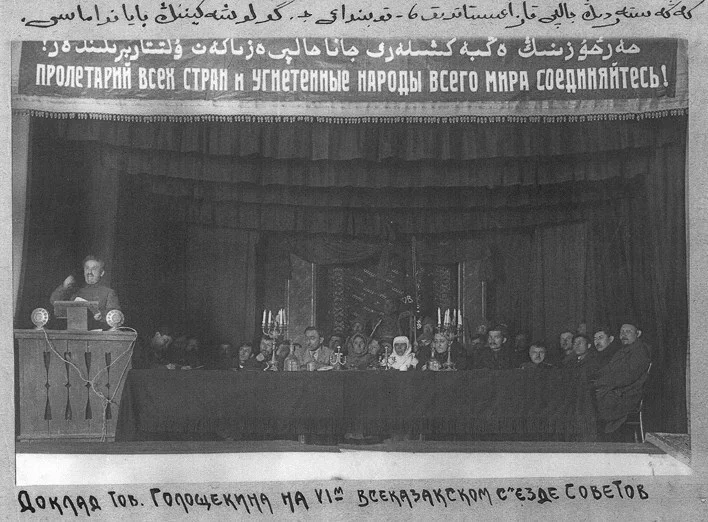
Filipp Goloshchyokin speaking at the Sixth All-Kazakh Congress of Soviets. 28 March–3 April 1927 / Central State Archive of Film, Photo Documents and Sound Recordings of the Republic of Kazakhstan
The tragedy of the Kazakh collectivization famine has rightly received greater attention since the collapse of the Soviet Union in 1991, and a pre-Soviet nomadic heritage is now celebrated in the independent Central Asian republics. But the Bolsheviks’ approach to nomadic peoples in the 1920s reveals a more complex picture than steadily rising repressive measures. Rather, the intersection of post-revolutionary change, national territorialization, ambitious economic targets, and rapid state-building connects the twentieth-century Kazakh experience to that of many other modern postcolonial states and the many millions of their people who practiced mobile pastoralism.
