
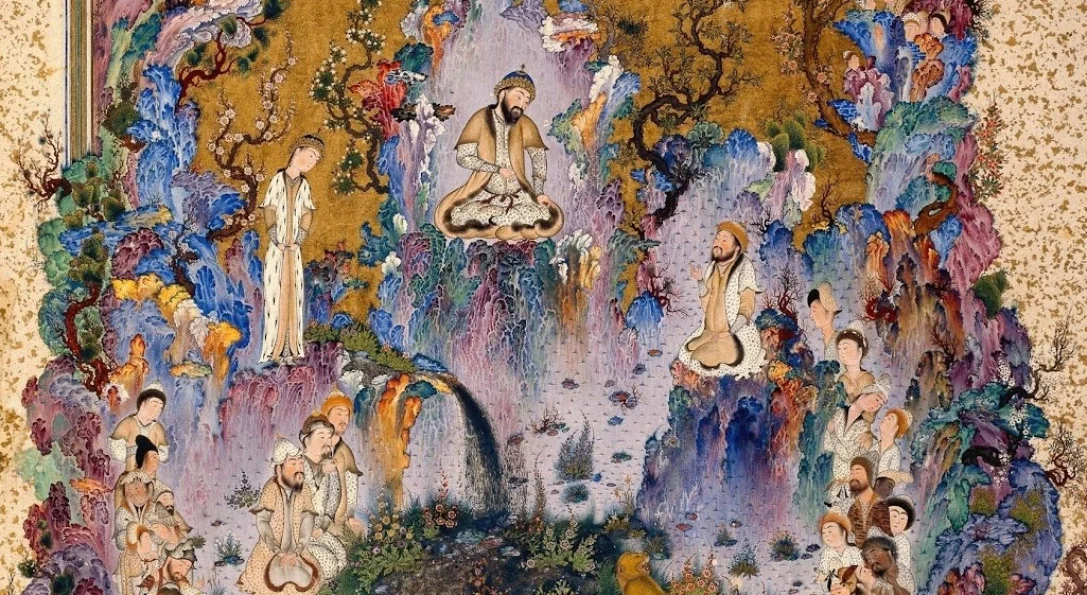
Every spring, millions of people across the Turkic world — in Azerbaijan, Kazakhstan, Kyrgyzstan, Turkmenistan, and Uzbekistan — celebrate Nowruz, a holiday that has truly become their own. Yet the word Nowruz, meaning “New Day,” is Persian. This apparent contradiction points to one of the most important—and often overlooked—stories in Eurasian history: the thousand-year partnership between Turkic and Iranian civilizations. The Silk Road depended on it. The greatest works of Persian literature were patronized by Turkic rulers. Three of the most powerful Muslim empires of the early modern world—the Ottomans, the Safavids, and the Mughals—were founded by Turkic dynasties, yet they promoted Persian as the language of power and culture.
Qalam spoke with Richard Foltz, one of the world’s leading historians of Iranian civilization, to find out how it all began.
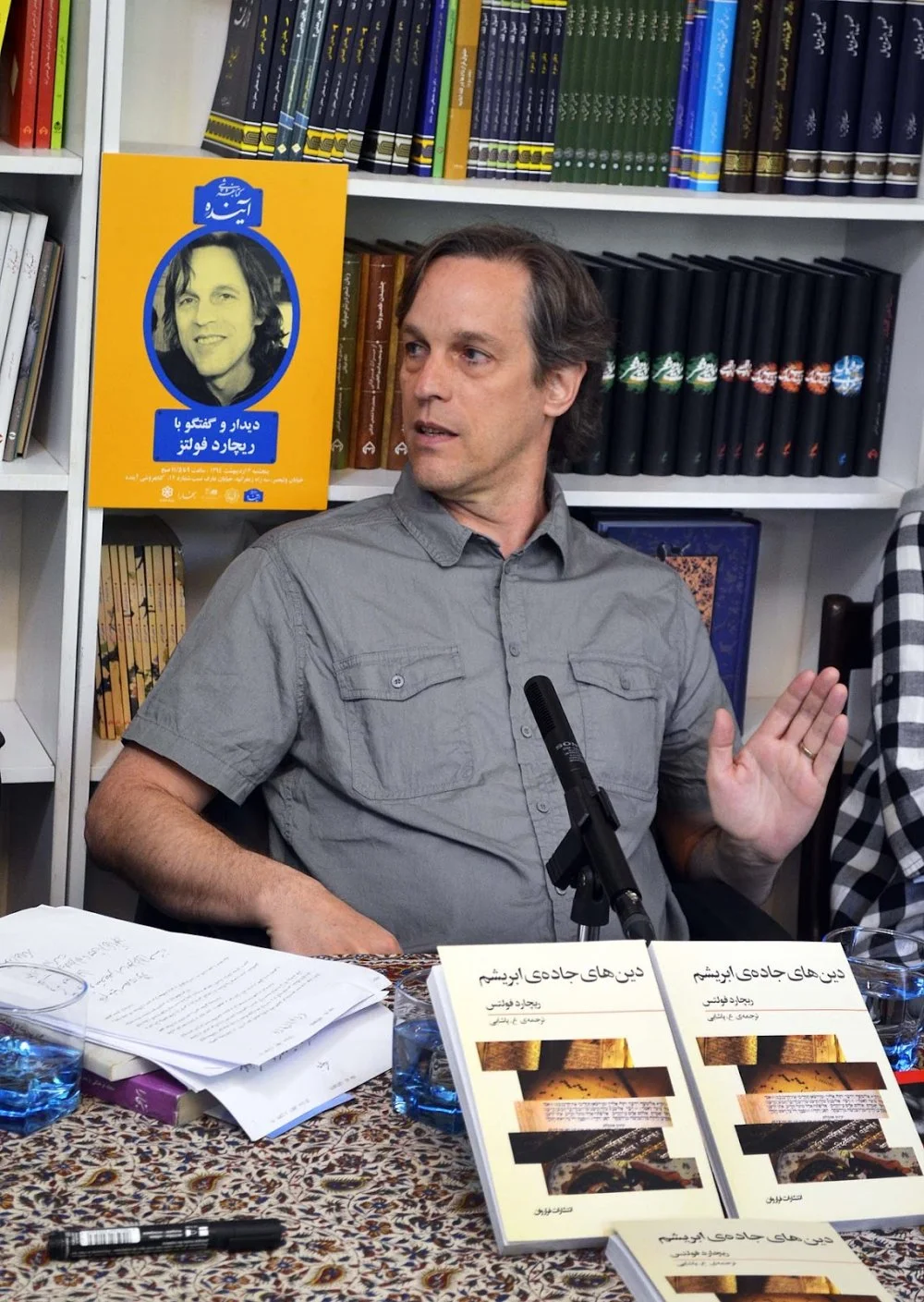
Richard Foltz, 2015 / Wikimedia Commons
We often hear that Turkic and Iranian elites became deeply intertwined — that Safavid rulers had Turkic roots, that the Ashina clan may have had Iranian connections. How did this symbiosis actually begin?
You have to go back about 2,500 years to find the real origins of it. People often characterize the Turkic-Iranian relationship as rivalry or conflict, but throughout most of history, it has actually been something much more symbiotic, mutually beneficial, and mutually dependent relationship between peoples that we can call Iranic and peoples that we can call Turkic. What I want to stress from the outset is that ethnic labels like "Turkic" or "Iranian" are extremely misleading. Very often, they rest first on language — and language has a very loose relationship to genetics, and often a loose connection to culture too. This has caused enormous problems, especially in the last two centuries with the rise of nation-state ideology, which I consider a genuinely damaging framework that fits very poorly with the historical record.
Steppe peoples throughout history were tribal, but tribes were never genetically or ethnically pure. They were open to confederations with people of different backgrounds and different languages. The moment you start talking about "strictly Turkic peoples" versus "strictly Iranian peoples," you have already stepped outside of accurate history.
At what point do we see this become a structured, practical relationship rather than just demographic mixing?
By around 1,500 years ago, the picture becomes very clear. The Sogdians — speakers of an East Iranian language, the traders and city-builders of Samarkand, Bukhara, Paykend, Panjakent — were not military people. They didn't even really have a state. What they had was a bunch of city-states. So how were they defending themselves? Well, they weren't. They were being defended by Turkic nomadic tribes. The Turkic nomads were receiving all kinds of luxury items and goods from the settled peoples; in return, they were protecting the oases. It was a symbiotic relationship. They were mutually dependent.
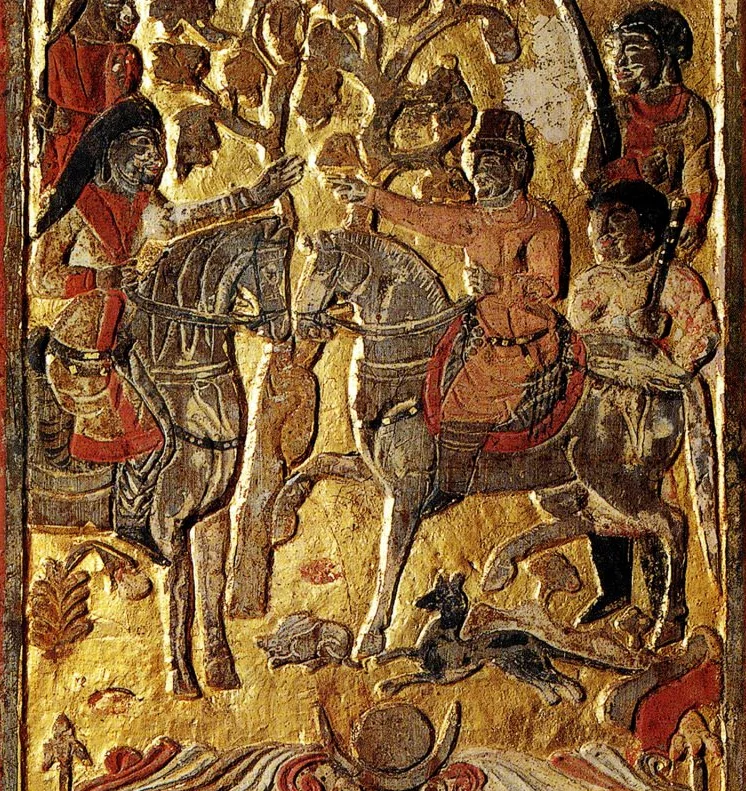
An Jia, a Sogdian official of Bukharan origin, welcomes a Turk. Mural from the Tomb of An Jia, 579 CE. Shaanxi Provincial Institute of Archaeology, Xi’an / Wikimedia Commons
To some extent you see something similar in China as well — but I would characterize the situation there as more often one of animosity. The Chinese were always worried about steppe nomads coming to raid them, and they would have to buy them off with silk, give them princesses, things like that. Although there was a certain symbiosis in China too, and there were numerous cases of nomadic tribes settling there and becoming the new ruling elites. But in Central Asia, this partnership was simply the norm.
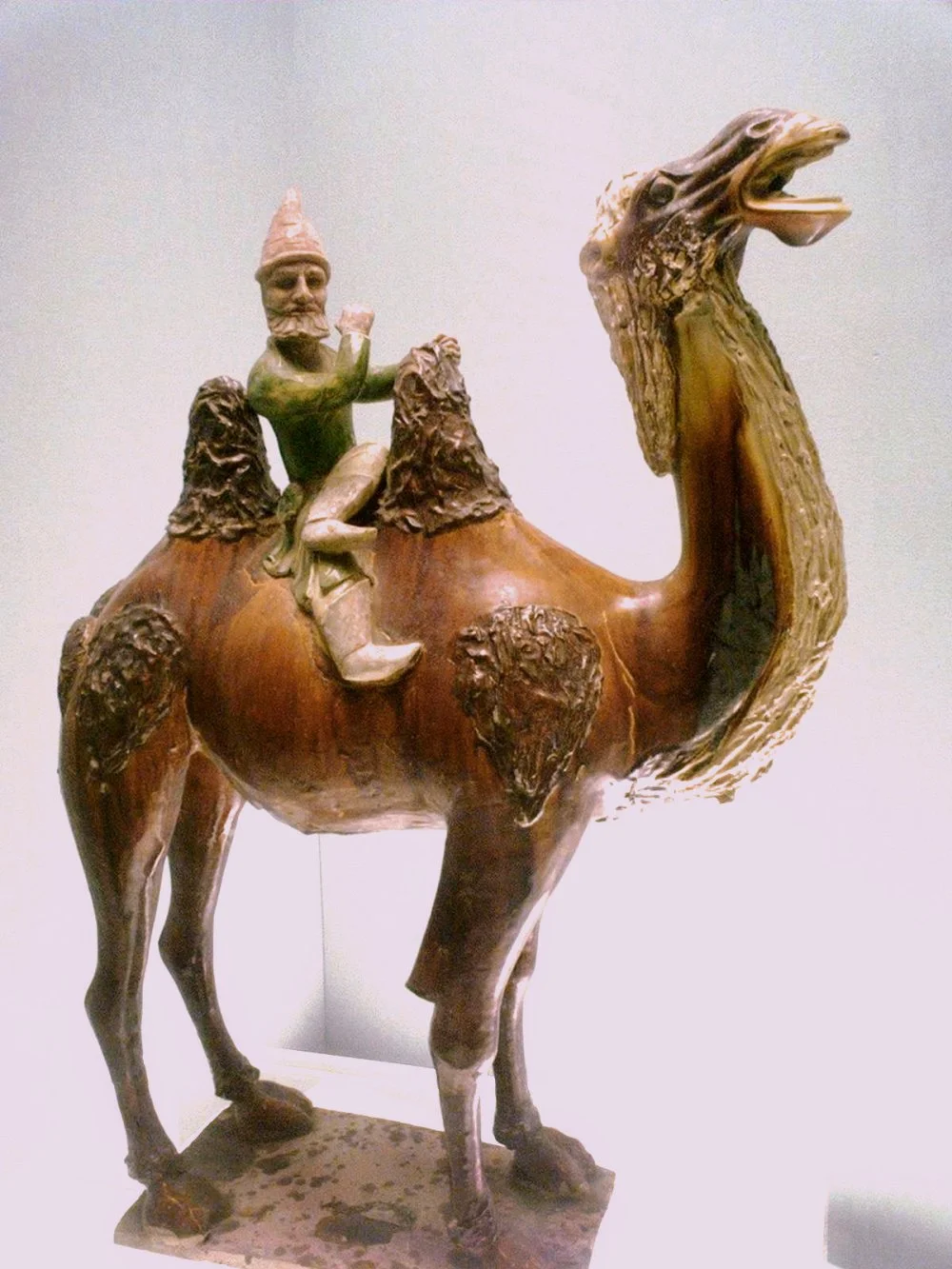
Sogdian on a camel. China, Tang dynasty, 618–907. Shanghai Museum / Wikimedia Commons
Chinese sources capture it well. They say, essentially: the Turks we can deal with — but they have all these sneaky Sogdians advising them, and those are the ones we have to worry about. The Turks and the Sogdians were working together, and the Silk Road was operating thanks to the Sogdian business know-how coupled with the Turks' protection.
How did Turkic rulers end up becoming the greatest patrons of Persian culture?
There is a cycle that repeats itself throughout history. Nomadic peoples conquer settled regions, become the new elites, and in doing so lose their steppe roots. To legitimize themselves in the eyes of urban populations, they adopt the language, customs, food, music, literature, and court ceremonies of the people they now govern. That earns them the scorn of other steppe nomads, who say they've gone soft. Then another nomadic wave arrives and the cycle begins again.
The Safavids are simply an early modern example of this. Their family was probably originally Kurdish, going back to the thirteenth century — a line of Sufi masters whose disciples were Turkmen nomads in eastern Anatolia. The Safavids were tolerant of the folk religion these people already had, which included ancient steppe traditions that had little to do with Islam. Over time they became thoroughly Turkicized, because their entire community was Turkic. By the time of Shah Ismail, his poetry was in Turkish. And yet the Safavids promoted Persian culture — as did the Ottomans, as did the Mughals. The three great empires of that era were all ethnically Turkic dynasties promoting Persian culture. That is the clearest expression of the symbiosis.

Cristofano dell’Altissimo. Portrait of Shah Ismail I. c. 1552–1568. Uffizi Gallery, Florence / Wikimedia Commons
Бірақ тарихтың тамыры тым тереңде жататыны бар. Парсы әдебиетінің ең ұлы туындысы, ирандық болмыстың ең жоғарғы көрінісі саналатын «Шахнаме» дастанын түркі билеушісі Махмұд Ғазнауи тапсырыспен жаздырған. Ал соңғы шынайы ирандық әулет саналатын Саманидтердің әскері іс жүзінде толықтай түркілерден тұрған. Жылдар жылжығанда бұл жауынгерлер «егер біз өзіміз де билеуші бола алатын болсақ, неге өзге біреуге қызмет етуіміз керек» деген ойға келеді. Осылайша, Мысырда, Хорезмде, Үндістанда мәмлүк әулеттері пайда болды. Бұлар негізінен түркі текті бұрынғы құл-жауынгерлер еді, бірақ билікке келген соң да парсы дәстүрімен басқаруды жалғастырды. Селжұқтар кезеңінен бастап парсы тілі мемлекеттік басқарудың негізгі тілі болып қала берді. Тіпті моңғолдар да осы үлгіні ұстанды: Тебризге орныққан Илхандар біртіндеп иранданып шыға келді. Айта кетерлігі, Шыңғыс хан заманынан бастап моңғол әскерінің басым бөлігін іс жүзінде түркілер толықтырған еді.
Түркі халықтары арасында ирандық діндер — зороастризм мен манихейлік қаншалықты кең таралған еді?
Манихейлік дін туралы ерекше жағдайды ғана айтуға болады. Бұл дін түркі әулеті билік еткен 9-ғасырдағы Қытай аумағындағы Ұйғыр қағанаты кезінде ғана мемлекеттік деңгейдегі ресми дінге айналды. Бұл соғдылардың ықпалымен жүзеге асты. Манихейлік дінді ұстанған соғды миссионерлері әрі көпестер ұйғыр сарайын осы наныммен таныстырады. Мұның астарында діни таңдаумен қатар, саяси есеп те жатыр еді.
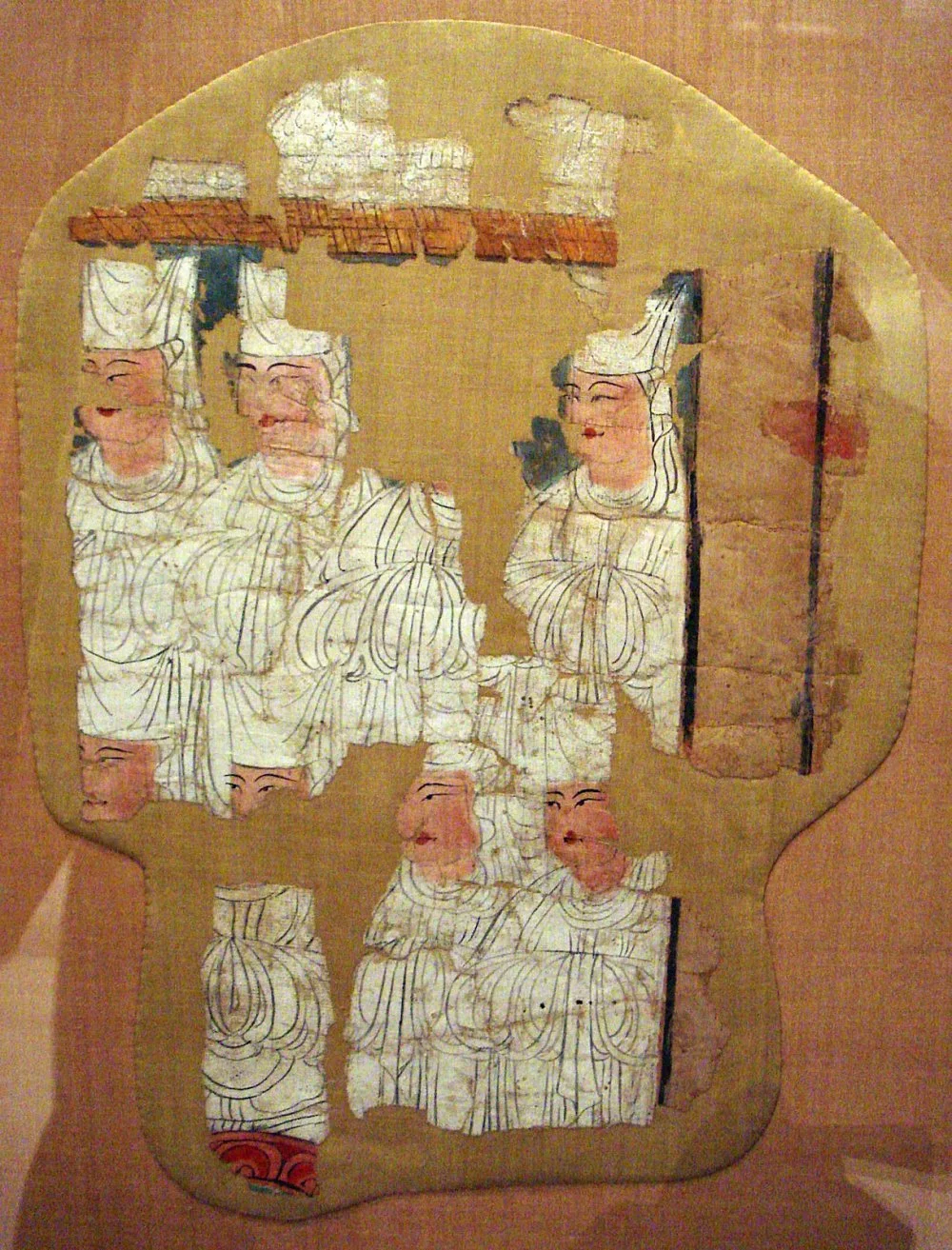
“The Elect” — Manichaean priests. Painting from Gaochang, 10th century. Museum of Asian Art, Berlin / Getty Images
As for Zoroastrianism — I once visited a friend in Bishkek, and his wife, a Kyrgyz woman, mentioned that Kyrgyz has an old saying: good thoughts, good words, good deeds. I was astonished. That's the sort of Zoroastrian motto. I have never found a good explanation for how it got there.
More about
Sogdians on the Silk Road
Merchants, Missionaries, and the Spread of Religions across Eurasia
Nowruz is still celebrated across the Turkic world — including in Kazakhstan. Did Turkic rulers historically play a role in adopting and spreading these traditions? Is there any evidence of them formally recognizing or institutionalizing celebrations like this?
When I lived in Uzbekistan, my students would insist: this is our Uzbek national holiday. I would ask them — what does "Nowruz" mean in Uzbek? Nobody could answer. In Persian it means "new day." If it were truly an Uzbek holiday, why is it not called "Yangi Kun"? But I would add: I don't think Nowruz was originally a Persian holiday either. I believe the Persians adopted it from Mesopotamia — from the Babylonian spring festival — when the Achaemenid Empire brought them into contact with that agricultural civilization. Nowruz is fundamentally a planting festival, and nomads don't plant. It comes from settled, agricultural societies. It was adopted by the Persians as they settled, and then it radiated outward. That it is celebrated from Anatolia to Xinjiang today says everything about the reach of that cultural influence.
