
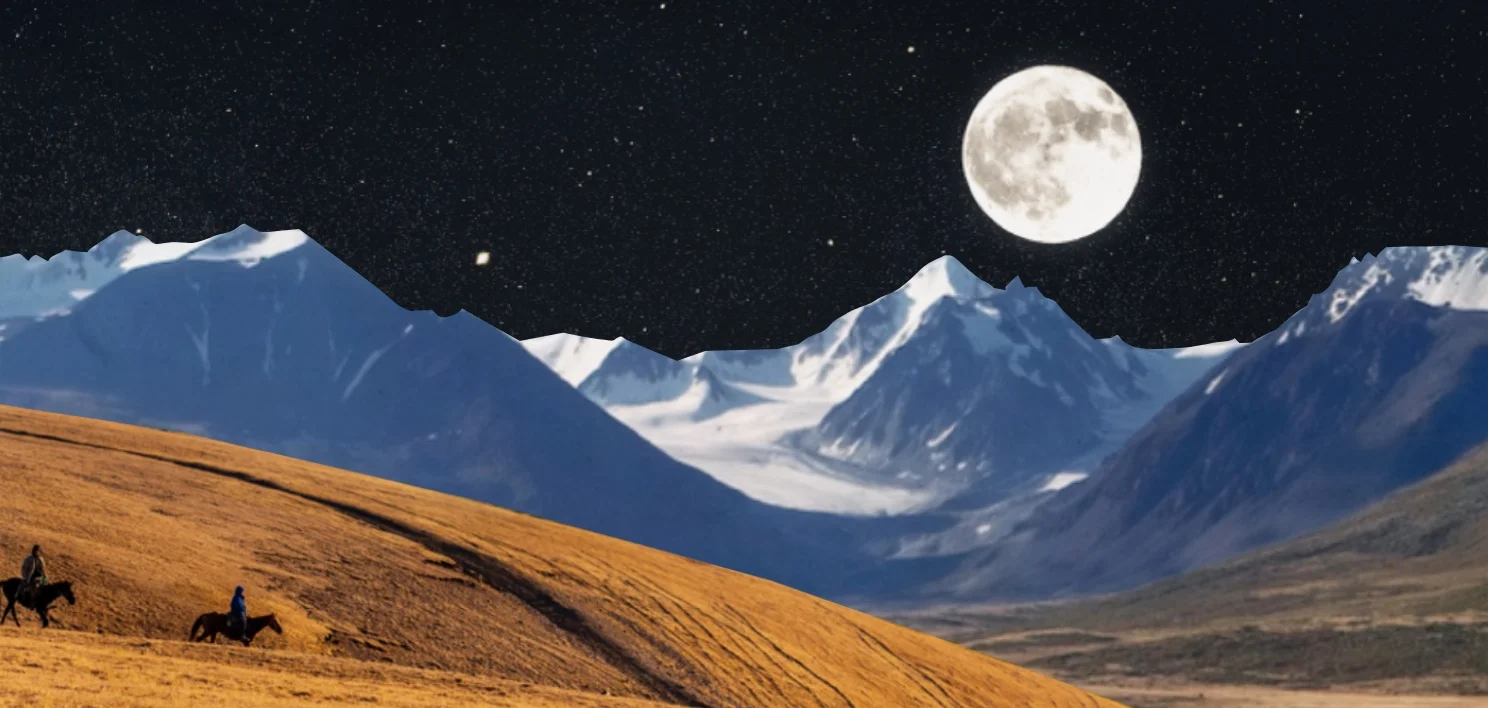
For centuries, life on the steppe depended on the ability to read the land and the sky, from which emerged a remarkable skill: the ability to predict weather changes and the shifting of the seasons, all without using any sophisticated instruments or modern methods. How did nomads, bound to nature by their everyday lives, develop this knowledge? How did it help them survive the harsh conditions of the steppe, allowing them to prepare in advance for every challenge nature might bring? What was the secret behind this ancient wisdom passed down from generation to generation? In this article for Qalam, ethnographer Akedil Toyshanuly presents an in-depth look at the unique aspects of the traditional Kazakh calendar and the deep knowledge of the environment it preserved.
Science Clothed in Folklore
The traditional Kazakh understanding of the structure of the universe, like the calendar built upon it, is a true treasury of folk knowledge. Over centuries, it absorbed the careful observations of countless generations that observed nature, the skies, the surrounding world, and the movements of celestial bodies. At the heart of the traditional calendar lie the changing seasons, the rhythm of day and night, the phases of the moon, and its alignment with the Pleiadesi The Pleiades are a famous star cluster, also known as the Seven Sisters, and hold deep cultural significance across many ancient traditions.. Alongside this, the calendar also incorporates centuries of records on weather patterns, animal behavior, and plant growth, turning lived experience into a practical system for survival on the steppe.
To preserve this knowledge—and to quite literally ‘imprint’ it in the memory of future generations—steppe chroniclers and calendar keepers, known in Kazakh as esepşi, connected sudden weather changes, called amal in Kazakh, to the actions of mythological figures. By giving natural forces human traits and dramatic stories, they turned complex patterns into images that stayed in the memory. In this way, careful observation gradually became folklore, and the precise knowledge of climatic cycles and celestial events was transformed into myths, legends, proverbs, and sayings that could be easily passed down from one generation to the next.

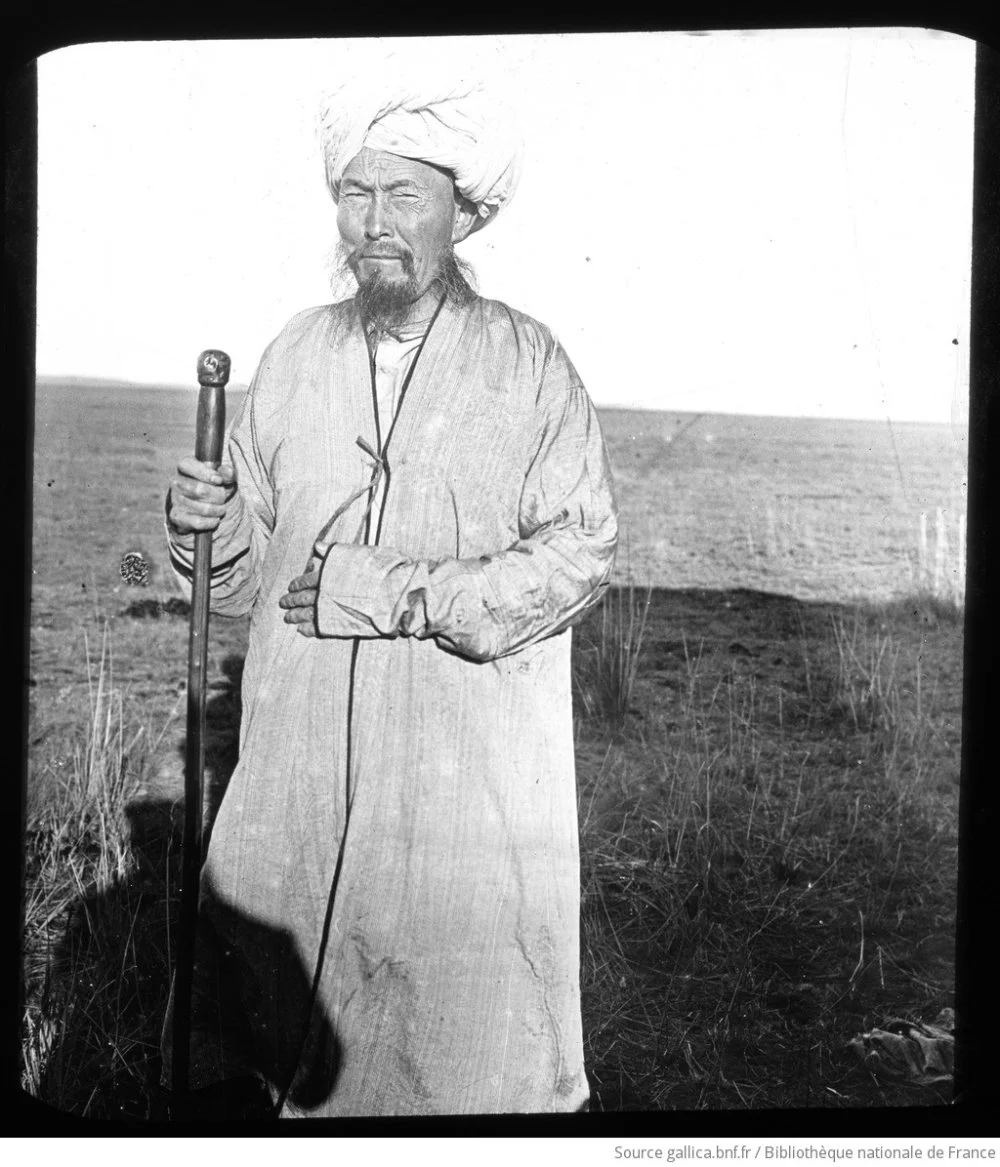
The esepşi—meaning ‘the one who calculates’ in Kazakh—was the keeper of a body of essential knowledge. An esepşi, usually a man, could forecast the changes in the weather in advance and advise people on how to skillfully plan their work and migrations—guidance that was vital to managing life on the steppe. As the saying goes: Esepşiniñ esebi kisesinde, esepsizdiñ esebi tizisinde, meaning ‘An esepşi keeps his calculations in his pouch, while the ignorant keeps them on his knees.’ This reflects the fact that the esepşi constantly observed the toğys, or the cycles of celestial conjunctions, and shifts in the weather, carefully recording them in a special notebook he always carried with him and consulted regularly. Ordinary elders, by contrast, as the proverb suggests, could predict a blizzard or snowfall only when their knees began to ache, and their joints throbbed.
Other popular sayings included, ‘If your soul carries few sins, take up the counting of days,’ and ‘The esepşi wards off jutsiA jut was a harsh winter that led to mass livestock deaths because there was no pasture to be found., while a ‘shoulder-blade forecaster’, that is, an unskilled or reckless forecaster is an enemy’, attributing spiritual purity and wisdom to this craft. These sayings also served as a warning—the burden of weather forecasting was a heavy one, and even a single error could bring grave consequences.
Kazakh Systems of Timekeeping
Since time immemorial, the Kazakhs have used several different systems and models of chronology simultaneously. At their disposal were both the shamsi (solar) and qamari (lunar) calendars, based on the movements of the respective celestial bodies. In addition, various systems of timekeeping were employed at different periods, including the Rumi calendariThe Rumi calendar was the Ottoman Empire's official fiscal calendar, a modified Julian system used for taxation and administration from 1677 to the early twentieth century., the Hijri calendariThe Hijri calendar is the Islamic lunar calendar used to determine religious dates, with a year about eleven days shorter than the solar Gregorian calendar., the zodiacal system of constellations, and the practical, or economic, reckoning of months known as counting by amals.
Steppe esepşi conducted their calculations in both the old style (Julian calendar) and the new style (Gregorian calendar), accounting for the thirteen-day difference between the two. At the same time, different regions maintained their own distinctive traditions of timekeeping, which were adapted to local conditions. These included, for example, the Būqar count, the Baibaqty Qazybek count (associated with a local tribal lineage), the reverse count of Keldembek (calculating dates backward from key markers), and others.
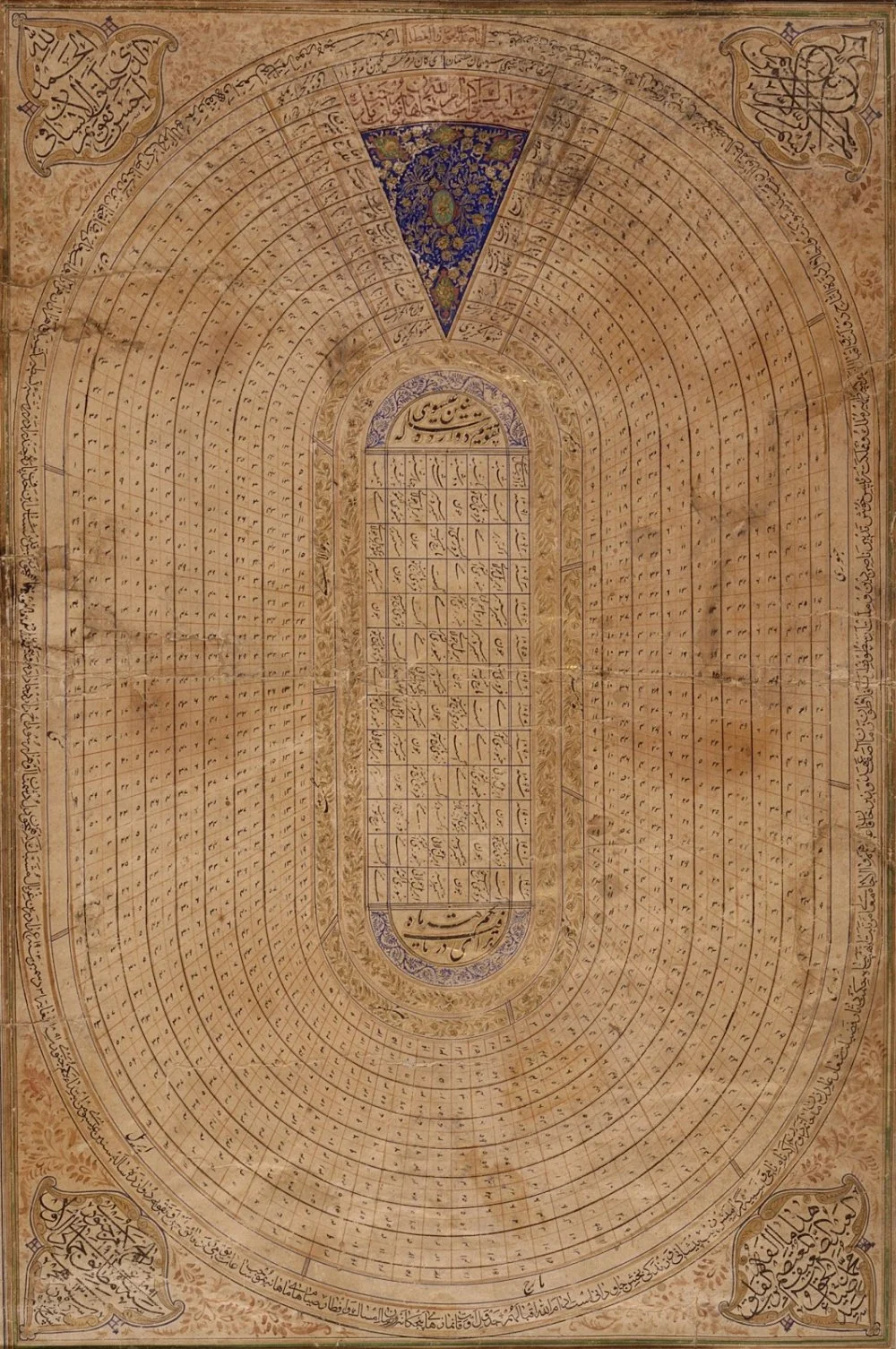
As a result, in the Kazakh system of chronology, the names of the months and their sequence were often described differently. Thus, when comparing the works of Shoqan Walikhanov, Vasily RadloviVasily Radlov was a German-Russian linguist and ethnographer known for his systematic study of Turkic languages and folklore., Aleksey LevshiniAleksey Levshin was a Russian official and ethnographer who authored the first major European ethnographic study of Kazakh nomadic life., and Kurbangali KhalidiiKurbangali Khalidi was a Tatar historian and scholar., one can observe apparent discrepancies in the names of months. Similar divergences are also found in economic calendars published in 1923 and 1930 [1].
Such differences depended on which particular system or model a given esepşi employed. Some combined zodiac signs with the economic calendar, while others used Arabic month names alongside the system of celestial conjunctions. This led to certain overlaps and hybrid forms. However, this was not a shortcoming—on the contrary, such variability underscored the complexity and richness of the Kazakh system of timekeeping, revealing its depth and multilayered character.
In the Great Steppe, many calendar systems coexisted in parallel, and one such model was widespread among the Kazakhs of Eastern Kazakhstan, as well as in the territories of China and Mongolia [2; 3].
Counting by Amal, or the Economic Calendar
One of the clearest examples of how the rich and multifaceted nature of the Kazakh calendar is the system known as counting by amals [4]. Annual weather cycles that occurred at specific times and which could pose danger to people or livestock were called amals by the esepşi [15]. These were not abstract dates, but well-known seasonal turning points, such as times of frost, storms, or sharp temperature shifts. In this sense, it was precisely this calendar—designed to identify seasonal risks and make it possible to take precautionary measures in advance—that constituted the system of counting by amals.
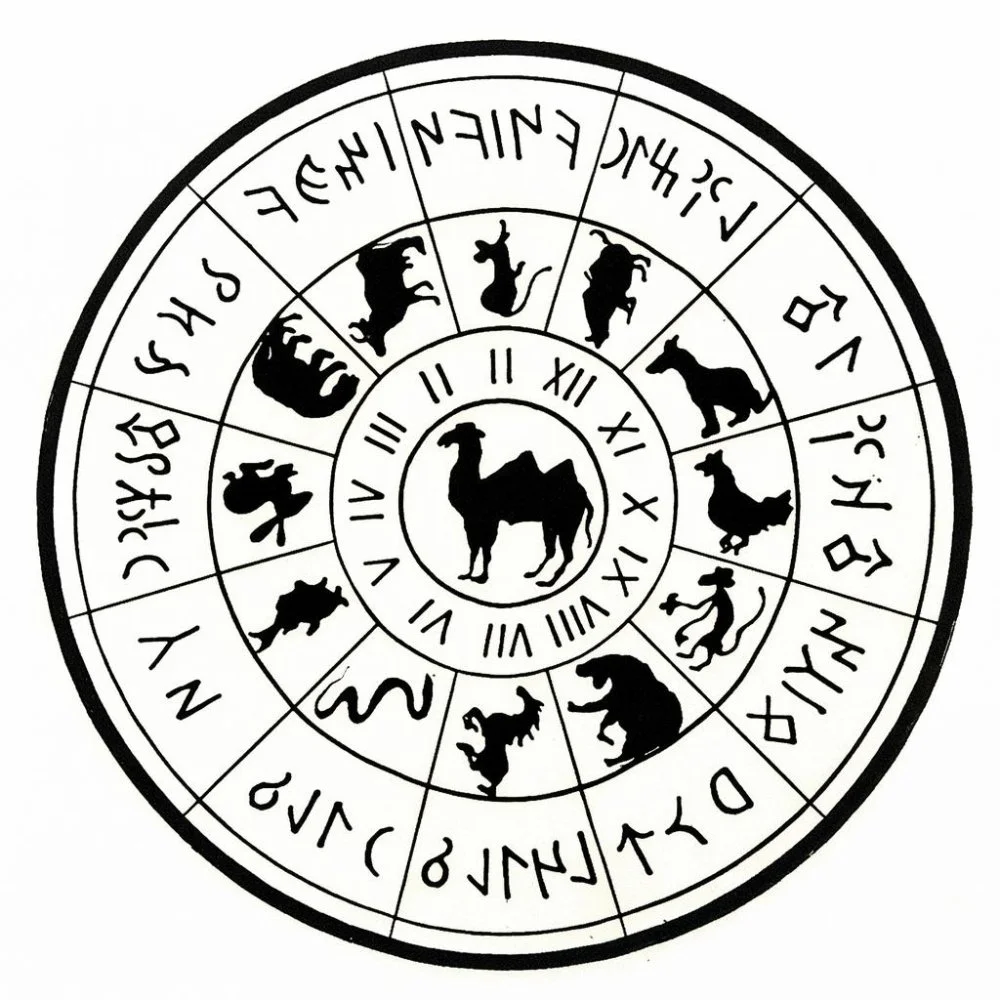
Within this system, close attention was paid to phenomena such as the conjunction of the Pleiades with the moon, the phases of each month, the beginning and end of the winter and summer forty-day periods, as well as the change of quarters and seasons. All of this data was carefully studied and recorded, forming an ordered system of folk knowledge about nature.
Nurgeldi Ualiuly, the famous Kazakh historian and ethnographer, emphasized that this system was far from simple—it served as the foundation of the entire nomadic economy. He wrote:
…The esepşi calculated in advance when the next amal would arrive and how it would unfold. Relying on their forecasts, herders planned the entire annual cycle: the arrival of offspring, the migration from winter camps to spring pastures and then to the jailau [summer pastures], training mares to the tether, and releasing stallions into the herds. Based on these same calculations, they also set the timing for sheep shearing, the mating of rams, autumn shearing, moves to autumn camps, the return to wintering grounds, and the completion of the breeding season. [5]
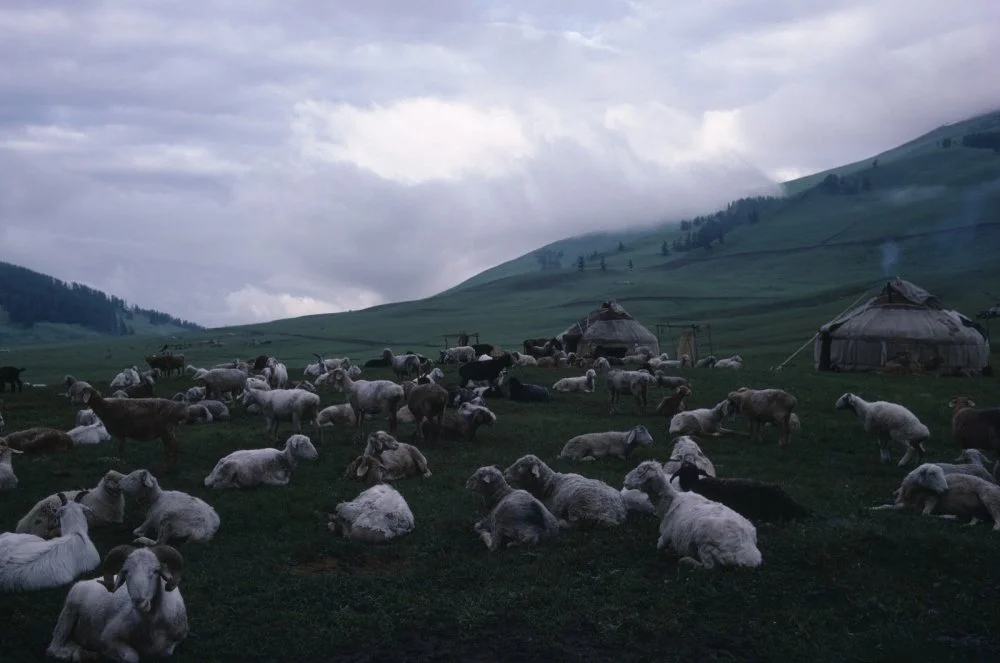
It is also worth noting that the names of months and the amal calendar varied significantly from region to region. For example, the system used by the eastern Kazakhs can be traced in the works of Mukhtar Auezov. In the novel The Path of Abai, the otamaly (one of the amals) period falls between 11–17 April according to the old style, which corresponds to 11–17 March in the modern calendar. The data provided by Khalidi and B. Qamalashuly also corroborates this calculation.
The Legacy of a Nomadic Civilization
A comprehensive comparison of the Kazakh system of chronology—its month names, natural cycles, and the myths, legends, proverbs, and songs associated with them—with the heritage of other Turkic peoples shows that nowhere else are the distinctive values of nomadic civilization expressed as vividly as among the Kazakhs. On this subject, the Russian ethnographer Boris Kuftin wrote as early as 1916:
The month names listed here are unique to the Kazakh people; they are not found among other Turkic peoples of Asia … These month names possess distinctive features—pan-Altai or pan-Turkic designations are practically absent. [6]
The month names used in Kazakhstan today, which were systematized in the works of academician Alkei Margulan, are often perceived by researchers from neighboring communities—including the Tatar, Bashkir, Uzbek, and Kyrgyz—as the names of months from an ‘ancient Turkic calendar’. The reason for this likely lies in the fact that, despite the mutual enrichment of the heritage of related peoples, nomadic consciousness in its most integrated and ‘pure’ form was preserved among the Kazakhs for a considerably longer period.
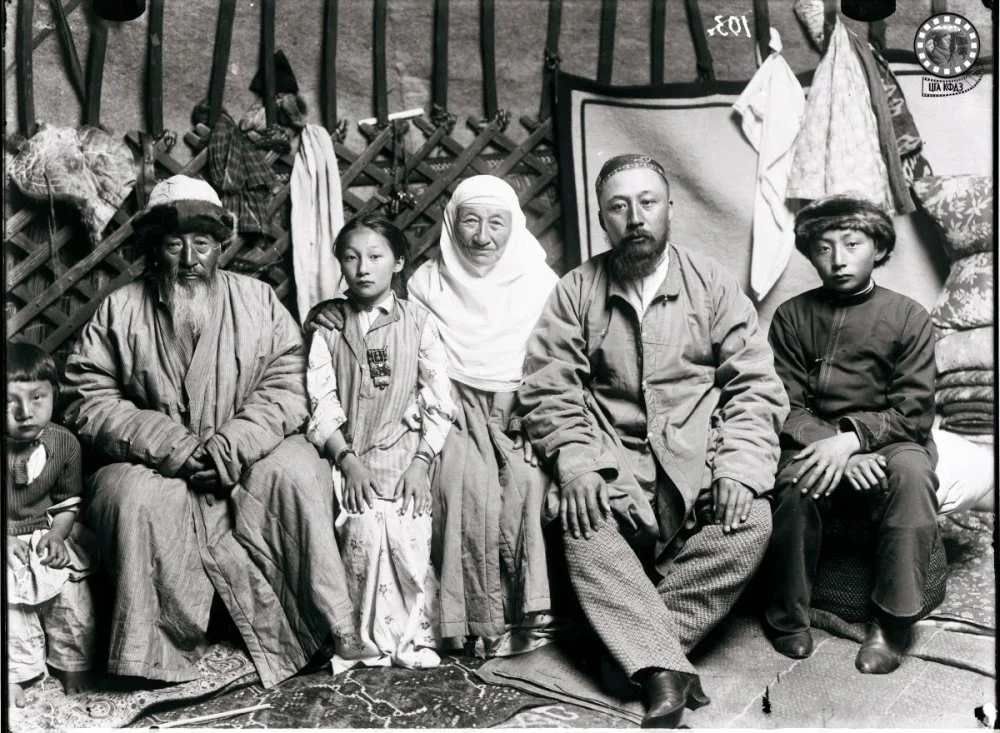
Although there is no complete uniformity in month names among the Turkic peoples, many shared features can be found in the descriptions of monthly natural cycles, the characters associated with them, as well as in songs, proverbs, and myths. In many respects, this similarity echoes the Kazakh tradition. At the same time, each individual case preserves its own distinctive characteristics.
For example, the inhabitants of Saryarqa—the steppe and lakes of northern Kazakhstan—associate natural cycles primarily with the behavior of animals and birds. Among them are tekebūrqyldaq (the rutting season of saiga antelopes), börі syrğaq (the wolf-driven ground blizzard), qūralaidın salqyny (the cool spell during the birth of saiga calves), būğynyň moyın juary (the time when deer wash their necks), qus qanaty (bird’s wing), and quljanyň auyz shaiqary (the time when the argali rinses its mouth). All of these are echoes of the way of life of ancient hunters.
The inhabitants of the Altai and Tarbagatai mountains, by contrast, more often relate amals to the livestock-breeding cycle. Each such period is linked to the tragic fate of certain mythological characters, around whom extended narrative plots are constructed. Another important nuance should be noted here. In these regions, the amals themselves are often referred to by the Arabic names of zodiac constellations.
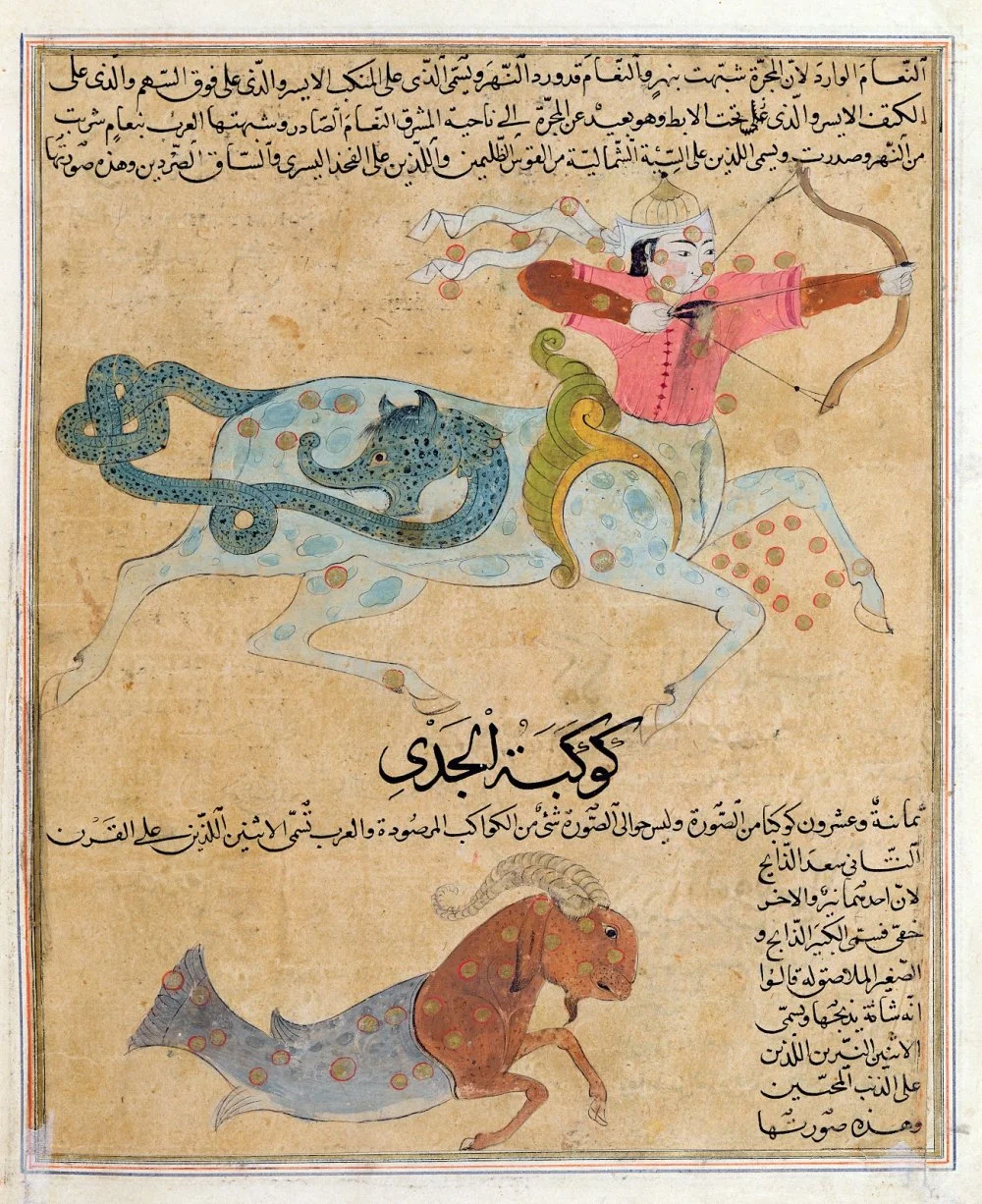
Thus, while in western and central regions of Kazakhstan, Arabic constellations are used as month names, among the eastern Kazakhs, the predominant usage is the names of heroes associated with the corresponding natural cycles.
Naturally, among the Kyrgyz and Uzbek peoples, the sequence of amals, as well as the timing of their onset and completion, differs somewhat due to the geographical characteristics of their regions. The names of the characters who personify these cycles also vary, though the songs and narratives about them are largely similar.
In popular understanding, amals are periods of unstable weather that recur year after year. During such days, herders must remain especially vigilant: any carelessness can lead to jut, or a mass death of livestock due to a lack of pasture. For this reason, the people endowed each amal with a vivid, defining characteristic, describing its features in a lively, figurative language.
There is no single consensus among researchers regarding the number of these cycles. some maintain that only eight amals occur over the course of a year, while others—particularly those who studied the way of life of the Kazakhs in China as well as the Kyrgyz—cite as many as twenty-four amals [7; 8]. Ethnographer B. Kamalashuly writes:
'Otamaly' falls between the 10th–15th of the month of kökek; 'Äz' between the 10th–15th of the month of mamır; 'Säwir' between the 20th–25th of the month of mamır; 'Saratan-Zawza' between the 10th–15th of the month of mawsım; 'Aqpan' – between the 10th–15th of the month of üştiñ ayı; 'Üt' between the 20th–25th of the month of üştiñ ayı; 'Kökirekşal' between the 10th–15th of the month of birdiñ ayı, and 'Nawrız' between the 20th–25th of the month of birdiñ ayı. The names of these months among some Kazakh tribes, as well as in modern Kazakhstan, correspond to the following: kökek is March, mamır is April, mawsım is May, üştiñ ayı is January, birdiñ ayı is February. With the onset of these periods, people always expect cold weather and take precautionary measures [9].
The Amals: The Spirits of the Frozen
Traditionally, the people described each amal in the guise of a mythological character, composing legends about it. In popular belief, these natural cycles are the shadows and spirits of people who once perished from the cold or were lost in blizzards. In myths, their souls are said to have become the amals themselves, embodied in frost, storms, and swirling snow. According to folk belief, they return each year at the same time, bringing harsh weather once again.
Each hero who arrives with an amal has a story of his own and even traditional oaths. Through such rhymed sayings, they seem to describe the fierce frost and icy breath of winter, sounding an ominous warning about an impending change in the weather and demonstrating their formidable power. These verses and jingles were passed down orally for centuries and, over time, became ingrained in everyday life and collective memory.
It is noteworthy that among the Kazakhs, Uzbeks, Bashkirs, and Kyrgyz, nearly a quarter of such fixed expressions coincide. At the same time, the Siberian Turkic peoples living in forest zones exhibit distinctive features shaped by local hunting and fishing traditions.
The Oath of Aqpan
One of the harshest natural cycles, arriving with a white blizzard when, as they say, you cannot even see the ears of your own horse, is Aqpan. It is the time of the fierce frosts and snowstorms of midwinter, falling between the tenth and fifteenth of January (the traditional month of üştiñ ayı). It's no wonder that people say: ‘January is the month of strengthiÜştiñ ayı—küştiñ ayı.
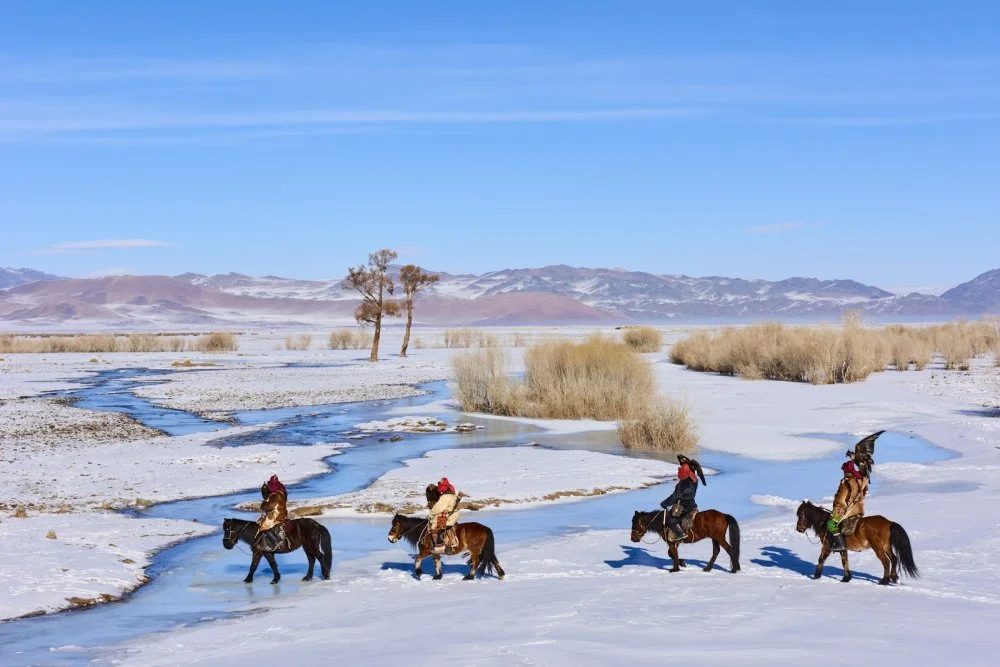
Uzbeks call this amal Akpan and Dakpan, and the Bashkirs call it Akpan and Tokpan. The Kyrgyz call it Kyrlach, or thethe faithful companion of the winter forty-day period (chillya). This name has roots in deep antiquity: among the Siberian Turks, Chuvash, and Tatars, related month names have been preserved to this day—Great Kyrlach and Lesser Kyrlach. In Turkic languages, the word ‘kyrlash’ means crackling frost, cold, or hoarfrost.
Interestingly, the Aqpan amal also has its own freezing oath:
He who is in a kebenek [cloak], I will hack to pieces,
He who is in a shekpen [coat], I will strike,
He who is in a tulup [white sheepskin coat], I will fear,
But what shall I do with an infant with red little fists?!
A kebenek is a special winter shepherd's garment, fully felted from dense wool. By declaring, ‘The one in a kebenek, I will hack to pieces/The one in a shekpen, I will strike,’ Aqpan seems to acknowledge its impotence only before the sheepskin coat or tulup openly admitting: ‘The one in a white tulup, I will fear.’
Usually, the white tulup (known as ‘aq ton’ in Kazakh) is an attribute of a nobleman, a baiiA bai was a wealthy landowner, livestock owner, trader, or moneylender. . He sits in his embroidered tulup, cinched with an expensive belt, and knows no hardship—just like in the well-known lines: ‘The son of a bai does not freeze, even if it snows: the house is warm, with felted walls all around.’
Those who wear a kebenek or shekpen, by contrast, are ordinary laborers, tending livestock and struggling daily against the harsh steppe frost. By threatening them with the words ‘I will hack to pieces’ and ‘I will strike’, Aqpan instills fear, as if promising: ‘I will destroy all your livestock.’ And when addressing the little one with red fists, carelessly playing in the snowdrifts, he seems to taunt: ‘What, shall I freeze you too?’
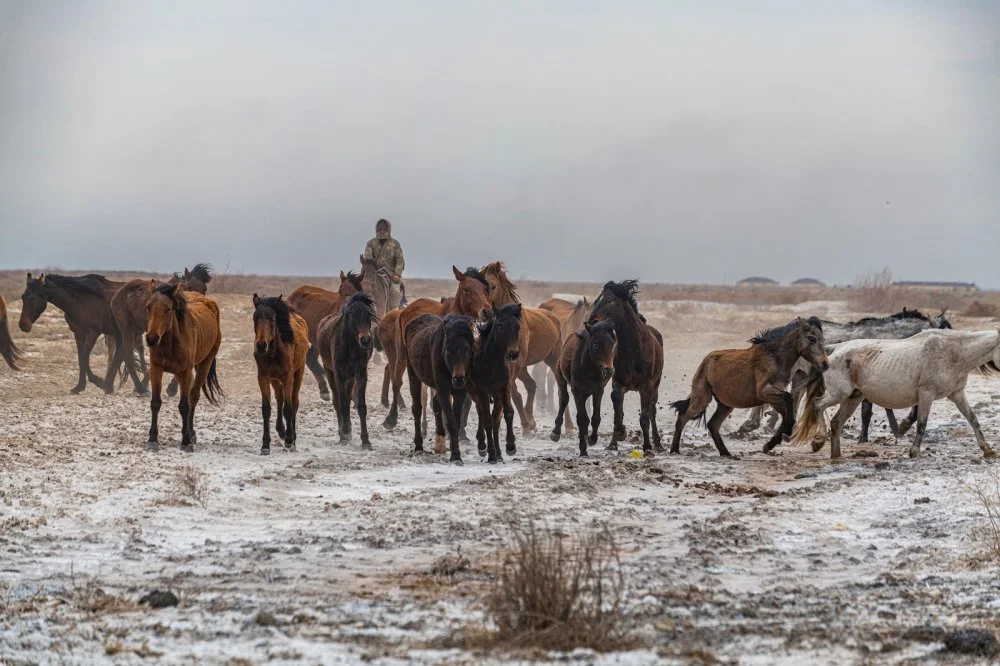
Folk songs have also survived about how ‘January passes its affairs to February (Aqpan)’:
In February, the blizzard sweeps for six days,
And if it howls, it lasts for seven days.
The cold grips the breath of a stately maiden. The young ewe’s fat tail and rump stiffen,
So rage, Aqpan, rage!
The word ‘qyrlañ’ (meaning ‘fierce’ in Kazakh) in this context is the name of the month, preserved among the Chuvash and Siberian Turkic peoples. However, among these peoples, the poems about the month Kyrlaç have not survived to the present day. Among the Kyrgyz, Kyrdaç is considered a companion of the winter forty-day period (chillya). The lord of winter, Chillya, gives cruel instructions to his faithful helper Kyrdach [10]. His monologue goes like this:
My dear Kyrdach, strike hard...
The livestock have remained fat,
Everything around has remained abundant,
The camel has kept its hump,
The sheep has kept its fleshy back,
The bull has remained defiant,
The camel has remained spirited,
The mare has kept her mane...
The winter Chillya (Shilde), wishing to exhaust those who have endured the cold, urges: ‘The girls’ breasts remain full, the young men’s strength remains, the young ewes still have fat tails’—as if calling to press down on them as well. Aqpan, whose frosts and blizzards make it impossible to lift one’s face, also has his own oath: ‘From the fat I will strip away their fat; from the lean I will wring out their last drop of sweat.’
Young men and women of nomadic communities worked alongside adults from dawn to late evening during winter. They displayed incredible resilience, tending to the livestock and literally ‘covering the snow by lying on the ice’. That is why Chillya commands that these adolescents—the faithful helpers of herders—be exhausted and thoroughly tested.
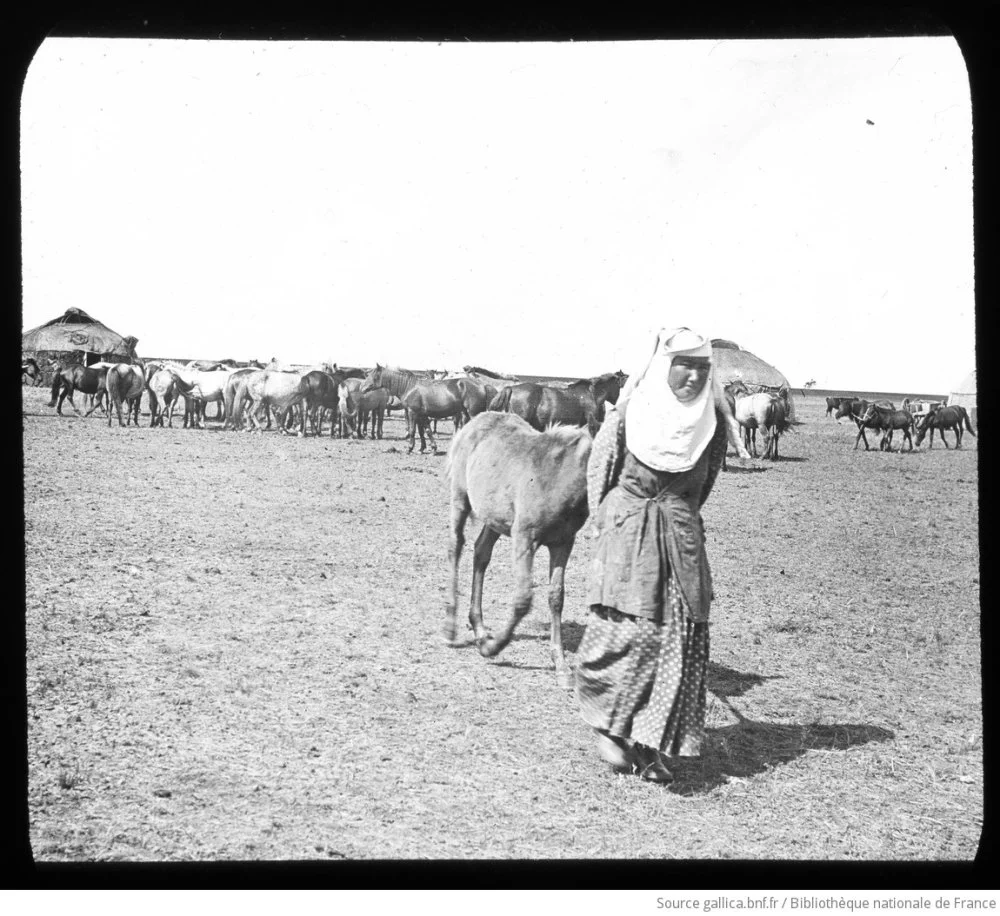
According to legend, among the Uzbeks, the ‘great Chillya’ gave the following charge to the ‘small’ Chillya:
The camel still has its hump, brother, take it,
The brave horseman still has his fire, brother, take it,
The girls still have their wrists, brother, take it [11].
Sometimes, the amal Aqpan is referred to by a paired name—Aqpan–Tokpan—which tradition interprets as ‘two brothers’. Indeed, the amals that occur in January, Aqpan and Dakpan, appear across the folk calendars of Kazakhs, Uzbeks, and Bashkirs. The Kyrgyz call them Chillya and Kyrdaç, while among the Uzbeks, Chillya is further divided into ‘great’ and ‘small’ periods. Even among the Turkic peoples of Siberia, the months are recognized as elder Kyrlaç and younger Kyrlaç, showing a shared cultural pattern of naming and dividing the early winter period across Turkic-speaking communities. [12].
The Altai Turks describe the moment of ‘handover’ from January to February with the phrase ‘Chagaan ay Kochkor ayga aydıp jatat’iThis means ‘The White month is driving/pushing toward the Ram month’. and provide their own version of this poem:
Month Kochkor, month Kochkor,
The barren mare still has fat,
The girls’ breasts remain,
Strengthen the frost, strengthen it! [13]
There exists an entire array of characters personifying the cyclical amals that recur year after year. These figures, preserved in oral folk art, were inseparably linked to economic and herding activities, which is what made the system of timekeeping remarkably enduring.
Amal and Hamal Are Not the Same
Many researchers have tended to interpret the word amal exclusively as the ‘tricks and cunning of the weather’ [9]. Moreover, the concept of the amal as an indicator of weather changes is often confused with the month Hamal. This is especially characteristic of the beliefs of western Kazakhs, reflected in the proverbial phrase: Amal keldi—zhyl keldi, meaning ‘The amal has come—the year has come’.
In fact, the general concept of amal has no connection to the month Hamal, which corresponds to the constellation Aries. The similarity in sound has led some to assume a connection, but this is a mistake. Among the Kyrgyz, for instance, the term amal was pronounced maal. As K. Yudakhin explains in his dictionary, ‘Maal’ (Arabic) — time, a moment’, showing that the word referred to a measure of time rather than to a calendar month, higlighting how superficial linguistic similarities can create misconceptions.
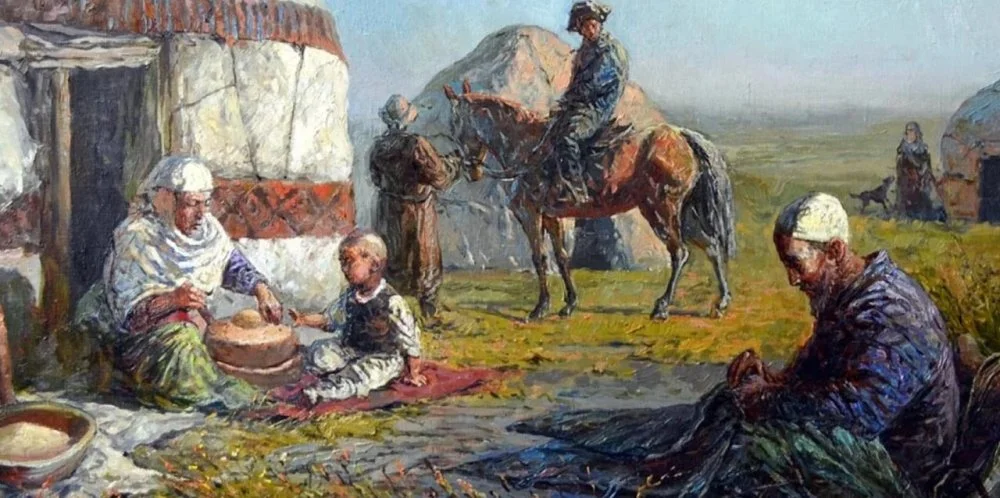
In a Kazakh epic, the expression säske mäl also appears, meaning a specific time. For instance, one finds lines such as: ‘I lived to eighty-three, having passed that time (mäl).’ Nurgeldi Ualiuly notes that in such expressions, the word mäl is used precisely to denote a particular ‘season’ or ‘moment’ [14].
In conclusion, the people of the steppe, relying on traditional forecasting methods, managed their households based on knowledge accumulated over centuries. This allowed them to skillfully organize all processes—from breeding livestock and raising young at the most favorable times to plowing the land, sowing, and harvesting crops. Everything—from choosing migration routes to preparing fodder—was carefully calculated. On long journeys, as well as in situations where it was easy to lose one’s way, they navigated flawlessly by the Moon and stars. These insights into nature and the invaluable experience accumulated over the centuries were carefully passed down from generation to generation, primarily through folklore.
