A Brief History of Women's Freedom

How the World Denied Women Their Rights — and What Came of It

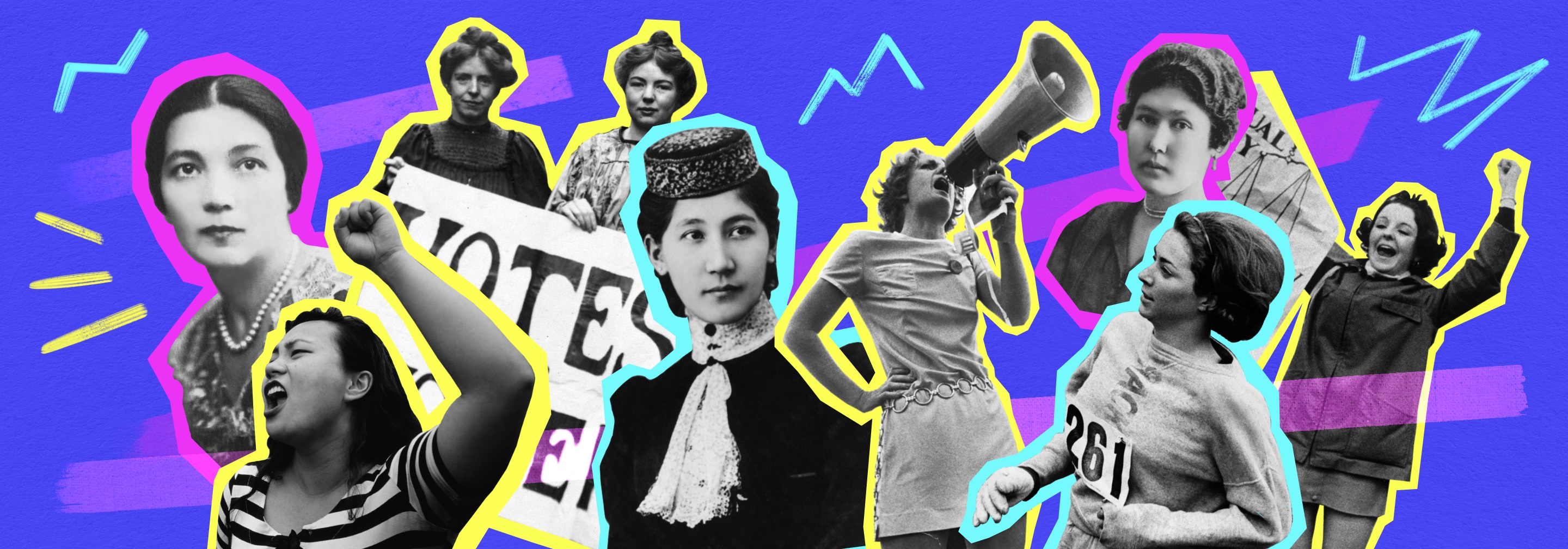
In popular imagination, the history of women's emancipation appears as a straight and almost triumphant path—from historic disenfranchisement to the gender equality of modern times. In reality, this story is more complex, more contradictory, and far less linear than most know or understand. Thousands of years ago, women could be rulers and warriors; centuries later, after achieving 'progress', they once again found themselves pushed into the shadows, stripped of their agency and voice. The history of women's rights is not a steady upward line—it is a series of zigzags, setbacks, compromises, top-down experiments, and individual acts of courage.

In Qalam's special project dedicated to women's rights, we explore what women's freedom looked like in different historical eras, how feminism evolved, where the myth of the 'oppressed women of the East' originated, and where we stand today in this ongoing struggle for equality. This brief timeline is a work in progress and will continue to expand with new stories and names, without which it would be impossible to grasp how women gained—and at times lost—the right to control their own lives.

The project is supported by the KAZ Minerals Group, one of Kazakhstan's leading companies and a strong proponent of gender balance.

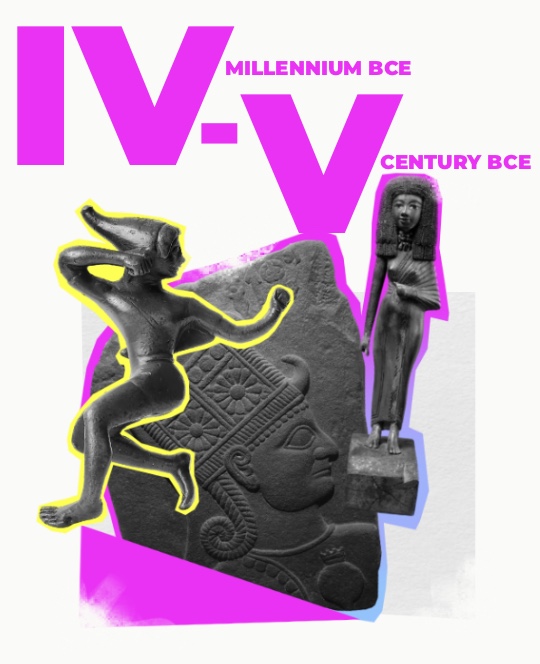
The 4th Millenium BCE to the 5th Century BCE

Freedom and Survival

Wikimedia Commons
Wikimedia Commons
«From that time on, Sauromatian women have preserved their ancient customs: together with their husbands, and even without them, they ride out on horseback to hunt, go on campaigns, and wear the same clothing as men.
...
As for their marriage customs, they are as follows: a girl does not marry until she has killed an enemy. Some die old women without ever marrying because they are unable to fulfill this custom.»

Herodotus,History, Book IV

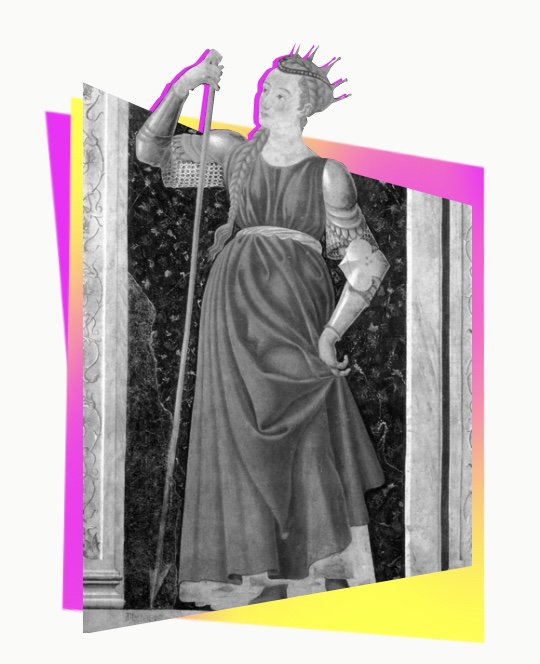
One of the most famous examples of the roles women could occupy in the nomadic societies of antiquity is Queen Tomyris, the ruler of the Massagetae, a powerful ancient Iranian nomadic confederation of Central Asia who were closely related to the Scythians and Saka. Classical sources, including Herodotus, report that she personally led her army against the Persian king Cyrus the Great. While the account may be partly mythologized, the mere fact of her presence in the political imagination of antiquity is significant: it demonstrates that a woman could be envisioned as a legitimate wielder of power, a notion that remained uncommon throughout much of subsequent history.

Beginning in the Bronze Age, in most civilizations, women's legal identity became closely embedded within systems of male control and authority through family, inheritance, and marriage. This pattern was especially pronounced in settled agrarian societies, where the public sphere was considered male by definition. In such societies, a woman was first and foremost a keeper of the home and bearer of lineage: her social role was defined by motherhood, household management, and the maintenance of family ties. There were, however, exceptions. In ancient Sumer and Egypt, for example, women could not only manage their own property but also independently engage in business and enter into legal contracts.

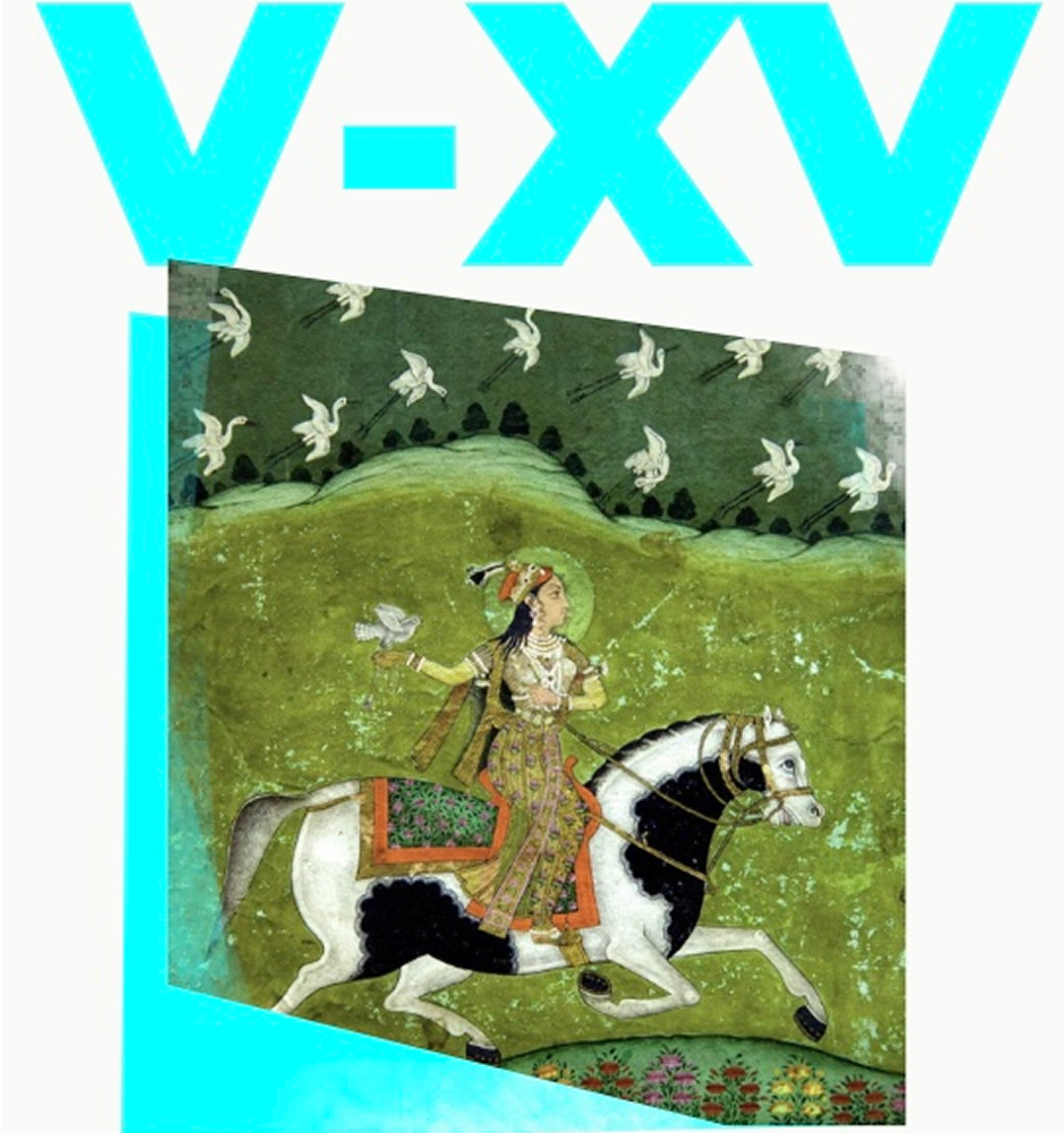
Among various nomadic peoples, though, social norms followed a different logic. Among the Scythians, Saka, and Sarmatians, women served as mounted warriors and participated in military campaigns on equal terms with men. Archaeological discoveries of female burial sites containing weapons confirm this. In the absence of men, who may have left for war or distant pastures, women assumed full responsibility of managing clan resources. In fact, nomadic women in antiquity often had the right to own personal property (including livestock), could participate in decision-making, and, when necessary, they could assume the role of defenders.

Wikimedia Commons
Wikimedia Commons
Wikimedia Commons
Wikimedia Commons

Beginning in the Bronze Age, in most civilizations, women's legal identity became closely embedded within systems of male control and authority through family, inheritance, and marriage. This pattern was especially pronounced in settled agrarian societies, where the public sphere was considered male by definition. In such societies, a woman was first and foremost a keeper of the home and bearer of lineage: her social role was defined by motherhood, household management, and the maintenance of family ties. There were, however, exceptions. In ancient Sumer and Egypt, for example, women could not only manage their own property but also independently engage in business and enter into legal contracts.

Among various nomadic peoples, though, social norms followed a different logic. Among the Scythians, Saka, and Sarmatians, women served as mounted warriors and participated in military campaigns on equal terms with men. Archaeological discoveries of female burial sites containing weapons confirm this. In the absence of men, who may have left for war or distant pastures, women assumed full responsibility of managing clan resources. In fact, nomadic women in antiquity often had the right to own personal property (including livestock), could participate in decision-making, and, when necessary, they could assume the role of defenders.

Wikimedia Commons
Wikimedia Commons
«From that time on, Sauromatian women have preserved their ancient customs: together with their husbands, and even without them, they ride out on horseback to hunt, go on campaigns, and wear the same clothing as men.
...
As for their marriage customs, they are as follows: a girl does not marry until she has killed an enemy. Some die old women without ever marrying because they are unable to fulfill this custom.»

Herodotus,History, Book IV

One of the most famous examples of the roles women could occupy in the nomadic societies of antiquity is Queen Tomyris, the ruler of the Massagetae, a powerful ancient Iranian nomadic confederation of Central Asia who were closely related to the Scythians and Saka. Classical sources, including Herodotus, report that she personally led her army against the Persian king Cyrus the Great. While the account may be partly mythologized, the mere fact of her presence in the political imagination of antiquity is significant: it demonstrates that a woman could be envisioned as a legitimate wielder of power, a notion that remained uncommon throughout much of subsequent history.

5th – 15th Centuries

Religion and New Rules

With the rise of different world religions — Christianity and Islam — the status of women began to be formalized through religious law. As early as the seventh century, Islam established the rights of women to own property, inherit wealth, and initiate divorce. Of course, this did not amount to full equality — even in matters of inheritance — nor did it eliminate social hierarchies. Still, it did recognize women as legal subjects in their own right. In different regions of the Muslim world, practices varied; nevertheless, the very recognition of these rights had long-term consequences.

In steppe empires, this legal framework intersected with longstanding nomadic traditions, giving rise to a distinctive model.

Wikimedia Commons
Wikimedia Commons

Women of the Golden Horde

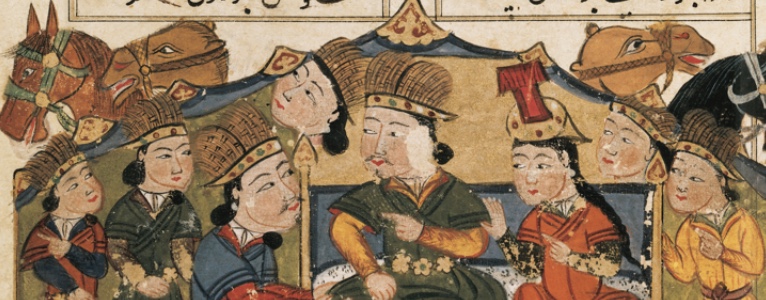
In the Ulus of Jochi, better known as the Golden Horde, a distinct phenomenon of political co-rule took shape in which the khan did not govern alone. At his side stood the khatun, his principal wife, who wielded genuine political authority. This shared status was even reflected in manuscript miniatures, where the ruler and his consort were depicted seated together on a double throne, symbolizing their formal political partnership.

«In this land, I saw remarkable things regarding the great honor in which women are held. They are shown greater respect than men.»

Ibn Battuta, «A Gift to Those Who Contemplate the Wonders of Cities and the Marvels of Traveling»

At times, religious responsibilities were also divided between spouses. Various sources record cases in which a khan oversaw the Muslim community, while his wife supervised the Christian subjects, which was a pragmatic solution in a multi-confessional empire. Khatuns received foreign envoys, conducted diplomatic and political correspondence, and oversaw trade networks. Surviving letters from the wives of Jochid rulers to European monarchs, and even to the Pope, attest to this active role. The khatuns also intervened in commercial disputes and defended the interests of merchants. The scope of economic authority exercised by women within the steppe empires continues to astound contemporary scholars.

Wikimedia Commons
Wikimedia Commons
17th – 18th Centuries

The Enlightenment in Europe – Freedom, but Not for All?

Wikimedia Commons
Wikimedia Commons

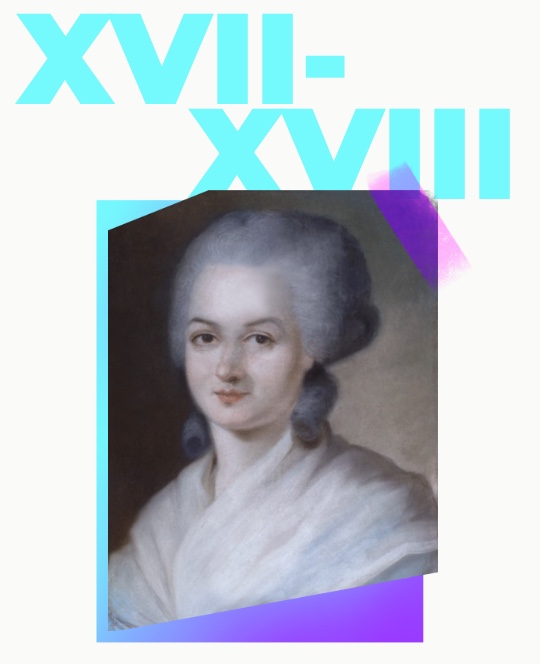
However, Olympe de Gouges, the French writer, political activist, and early feminist best known for her work Declaration of the Rights of Woman and of the Female Citizen (1791), answered him defiantly:

If a woman has the right to mount the scaffold, she must also have the right to mount the tribune.

But de Gouges did not herself escape the scaffold — she was executed by guillotine for her political activity, without even being granted the right to legal counsel.

And as for the right to mount the tribune, women in Western history would be denied it for a long time to come. Even at the beginning of the twentieth century, women in Europe and in most U.S. states could neither vote nor hold elected office. They were forbidden from conducting business without a male representative, whether a father, brother, husband, legal guardian, or even a son. Married women could not exercise control over their children without their husbands' permission. Moreover, women either had no access or limited access to education and were excluded from most professions.

Meanwhile, in the steppe, female agency persisted in very different forms, defined above all by the structure of the clan.

The European Enlightenment invented the vocabulary that we use to speak of freedom even to this day. Human rights were formulated for the first time as universal. Yet, in practice, that universality proved conditional. Even as such ideals were being proclaimed, systems of inequality persisted — and this was true even before considering the global reality of slavery, which continued to flourish at the time. For example, the French Declaration of the Rights of Man and of the Citizen did not include women among its citizens. Jean-Jacques Rousseau wrote passionately about freedom and equality, while simultaneously asserting that a woman was destined for the private sphere, assigning her to the role of raising male citizens.

«Woman is made to please man and to be useful to him.»

Jean-Jacques Rousseau, «Emile, or On Education»

Getty Images
Getty Images
Getty Images
Getty Images

The European Enlightenment invented the vocabulary that we use to speak of freedom even to this day. Human rights were formulated for the first time as universal. Yet, in practice, that universality proved conditional. Even as such ideals were being proclaimed, systems of inequality persisted — and this was true even before considering the global reality of slavery, which continued to flourish at the time. For example, the French Declaration of the Rights of Man and of the Citizen did not include women among its citizens. Jean-Jacques Rousseau wrote passionately about freedom and equality, while simultaneously asserting that a woman was destined for the private sphere, assigning her to the role of raising male citizens.

«Woman is made to please man and to be useful to him.»

Jean-Jacques Rousseau, «Emile, or On Education»

However, Olympe de Gouges, the French writer, political activist, and early feminist best known for her work Declaration of the Rights of Woman and of the Female Citizen (1791), answered him defiantly:

If a woman has the right to mount the scaffold, she must also have the right to mount the tribune.

But de Gouges did not herself escape the scaffold — she was executed by guillotine for her political activity, without even being granted the right to legal counsel.

And as for the right to mount the tribune, women in Western history would be denied it for a long time to come. Even at the beginning of the twentieth century, women in Europe and in most U.S. states could neither vote nor hold elected office. They were forbidden from conducting business without a male representative, whether a father, brother, husband, legal guardian, or even a son. Married women could not exercise control over their children without their husbands' permission. Moreover, women either had no access or limited access to education and were excluded from most professions.

Gallica, Bibliothèque nationale de France

Women in Kazakh Society

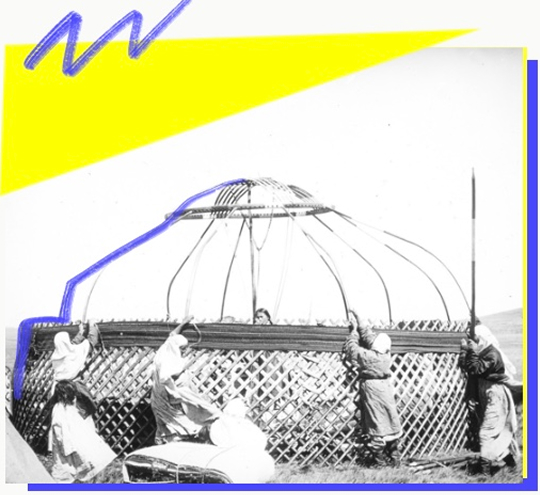
The nomadic way of life required constant and active participation from women. They accompanied seasonal migrations, managed the household, distributed supplies, and were responsible for the internal economy of the aul. This was not equality as we understand it today; it was instead a form of functional authority, which, in rare cases, could evolve beyond the domestic sphere into full political power.

“Among these people great respect is shown to old men; and women, though they have to work hard, have a far more important position in the household than Sart women.
…The women not only put up the yurts, but they make the felt which covers them. They also make very good carpets.”

Annette Meakin in Russian Turkestan: The Garden of Asia and Its People

In Kazakh history, a woman could become a batyr and even a ruler. After the death of Khan Uali, his wife Aiganym, the grandmother of Shokan Walikhanov, effectively governed the lands of the Middle Jüz for more than ten years. She corresponded with the Russian administration, oversaw the construction of schools and religious institutions, and participated in major political decisions.

This is one example demonstrating that women in Kazakh society often stepped beyond expected roles — and that this was socially acceptable.

Gallica, Bibliothèque nationale de France
Late 19th — Early 20th Century

The First Wave of Feminism in the West

Wikimedia Commons
Wikimedia Commons

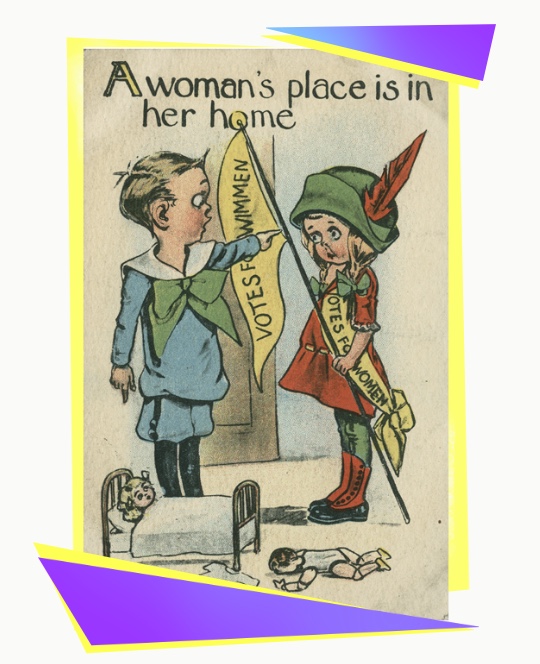
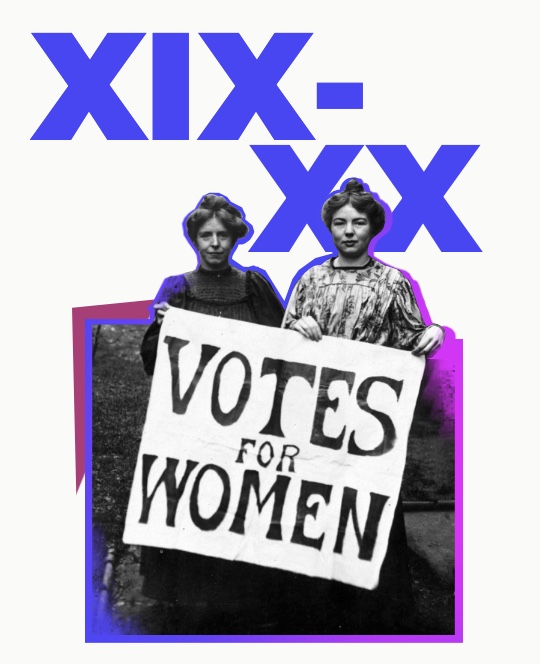
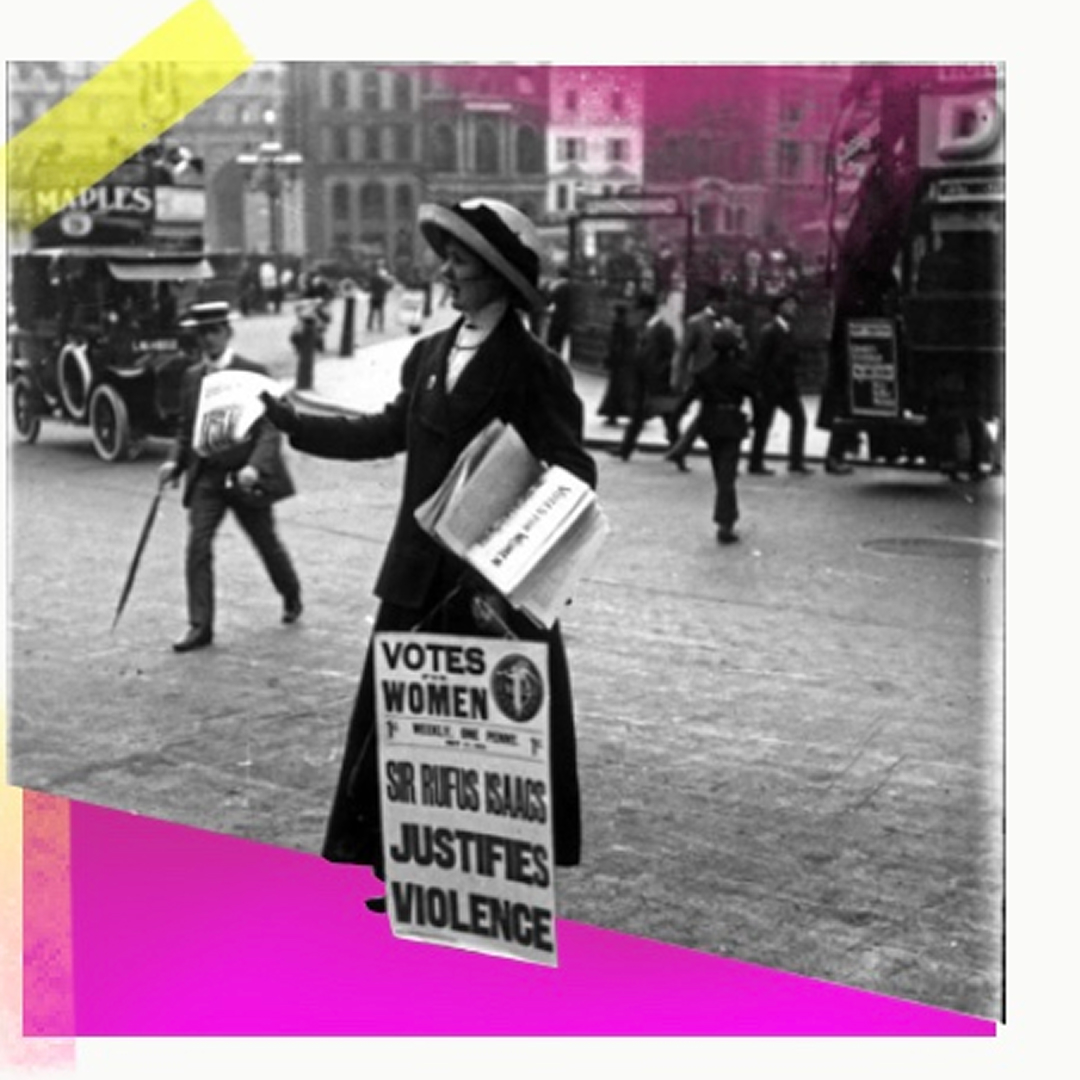
Under pressure from this movement, New Zealand became the first country in the world to grant women the right to vote in national elections in 1893. In the early twentieth century, Australia, Finland, and Norway followed suit. In the United Kingdom, the struggle took the form of mass protests and civil disobedience: suffragists marched in demonstrations, went on hunger strikes, and were often imprisoned.

The first wave of feminism did not simply grow out of nowhere — it emerged from a deep sense of disillusionment. If human rights were proclaimed universal, why did they not extend to women? First articulated at the end of the eighteenth century, this question had, by the mid-nineteenth century, evolved into an organized social and political movement.

In the United Kingdom, the United States, New Zealand, and the Scandinavian countries, suffrage movements began to take shape. Activists demanded the right to vote, property rights, access to education and professions, and the reform of marriage laws for women.

Wikimedia Commons
Wikimedia Commons

The first wave of feminism did not simply grow out of nowhere — it emerged from a deep sense of disillusionment. If human rights were proclaimed universal, why did they not extend to women? First articulated at the end of the eighteenth century, this question had, by the mid-nineteenth century, evolved into an organized social and political movement.

In the United Kingdom, the United States, New Zealand, and the Scandinavian countries, suffrage movements began to take shape. Activists demanded the right to vote, property rights, access to education and professions, and the reform of marriage laws for women.

Wikimedia Commons
Wikimedia Commons

Under pressure from this movement, New Zealand became the first country in the world to grant women the right to vote in national elections in 1893. In the early twentieth century, Australia, Finland, and Norway followed suit. In the United Kingdom, the struggle took the form of mass protests and civil disobedience: suffragists marched in demonstrations, went on hunger strikes, and were often imprisoned.

Wikimedia Commons
Wikimedia Commons
The Late 19th to the Early 20th Centuries

Central Asia

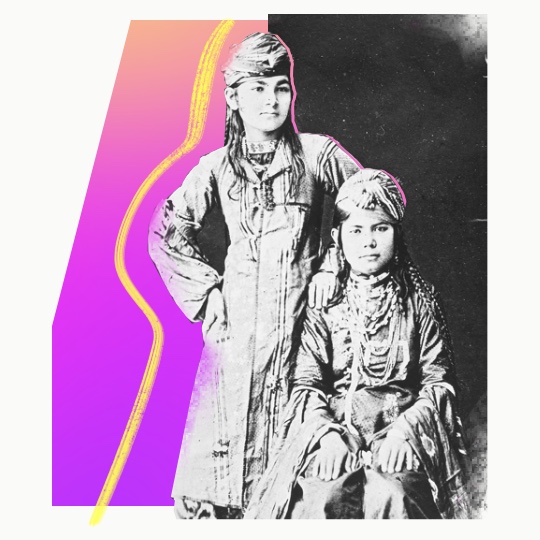
In Central Asia, the nineteenth century was shaped less by suffragism than by the clash of imperial ideologies with reform movements. At the turn of the twentieth century, the Jadid reformers, despite their religious background, linked the future of the nation to the education of girls. Newspapers, new maktabs (schools), and translations of European texts into local languages created space for discussing women’s status.

In the steppe and in the cities of Turkestan, this transformation manifested itself primarily through schooling. Women’s education provoked debate—not only religious but social as well. Education meant stepping beyond the confines of the clan, reconsidering marriage practices, and making later marriage possible. The question of female literacy thus became a question about the limits of male authority.

Gallica, Bibliothèque nationale de France

The ‘Oppressed Women of the East’?

Duke University Libraries

In the second half of the nineteenth century, as European empires expanded from North Africa to Central Asia, a persistent stereotype emerged: the East as a space of female confinement. Paradoxically, at a time when European women themselves lacked suffrage and legal autonomy, colonial newspapers increasingly spoke of the ‘oppressed women of the East’. The status of women became convenient ‘proof’ of supposed civilizational superiority.

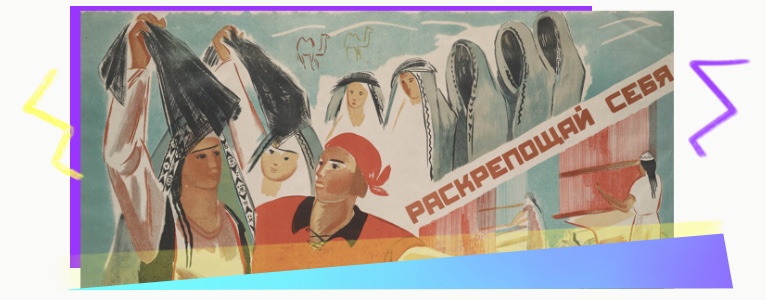
The French administration in Algeria, British officials in Egypt, and Russian authorities in Turkestan all employed the language of modernization. Girls’ education, the prohibition of ‘barbaric’ practices, and campaigns against the veil or early marriage were presented as part of a ‘civilizing mission’ and humanitarian progress.

As the renowned scholar Edward Said later argued, the East in the European imagination was constructed not as an equal but as its opposite—irrational, backward, and in need of governance. Within this framework, the woman became a symbol: her supposed ‘seclusion’ was invoked to justify external intervention.

“…She never speaks for herself, never reveals her emotions, presence, or story. He spoke for her, representing her.”

Edward Said, Orientalism: Western Conceptions of the East

Thus, the myth of the ‘oppressed women of the East’ was born not of reality but of comparison. It reduced complex social structures to a simple moral dichotomy: ‘There, tradition; here, freedom.’ For a long time, this framework allowed Western societies to overlook their own inequalities and limitations.

The Early 20th Century

A New Hope

Getty Images
Getty Images

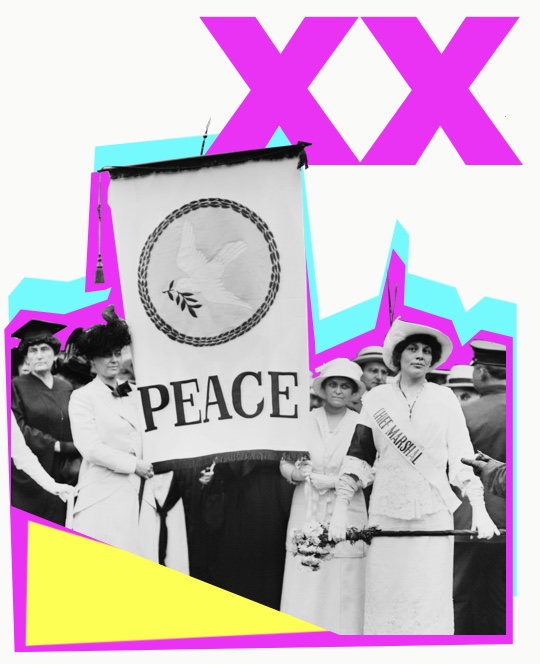
The twentieth century in the history of women’s rights opened with a sense of hope. The women’s movement could no longer be ignored. The First World War accelerated change: as millions of men went to the front, women stepped into their roles in factories, transportation, and medical services. Governments that had long denied women the vote now found themselves dependent on their labor.

In the Russian Empire, the February Revolution of 1917 began with women’s demonstrations in Petrograd — strikes by textile workers on International Women’s Day. Soon afterward, the Provisional Government granted women the right to vote. In the Ottoman Empire and Iran, debates over modernization increasingly encompassed women’s education and their role in public life. Across the world — from the Middle East to China — women became symbols of a society’s departure from ‘backwardness’.

In Central Asia, this turning point was felt especially acutely. The region lay at the crossroads of imperial rivalries, Muslim reformism, and emerging national movements.

Women in the Alash Movement

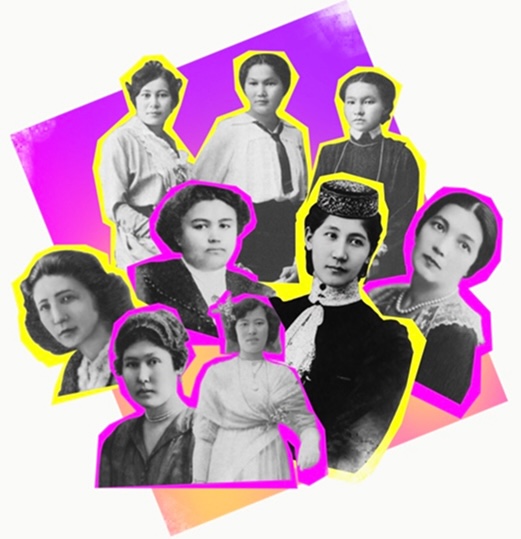
Although in public memory the Alash movement is most often associated with male figures, women’s issues were an important part of its agenda.

For the Alash leaders, girls’ education was essential to the survival of the nation. It was impossible to speak of a self-sufficient people if half of the population remained illiterate — a point repeatedly emphasized in journalism and educational projects of the time.

“In the Land of the Kazakhs, men and women are equal. Kazakh customs do not demean women and are carried out with their consent.”

Charter of the Kazakh State

Wikimedia Commons
Wikimedia Commons

Women in Alash took part in writing and publishing projects, helped establish innovative schools, and engaged in public discourse through letters, translations, and charitable initiatives.

The paradox was that Alash spoke of rights and the nation’s future at a time when the imperial system still set the boundaries of what was permissible — yet Kazakh women actively challenged those limits.

In 1903, fifteen-year-old Nazipa Kulzhanova appealed to the military governor of the Turgai region to cancel her engagement. A bride price had already been paid for her, but Nazipa wanted to study. The governor intervened, the bride price was returned, and she completed her studies, graduating at the top of her class. Later, she did much more for freedom — both her own and that of others. She wrote about forced marriages, raised funds for girls’ education, and worked as a teacher herself. Her story became a symbol of a new reality — the struggle for freedom.

1920s–1950s

Emancipation from Above

Getty Images
Getty Images

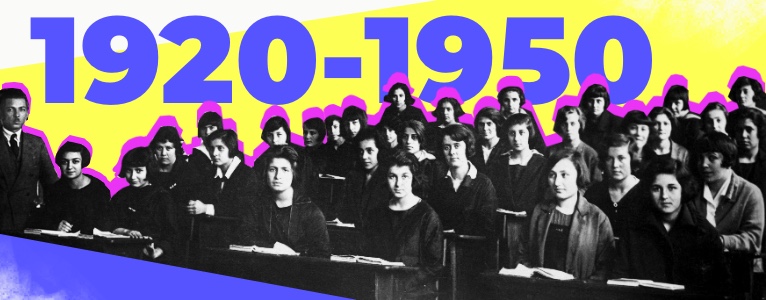
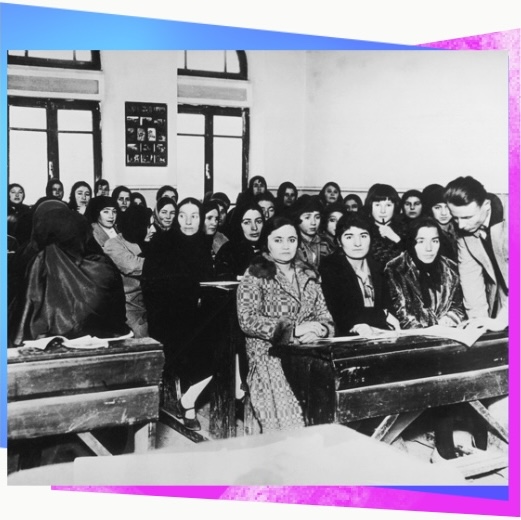
By the mid-twentieth century, women’s rights had become a showcase for political ideologies. In the West, the Second World War brought women into factories and offices. In Turkey, the reforms of Mustafa Kemal Atatürk turned the unveiled woman with a university diploma into a symbol of the new nation.

Women in Turkey gained the right to vote, entered new professions, and became more visible in public life. They were encouraged — and sometimes compelled — to abandon the veil. These reforms produced real achievements, opening access to education, professional careers, and public roles that had previously been closed to women.

Yet this process also had another side. Women were elevated as symbols of the modern Turkish nation. Their appearance and behavior became proof that the country was moving forward. As a result, the state itself often determined what a ‘modern woman’ should look like and how she should behave.

Getty Images
Getty Images

In other words, women’s emancipation was carried out ‘from above’ — within limits defined by the state itself. Women were granted real rights, yet their political voice and forms of self-expression were often shaped by ideological frameworks.

Such a model was not unique to Turkey nor limited to Muslim societies. In many countries around the world, socialist, colonial, and post-colonial governments used women’s rights as a formal symbol of progress while simultaneously regulating and restricting how those rights could be exercised.

The 20th Century

Women’s Rights in the USSR

Getty Images
Getty Images

Women’s Rights in the USSR

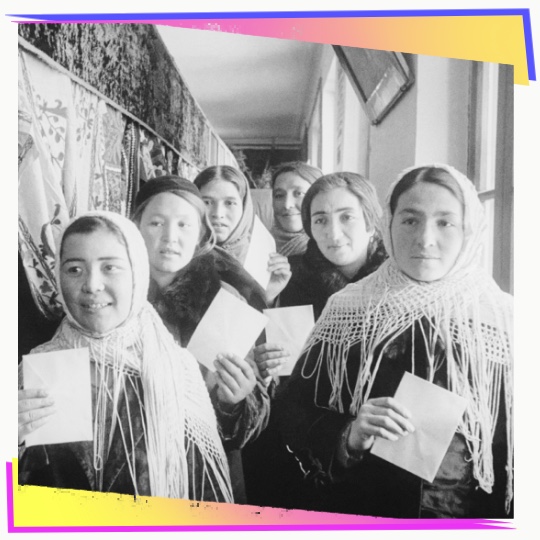
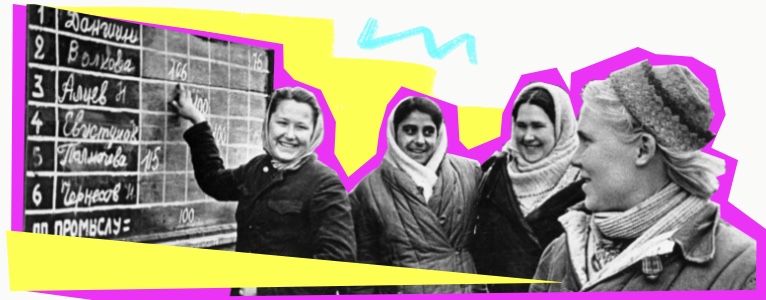
The Soviet Union had its own distinctive form of state feminism: rights were exchanged for loyalty and mobilization. Formally, the Soviet system granted women rights that were still unavailable to women in Western Europe: the right to work, to education, and to political participation. As early as 1918, the Constitution of the Russian Soviet Federative Socialist Republic (RSFSR) enshrined the right to vote regardless of gender. In 1920, abortion was legalized, which was an unprecedented step for its time.

Women in the USSR are granted equal rights with men in all areas of economic, state, cultural, and socio-political life.

Constitution of the USSR, 1936

Getty Images
Getty Images

The Soviet Union had its own distinctive form of state feminism: rights were exchanged for loyalty and mobilization. Formally, the Soviet system granted women rights that were still unavailable to women in Western Europe: the right to work, to education, and to political participation. As early as 1918, the Constitution of the Russian Soviet Federative Socialist Republic (RSFSR) enshrined the right to vote regardless of gender. In 1920, abortion was legalized, which was an unprecedented step for its time.

Women in the USSR are granted equal rights with men in all areas of economic, state, cultural, and socio-political life.

Constitution of the USSR, 1936

Getty Images
Getty Images

It is important to remember that in the context of the Soviet Union, most of these rights — whether it was women’s suffrage or participation in political life — existed largely on paper. Freedom of choice and political expression outside the bounds of party directives and official ideology was denied to all.

By the mid-1930s, however, the rhetoric shifted. In 1936, abortions were banned, divorces were made more difficult, and incentives for large families were introduced. Women were still officially ‘equal’, but now their equality was needed for demographic purposes. After the Second World War, against the backdrop of massive losses and casualties, motherhood became almost a heroic duty. In 1944, the title ‘Mother Heroine’ was established for women with ten or more children.

The paradox was that a redistribution of domestic labor did not accompany the mass entry of women into the workforce. Kindergartens and nurseries existed, but did not meet the demand.

At the same time, Soviet women served in the Supreme Soviet, managed industrial production, and pursued careers in science. Yet, there was no independent women’s movement. Whereas pre-revolutionary Russia had feminist circles and journals, the women’s question was now officially considered resolved. As a result, any separate women’s agenda seemed unnecessary — or even suspicious.

This illustrates the central principle of so-called state feminism: emancipation without autonomy. A woman could achieve anything, provided her success affirmed the authority of the regime.

In international politics, the Soviet experience was actively contrasted with the ‘bourgeois West’. While women in France gained full suffrage only in 1944, and in Switzerland only in 1971, the USSR could showcase nearly thirty years of formal equality. Yet, this equality did not mean equal access to power. Until the collapse of the USSR, women never held top positions in the party leadership.

1967

Forty-Two Kilometers to Equality

Getty Images
Getty Images

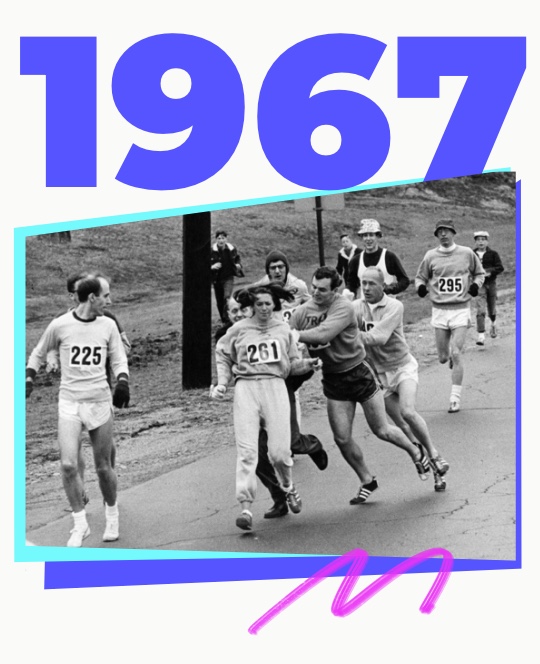
While various ideologies debated the ‘proper’ form of emancipation, the boundaries of women’s freedom were often tested in the most unexpected places, such as on the sports field. Marathon distances, like most forms of intense physical exertion, were long considered dangerous for the female body.

In 1967, journalism student Kathrine Switzer became the first woman to officially run the full distance of the Boston Marathon — all forty-two kilometers of it. To register, she entered under the initials ‘K.V. Switzer’, concealing her gender. Midway through the race, one of the organizers realized that a woman was running and lunged at her, attempting to tear off her race number and force her off the course. But the male runners did not stand aside. Switzer’s companion and several other participants pushed the organizer back, allowing her to continue.

She finished the race, and photographs of the attack circulated around the world, becoming a powerful symbol of change. Five years later, women were officially allowed to compete in the Boston Marathon. Later still, in 1984, the women’s marathon event was included in the Olympic Games program.

The 21st Century

The New Norm and ‘Glass Ceilings’

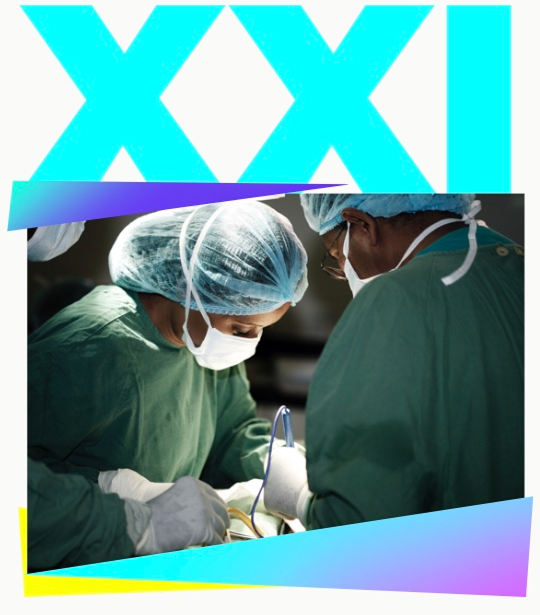
The twenty-first century has every chance of becoming the culmination of the long struggle of women towards real equality. For example, women’s rights are now enshrined in law in most countries around the world. Today, girls remain in education longer than at any other point in history, and in lecture halls in universities across the globe, women students often outnumber the men. Women lead corporations, international organizations, and entire states. In recent decades, access to healthcare has expanded, and comprehensive legislation against domestic violence has been adopted.

Despite this, statistics tell us a different story and serve as a reminder that we are still not there. The gender pay gap persists even in the most developed economies; unpaid domestic labor continues to fall primarily on women’s shoulders; and in some countries, the labor market still divides professions into ‘male’ and ‘female’, sometimes out of habit and sometimes because of legal barriers.

Getty Images
Getty Images
KAZ Minerals
KAZ Minerals

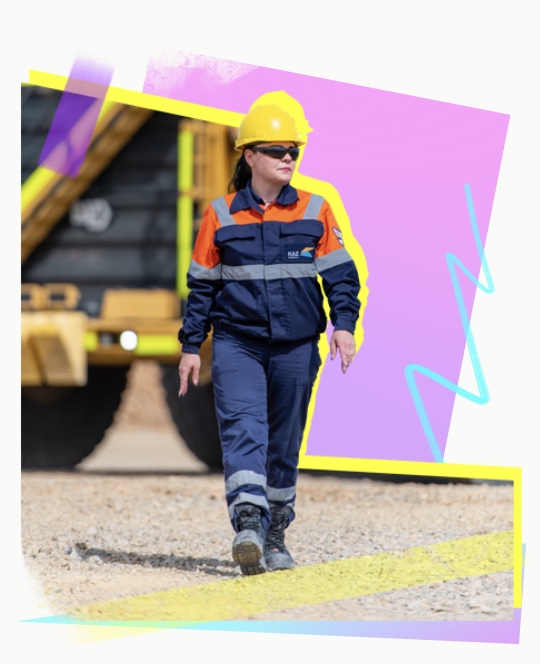
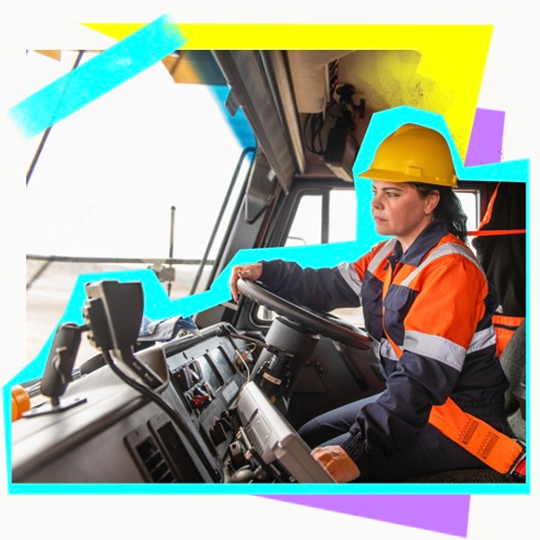
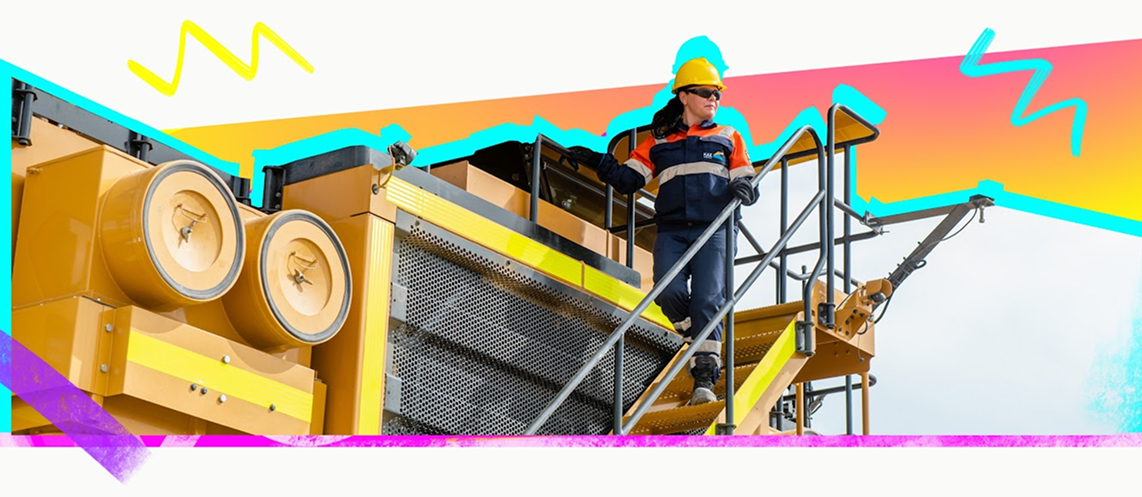
Today, women operating heavy machinery in quarries are a familiar sight, creating a new normal. So too are women in dozens of other professions that for a long time were considered closed to them. This is how change happens—when there is both the will and sustained institutional support.

The history of women’s freedom, after all, is the history of how society learns to see equal opportunity not as a threat to tradition but as a resource for development. Each time, new rules expand the space of choice, the boundary shifts, and individual decisions become part of a larger history.

The Right to Choose a Profession

Yet, these boundaries are gradually eroding through concrete examples. In 2018, the Kazakhstan-based company KAZ Minerals launched a project that was unusual for the rather conservative mining industry: women were offered the opportunity to operate massive open-pit haul trucks.

This initiative helped elevate the issue of professional restrictions to the national level. The company approached regulators with proposals to revise the existing rules. As a result, in 2021 amendments were introduced to the list of 'non-female' professions within the labor legislation of the Republic of Kazakhstan.

KAZ Minerals
KAZ Minerals
KAZ Minerals
KAZ Minerals

The Right to Choose a Profession

KAZ Minerals
KAZ Minerals

Yet, these boundaries are gradually eroding through concrete examples. In 2018, the Kazakhstan-based company KAZ Minerals launched a project that was unusual for the rather conservative mining industry: women were offered the opportunity to operate massive open-pit haul trucks.

This initiative helped elevate the issue of professional restrictions to the national level. The company approached regulators with proposals to revise the existing rules. As a result, in 2021 amendments were introduced to the list of 'non-female' professions within the labor legislation of the Republic of Kazakhstan.

KAZ Minerals
KAZ Minerals

Today, women operating heavy machinery in quarries are a familiar sight, creating a new normal. So too are women in dozens of other professions that for a long time were considered closed to them. This is how change happens—when there is both the will and sustained institutional support.

KAZ Minerals
KAZ Minerals

The history of women’s freedom, after all, is the history of how society learns to see equal opportunity not as a threat to tradition but as a resource for development. Each time, new rules expand the space of choice, the boundary shifts, and individual decisions become part of a larger history.