
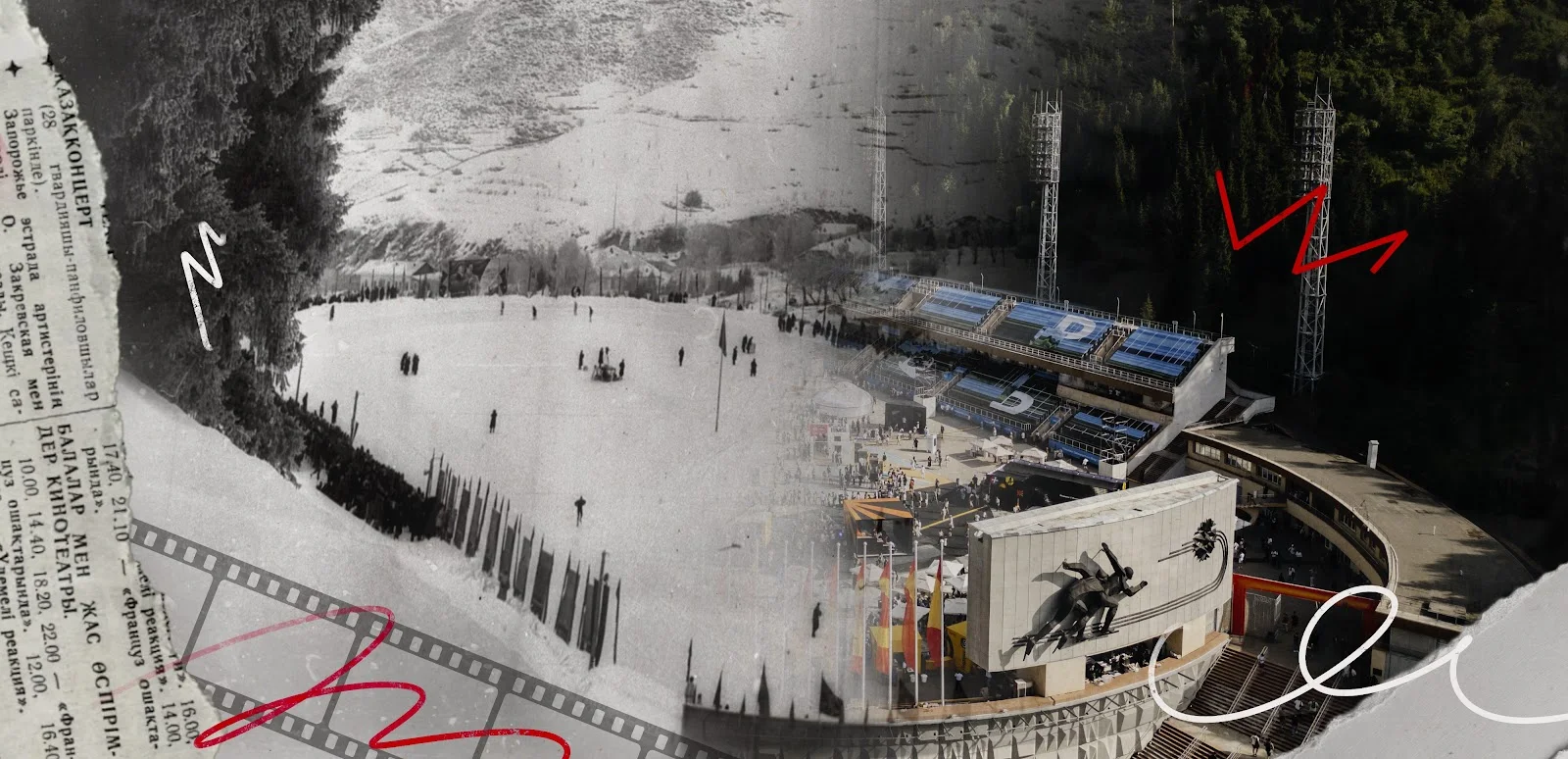
The history of Almaty stretches back centuries—in fact, the city appears in the opening pages of the Baburnama, the memoirs of the founder of the Mughal Empire written more than five centuries ago. In the mid-nineteenth century, the celebrated Russian explorer Pyotr Semyonov-Tyan-Shansky would describe its mountain foothills as ‘grander than the Swiss Alps’. From its days as a trading center on the Silk Road in the Middle Ages to its emergence as one of Kazakhstan’s largest cultural and economic centers, Almaty has a rich and fascinating history. Yet the spectacular beauty of the surrounding mountains often overshadows the city itself and its remarkable cultural heritage.
Now, a new project invites pedestrians to discover that history as they walk. Almaty Then and Now, a collaboration between CITIX and Qalam Media, pairs archival images from Kazakhstan’s Central State Archive with contemporary photographs of the same streets, squares, and buildings. Displayed on interactive Jerry smartboards across the city, the photographs offer passersby a glimpse of how familiar places have changed over the decades. Already a source of information on directions, events, and attractions, these digital street-side guides now offer a window into the city’s past.
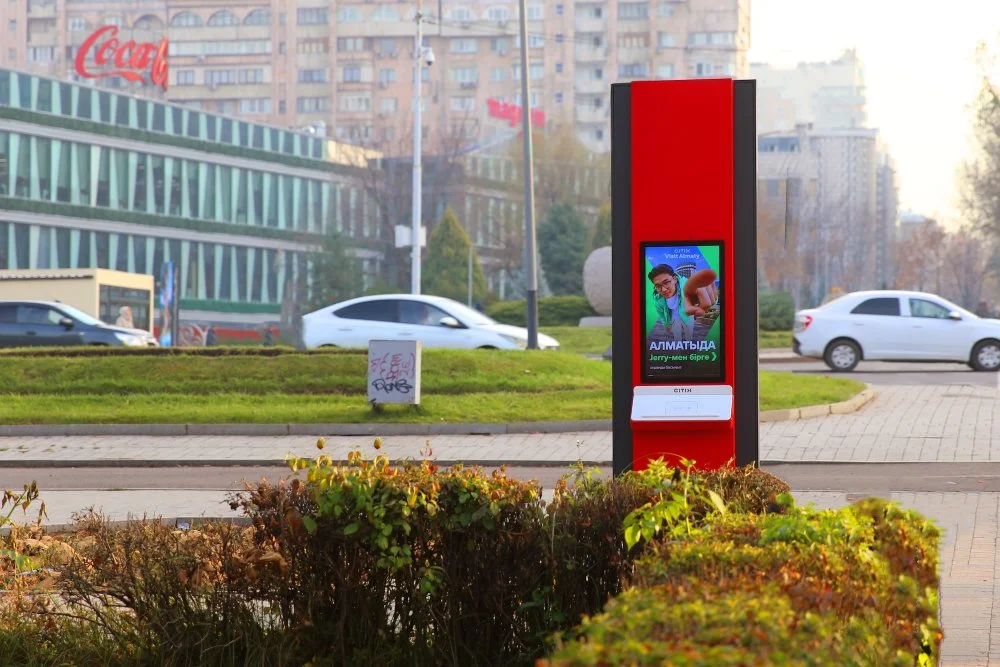
Courtesy of CITIX
Beyond documenting changes in the urban landscape, the project also brings to light the lesser-known stories behind some of Almaty’s most familiar landmarks. One such landmark is Medeu, the renowned mountain sports complex. While the complex is rather famous, few are familiar with the history of the valley where it stands. Unlike many other names that have survived from Almaty’s pre-Soviet past, Medeu takes its name from a man whose life was closely intertwined with the area. However, his ties to Almaty extended beyond the mountain foothills: like many prosperous nomads of his time, he also maintained a home in the city.
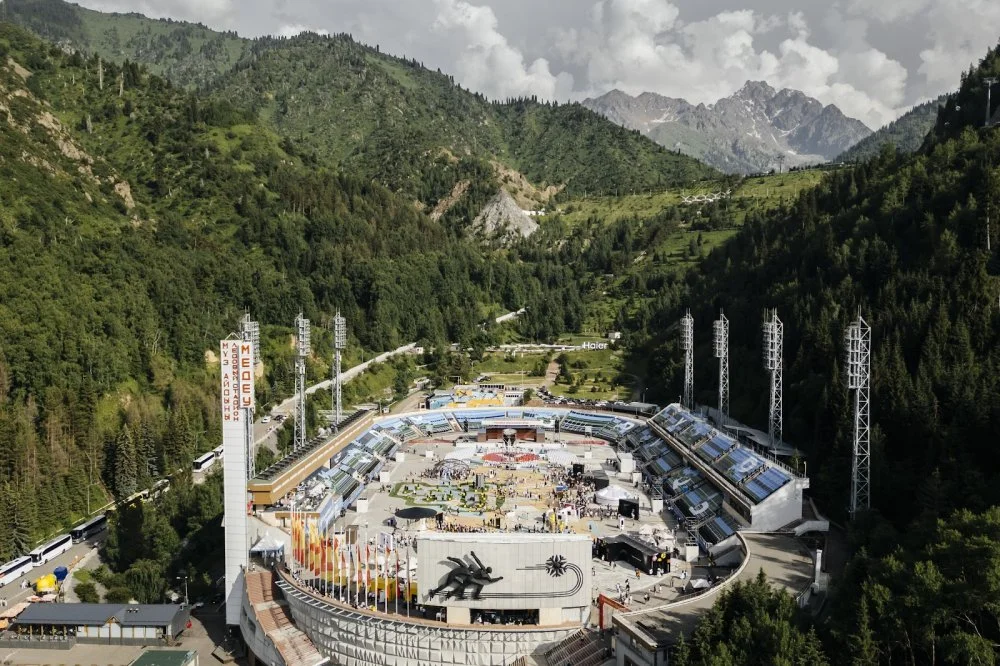
Medeu high-mountain sports complex. 2026 / Viktor Magdeev / Qalam
A dozen or so miles from the rink once known as speed skating’s ‘record factory’ lies the grave of Medeu Pusyrmanuly, still revered in his native Ili district. The connection between the man and the sports complex goes beyond the name they share: the rink stands on what was once his jailau, or summer pasture. Yet the story of how this valley evolved into one of Almaty’s most famous landmarks began with concerns far more urgent than recreation or sporting achievements.
In July 1963, a devastating mudflow swept through the Trans-Ili Alatau Mountains, all but destroying Lake Issyk, a popular retreat for Almaty residents, and many people lost their lives. Among those who witnessed the disaster was Dinmukhamed Kunayev, first secretary of Kazakhstan’s Communist Party, who had been traveling to the lake that day with a high-ranking delegation from Moscow. The tragedy underscored the need to protect Almaty from similar disasters. Plans to build a protective dam in the Medeu gorge had been under consideration since the mid-1950s, but this event made it an emergency priority.
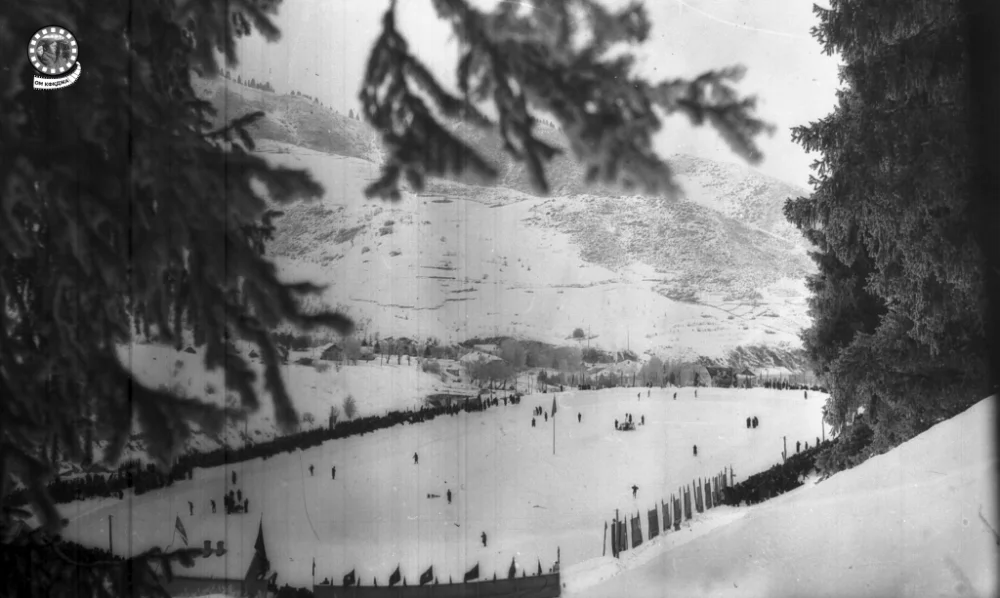
Galkin M. General view of the Medeu high-mountain ice rink. 1955 / Central State Archive of Film, Phono, and Photo Documents of the RK
The construction of the dam began with controlled explosions in 1966, and it became operational in 1972. That same year, Medeu’s new mountain rink opened with more than 100,000 square feet of ice and seating for 12,500 spectators.
Kunayev is widely credited with championing both the dam and the ambitious sports complex, repeatedly making the case for the costly undertaking to the Soviet leadership in Moscow. His interest in Medeu, however, was also personal. His attachment to the place went back to childhood. He even recalled a chance encounter with Leon Trotsky in the gorge when he was still a schoolboy.
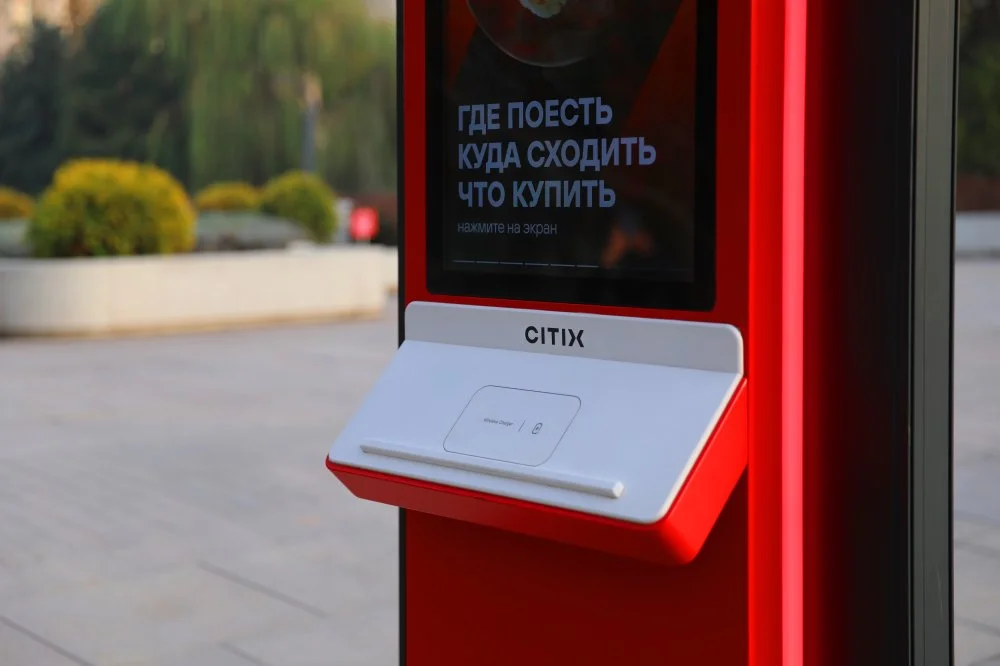
Courtesy of CITIX
Yet even as Kunayev helped shape a new chapter in the valley’s history, its name remained a link to a much older past. The gorge has kept the name it bore in the nineteenth century, surviving successive waves of renaming under the tsars and the Soviets. Its landscape, however, has changed dramatically over the decades. What was once a local elder’s summer pasture is now home to one of the world’s largest high-altitude winter sports complexes and is one of Almaty’s most popular mountain retreats. Amid all these transformations, the name Medeu endures.
Then: The Medeu Skating Rink
Now: The Medeu Mountain Sports Complex
When Medeu’s first skating rink opened in 1951, its facilities were modest: naturally frozen ice, wooden buildings, and simple benches in place of grandstands. In 1972, a modern sports complex opened at an elevation of roughly 5,545 feet. More than a hundred world records would eventually be set on its ice.
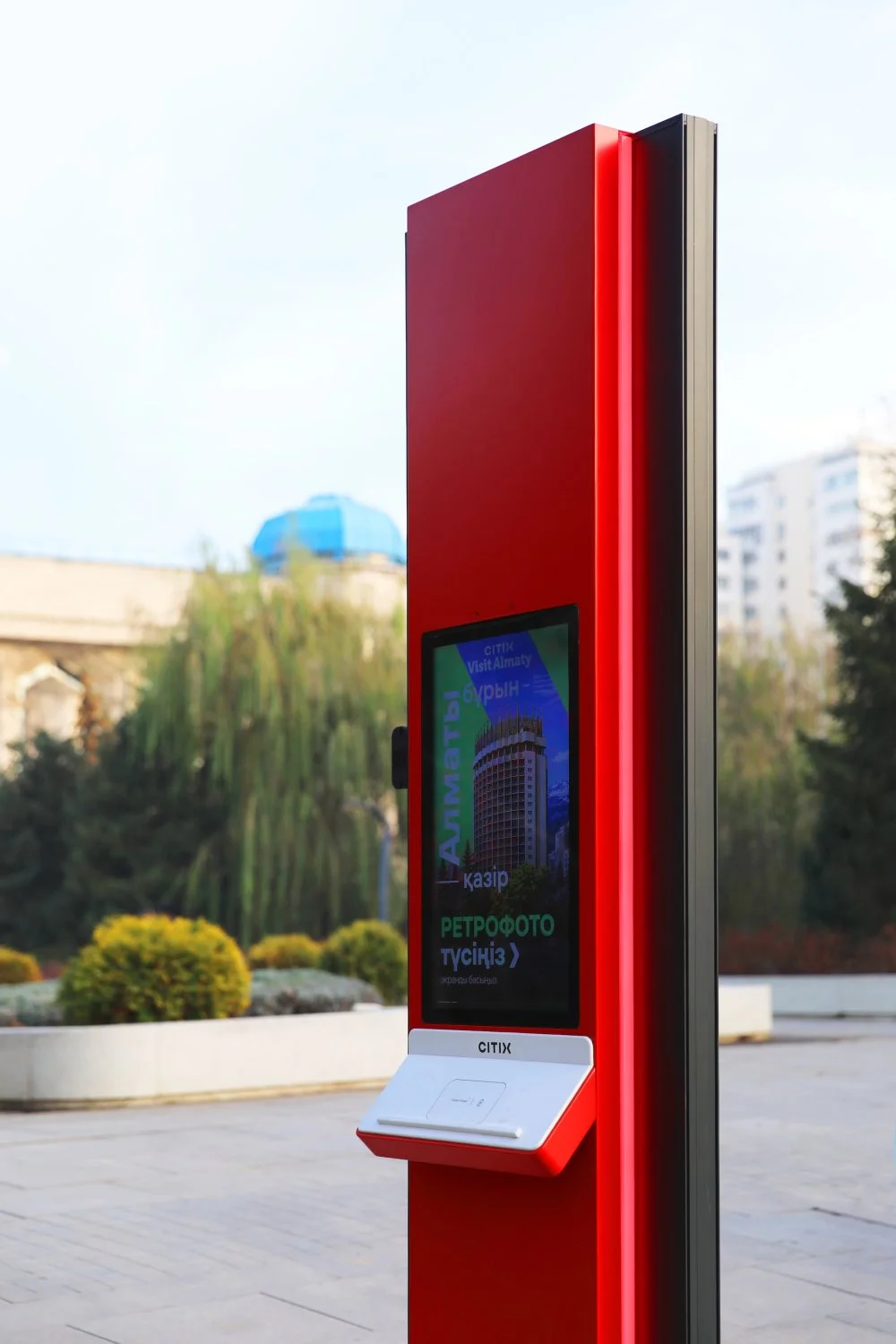
Courtesy of CITIX
Beneath the surface lay an immense refrigeration system: some 106 miles of pipes carrying coolant. Above ground, the tiered stands follow the contours of the gorge, while a sculpted relief of two speed skaters on the building’s exterior celebrates the sport that made Medeu famous. The complex is currently undergoing renovations, scheduled for completion in the final quarter of 2027. Ensure you check which access routes are open before visiting. Even from the areas that remain accessible, the scale of the structure, nestled between the mountain slopes, is unmistakable.
Medeu is simply one chapter in the Almaty Then and Now project. The Jerry smartboards also feature the Kazakh National Opera and Ballet Theater, Central Park, the Kazakhstan Hotel, the Tselinny Center of Contemporary Culture, Kök-Tobe Park, the Kazakh State Circus, the Palace of the Republic, the Zangar department store, the Schoolchildren’s Palace, Ascension Cathedral, and the Museum of Folk Musical Instruments.
After exploring each landmark’s history, visitors can take a four-question quiz to test their knowledge of the city. An AI photo booth then offers a playful souvenir: a portrait of the visitor on the streets of old Almaty, ready to save to a phone by scanning a QR code.
On your next walk, stop at a Jerry smartboard. The city you know has many, many other stories to tell.
