
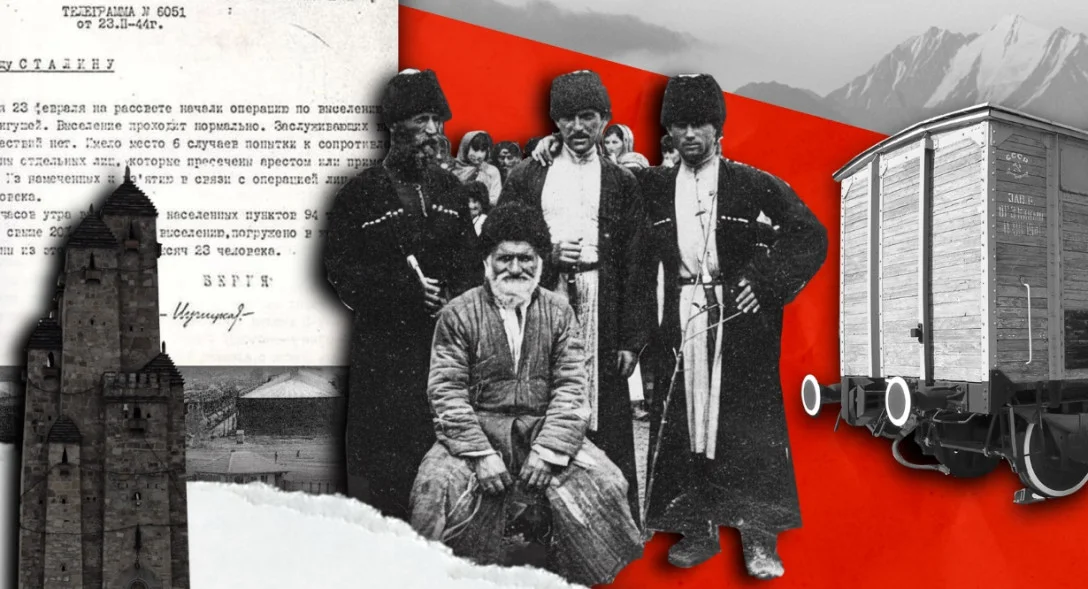
On 23 February 1944, while Red Army Day was being celebrated in Moscow, Operation Chechevitsa, or ‘Operation Lentil’, began in the North Caucasus, becoming one of the largest deportations in the history of the Soviet Union.
Around half a million Chechens and Ingushi The Chechens and Ingush are two related North Caucasian Muslim peoples, distinct yet linked by language, history, and shared experience of Stalinist deportation., including the elderly, women, and children, were driven from their homes at gunpoint, loaded into railroad freight cars, and sent into the unknown. Doctor of Historical Sciences Zauresh Saktaganova recounts the events of that time.
Deportation: Pretext and Preconditions
The Chechen and Ingush Autonomous Oblasts were established in 1922 and 1924, respectively, immediately after the civil war. Ten years later, in 1934, they were merged into the Chechen–Ingush Autonomous Oblast within the North Caucasian Krai. On 5 December 1936, this was reorganized into the Chechen–Ingush Autonomous Soviet Socialist Republic (Chechen–Ingush ASSR).
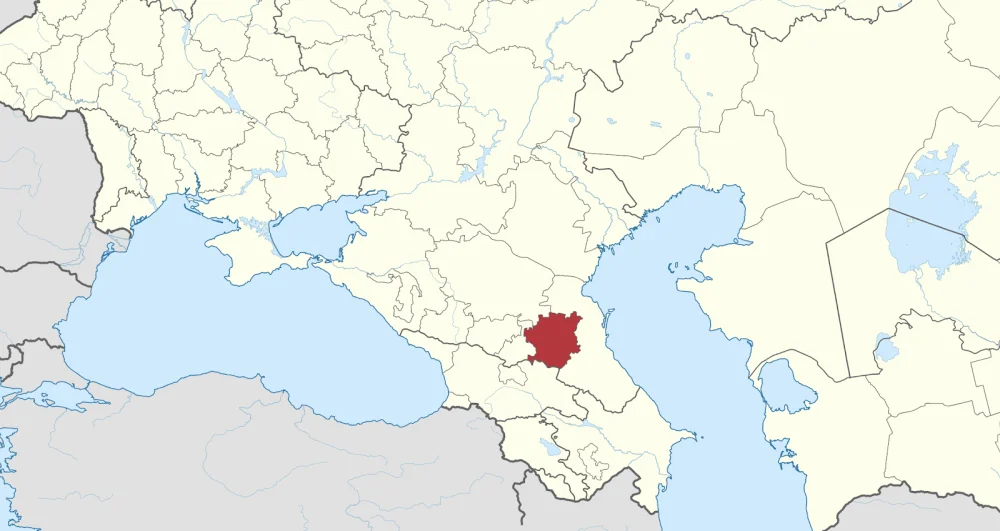
The traditional way of life of the Chechens and Ingush was based on a clan–tribal structure—teips, personal freedom, and mountain adats (customary law)—a system of unwritten traditions and norms of customary law among the peoples of the Caucasus that regulated social relations. From the late eighteenth to the early nineteenth century, both peoples definitively embraced Islam and belonged to the autochthonous, that is, the indigenous population of the region, which traditionally practiced terraced agriculture and transhumant pastoralismiThis is a seasonal movement of livestock between fixed summer and winter pastures, distinct from full nomadism..
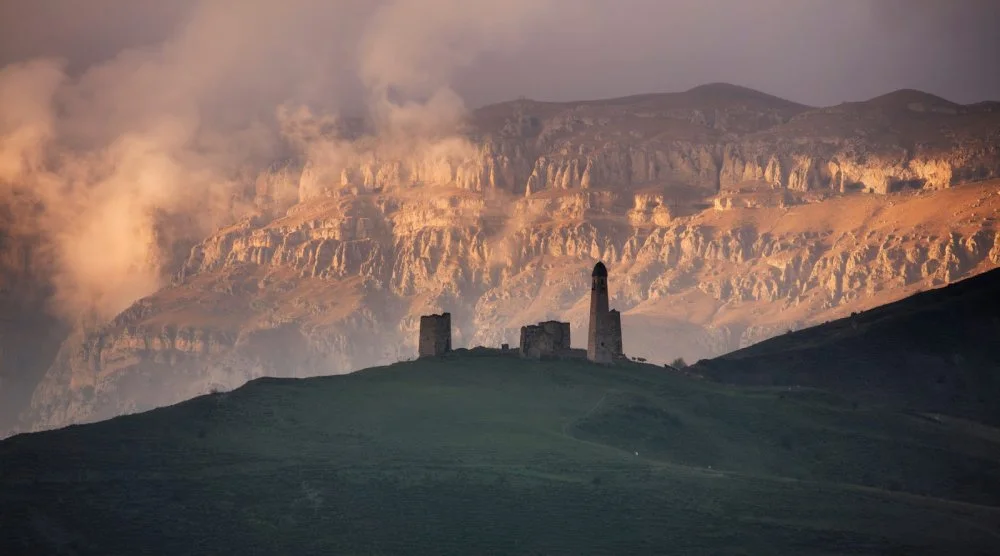
Aerial photograph showing the ruins of the medieval settlement of Erzi in the Caucasus Mountains, Dzheyrakhsky District, Ingushetia, Russia / Getty Images
However, Soviet modernization brought with it not only new institutions but also deep conflicts. During the period of so-called ‘total collectivization’, social tensions intensified, driven not only by the economic aspects of this campaign but also by political and spiritual ones. The mass confiscation of livestock and all agricultural equipment, along with the forced consolidation into collective farms, was carried out without regard for traditions, ways of life, or the psychological characteristics of the highlanders of the North Caucasus.
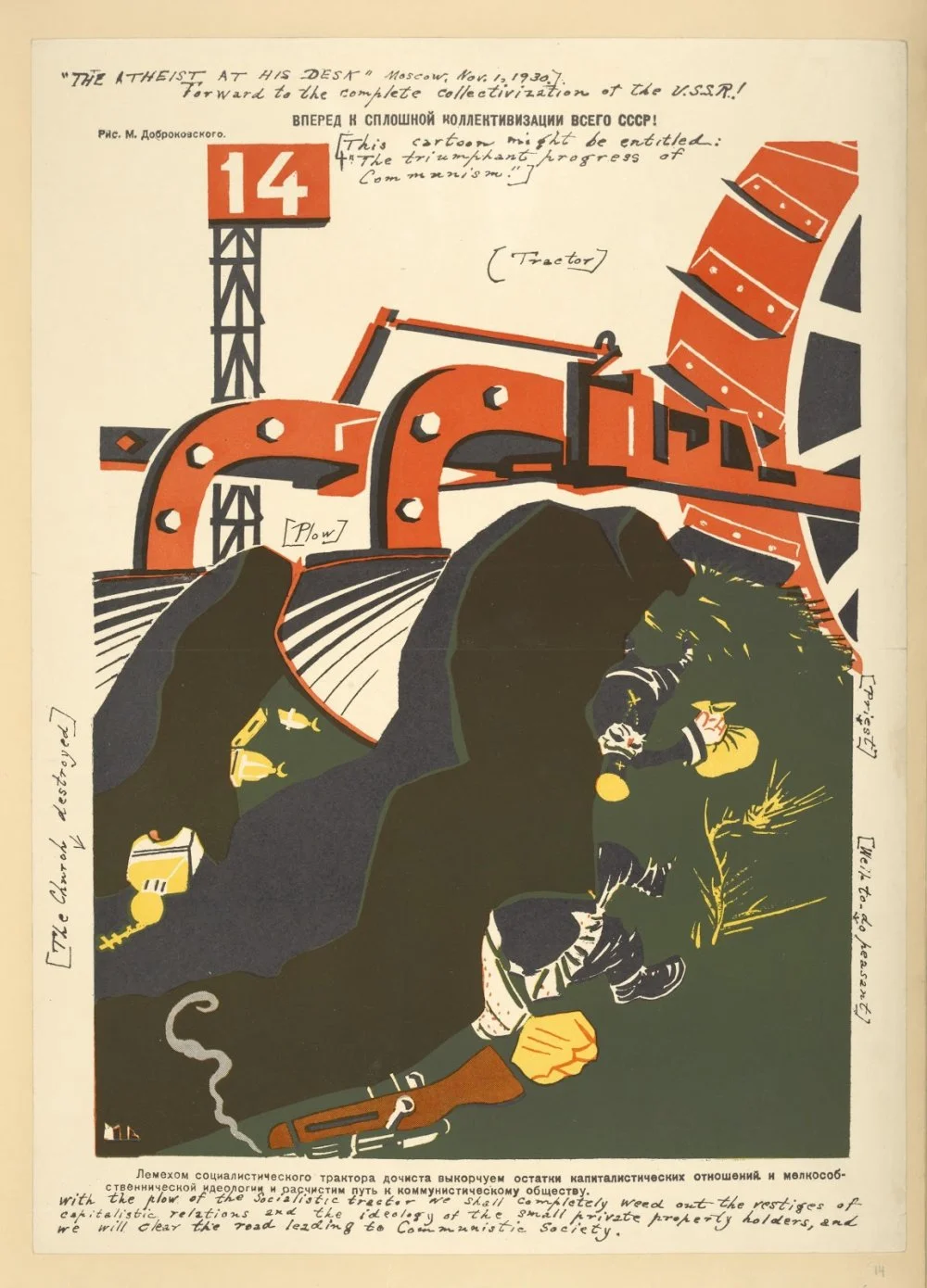
Mechislav Dobrokovsky. Cover of the magazine Bezbozhnik “Forward to the complete collectivization,” November 1, 1930. Bezbozhnik was a Soviet illustrated antireligious magazine (1925–1941) / Wikimedia Commons
In 1937, collectivization was underway. Grandfather lived well and voluntarily handed over his livestock to the collective farm—about 1,000 sheep and 100 head of cattle. But they still arrested him and took him away, along with my father’s elder brother. The brother returned, but Grandfather disappeared without a trace.
—From the memoirs of Emil AbubakiroviДепортация народов в Казахстан в 1930–1950 гг.: общность истории / под общ. ред. Б. И. Ракишевой. Астана, 2013. 683 с.
In the 1930s and early 1940s, social unrest in the Chechen–Ingush ASSR intensified, fueled by the policies of the Soviet authorities. Groups of activists opposed to Soviet policies were officially designated as ‘armed insurgent groups’ in the USSR, and following Germany’s invasion, their activity intensified, and their numbers grew.
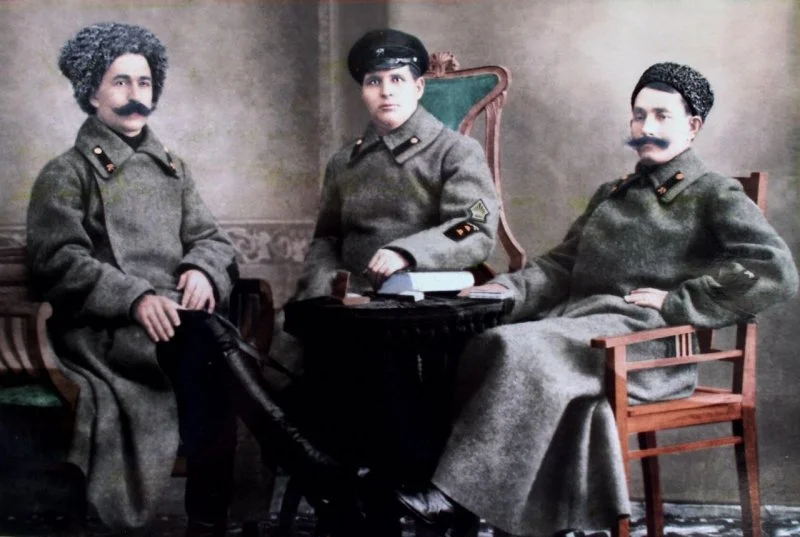
Shita Istamulov and Mezhid Alhanov — participants in the anti-Soviet Chechen uprising of 1929–1930 against forced collectivization by Soviet authorities. Photograph, 1920s–1930s / Wikimedia Commons
The Soviet government feared not only collaborationism. The North Caucasus itself was of strategic importance. Oil deposits in the Grozny area had been discovered even before the October Revolution, and by the 1930s, the region had become one of the key centers of oil production. Control over the Caucasus meant control over valuable resources.
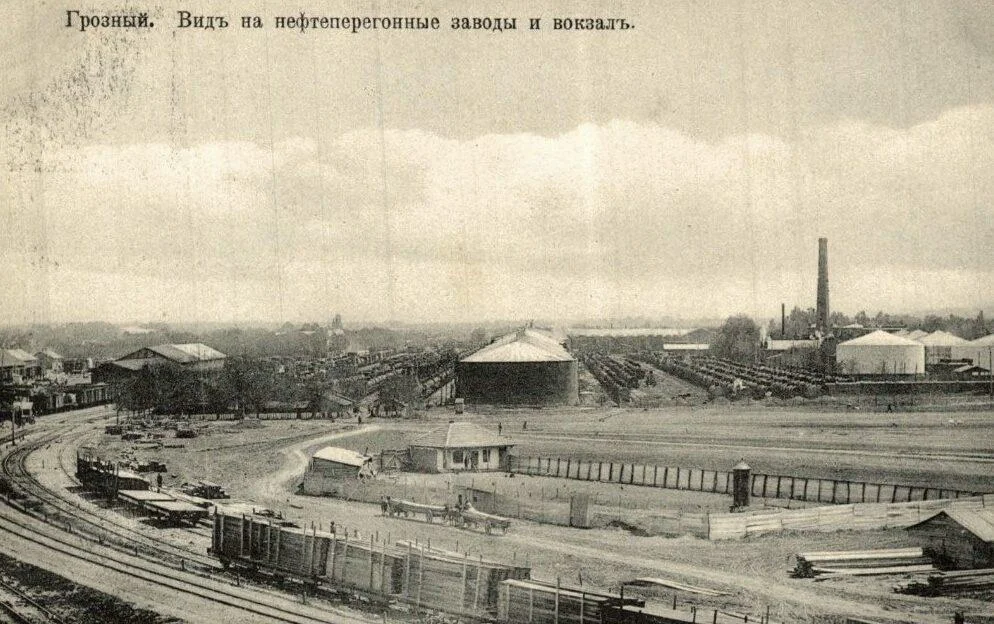
View of the oil refineries and the railway station in Grozny. Postcard published by A. Ya. Shishkov, 1910–1915 / Wikimedia Commons
In September 1942, the German army attempted to seize the oil-producing regions of the Caucasus, but this axis was defended during the Mozdok–Malgobek Operation, which was a Soviet defensive battle, taking place between 1 and 28 September 1942, that halted the German advance toward the Grozny oilfields. Part of the territory of the Chechen–Ingush ASSR was occupied by enemy forces, yet by early January 1943, the entire republic had been liberated. At that point, the Soviet leadership began planning the deportation of the VainakhiVainakh is a self-designation of the Chechens and Ingush and related indigenous peoples of the North Caucasus, and translates from Chechen as ‘our people’..
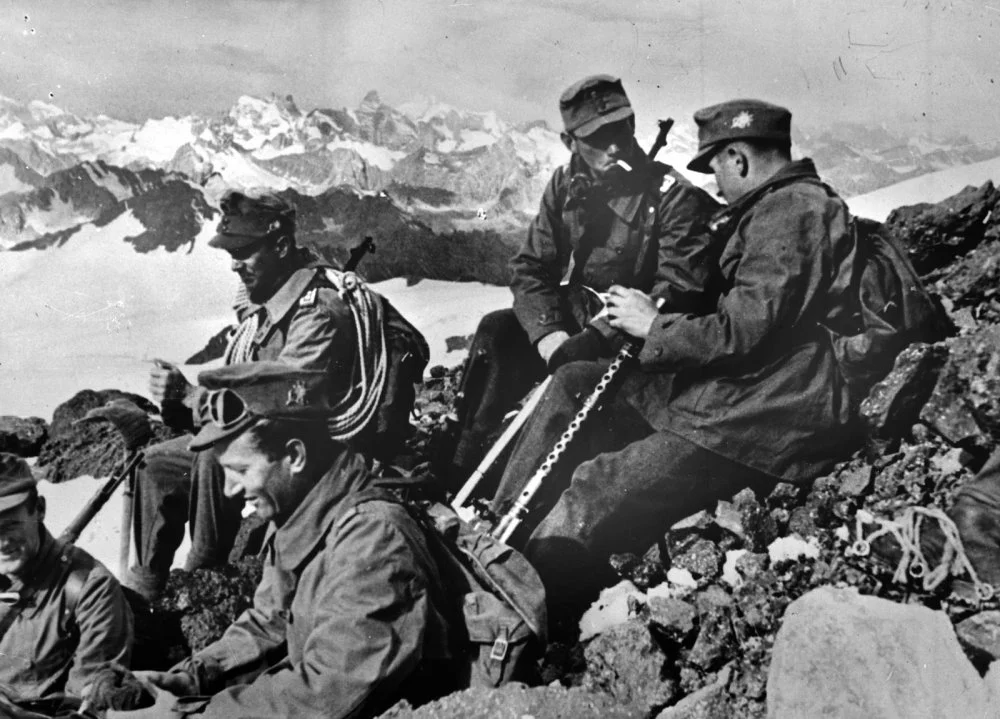
German infantrymen on the summits of the Caucasus on the Eastern Front in September 1942 during the Battle of the Caucasus in World War II. / Getty Images
Preparation for Forced Resettlement
To prepare for the scale of the forthcoming deportation, central authorities in July 1943 ordered a complete registration of the Chechen and Ingush population in the republic. From the autumn of 1943, military forces started dispatching to the Chechen–Ingush ASSR. According to available records, 19,000 NKVD and SMERSH personnel were stationed in the republic, alongside over 100,000 NKVD troops equipped with combat vehicles, aircraft, and extensive transport resourcesiИбрагимов М. М. Выселение чеченцев и ингушей: как это было // Современная научная мысль. — 2018. — С. 67..
In January 1944, 14,200 railcars and motor transport were allocated for the deportation of the Chechens and Ingush, the latter having arrived in the USSR under Lend-Lease from the United States via IraniБугай Н.Ф. Л. Берия - И. Сталину: «После Ваших указаний проведено следующее...». М.: Гриф и К, 2011. С. 226..
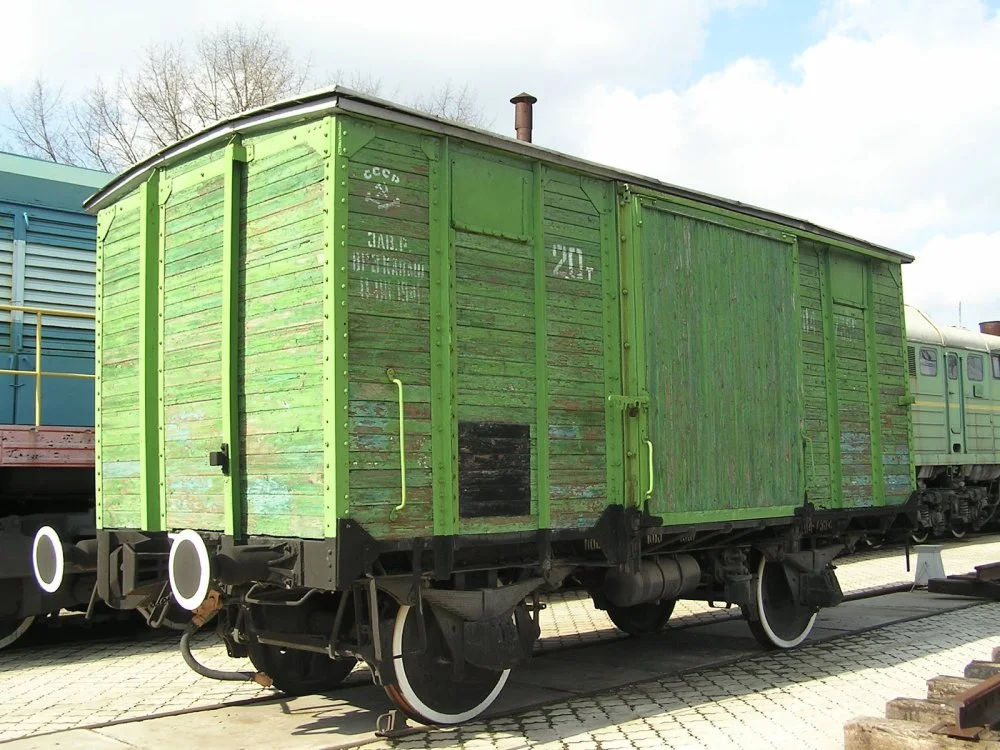
Museum of History and Development of the Donetsk Railway. Standard freight wagon (NTV)/ Wikimedia Commons
On 20 January 1944, the Council of People’s Commissars (abbreviated as SNK) of the Chechen–Ingush ASSR and the Chechen–Ingush Regional Committee of the All-Union Communist Party (Bolsheviks) issued a joint resolution titled ‘On Ensuring the Preparation of Tactical Exercises of Military Units of the North Caucasus Military District in Mountain Conditions’, which covertly laid the groundwork for the forced deportation of the Chechens and Ingush.
On 29 January, the People’s Commissar for Internal Affairs, Lavrentiy Beria approved the ‘Instructions on the Procedure for the Deportation of the Chechens and Ingush’. The top NKVD leadership directed the operation, including Commissar L. Beria and his deputies B. Kobulov, I. Serov, and S. Merkulov.
The operation was codenamed Chechevitsa (meaning ‘Lentil’) and was scheduled to begin on February 23, 1944.
On the last day of January 1944, under the top secret classification, the State Defense Committee issued Decree No. 5073, titled ‘On Measures for the Placement of Special Settlers within the Kazakh and Kyrgyz SSRs’. The decree made no explicit mention of Chechens or Ingush, referring instead to the resettlement of 400,000 ‘special settlers’ to the Kazakh Soviet Socialist Republic (Kazakh SSR) and 90,000 to the Kyrgyz Soviet Socialist Republic (Kyrgyz SSR). However, given the size of the relocated population and the subsequent actions, it is evident that the decree specifically targeted the Vainakh.
Less than a month later, on 17 February 1944, Beria reported to Joseph Stalin:
… the preparation of the operation to deport the Chechens and Ingush is nearing completion. After clarification and verification, 459,486 individuals designated for resettlement have been registered, including those living in Dagestani districts bordering the Chechen–Ingush Autonomous Soviet Socialist Republic and in the city of VladikavkaziБугай Н.Ф. Л. Берия - И. Сталину… С. 229..
On 21 February 1944, an NKVD order was issued on the resettlement of the Chechens and Ingush.
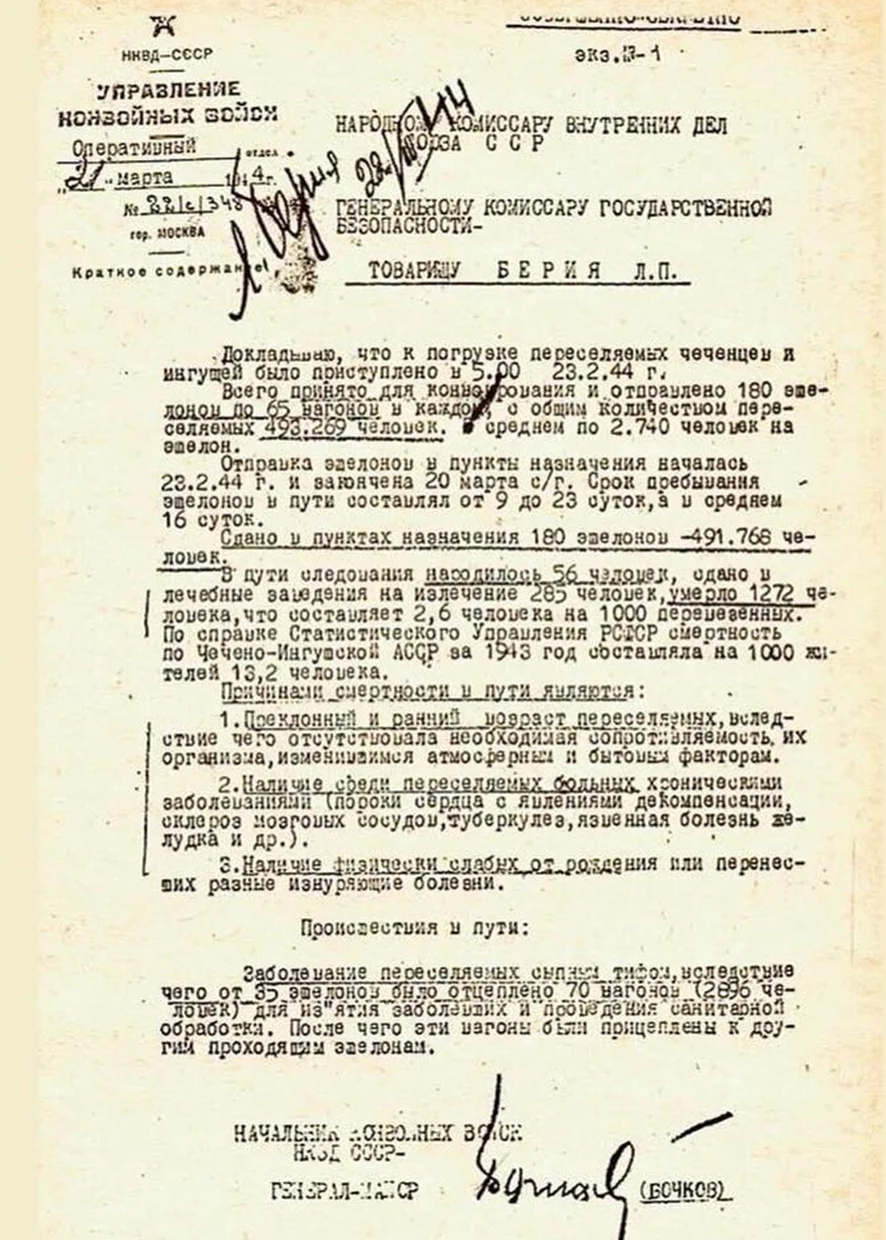
Report of Major General Viktor Bochkov, head of the NKVD convoy troops, to General Commissioner of State Security Lavrentiy Beria on the transportation of Vainakh (Chechens and Ingush) during the mass deportation from the North Caucasus, 21 March 1944 / From open sources
And on the eve of the launch of Operation Lentil, on 22 February 1944, Beria sent Stalin another report describing all organizational matters, including negotiations with the leadership of the Chechen–Ingush ASSR:
For the successful execution of the operation to deport the Chechens and Ingush, and following your instructions, the following measures were taken in addition to the Chekist and military preparations:
The Chairman of the Council of People’s Commissars of the Chechen–Ingush ASSR, Molaev, was informed of the government’s decision to carry out the deportation and of the rationale behind it. Upon receiving this information, Molaev shed tears, but quickly composed himself and promised to carry out all tasks assigned to him in connection with the deportation.
23 February 1944
Given the scale of the operation and the challenges of the mountainous terrain, Operation Chechevitsa was planned to be completed in eight days. The first three days were allocated to the deportation of residents from the lowland areas, the foothills, and, to a limited extent, certain settlements in the mountain zone, covering over 300,000 people. The remaining four days were to target the rest of the mountainous regions, home to roughly 150,000 more. The mountain areas had been blocked in advance.
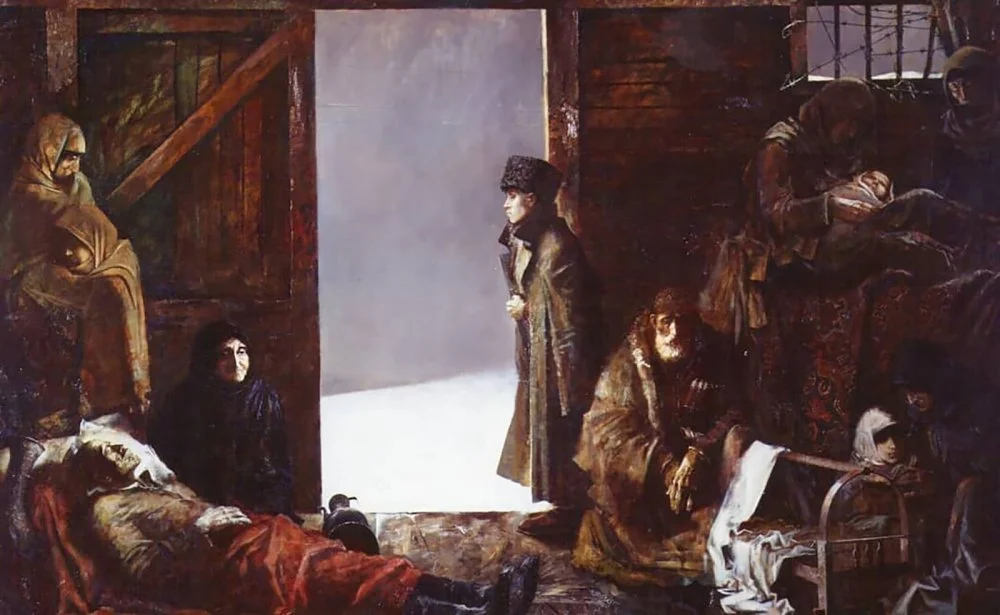
Sultan Yushaev. From the Native Land. Painting dedicated to the deportation of the Vainakh (Chechens and Ingush) in 1944. 1989 / Wikimedia Commons
The operation began at dawn on 23 February 1944. By 11 a.m., Stalin had received the first report from Lavrentiy Beria:
94,741 people have been removed from populated localities of the republic; more than 20% of those deported (20,023 people) have been loaded into railcars.
From the recollections of the descendants of those deported:
My mother recalled that, even before the day of the deportation, soldiers had already been stationed in their village and assigned to individual homes. Everything happened all at once, as people were being herded toward the village council …
Since, according to the customs of the mountain peoples, Caucasian men were allowed to carry cold weapons, at early dawn, all those capable of resisting the Chekists were disarmed and arrested. Resistance did occur, but it was localized and could not significantly affect the situation.
Very little time was allotted for gathering personal belongings, and people were allowed to take only the bare essentials.
—From the memoirs of M.A. GulieviИз истории депортаций. Казахстан. 1939-1945 гг. Сборник документов. Алматы, 2018. С. 555.
The harshest measures were applied to those unable to move—the disabled, the elderly, the sick—as well as to those who resisted: they were simply killed. As eyewitnesses recalled:
… For any expression of discontent—execution. For an attempt to escape—execution. For a misunderstood order—execution …iИбрагимов М.М. Выселение чеченцев и ингушей: как это было// Современная научная мысль, 2018, С.68
Parallel to the forced resettlement, groups were organized to take over the care of livestock and household property. One student eyewitness described this process as follows:
… At the same time, a mobilization of students and housewives was announced in Grozny. On the evening of 23 February, the institute director came to the dormitory and instructed all students to gather at the institute building by 6 a.m., bringing an extra set of clothes and food for three days. Students from the Pedagogical Institute also joined.
When we assembled at the institute, we saw many Studebaker trucks, half-loaded with Red Army soldiers. Following a carefully planned schedule, we were distributed among the villages, twenty to thirty people per village. Upon arrival, a pervasive silence struck us.
Half an hour later, the same vehicles were loaded with men, women, and children who had been arrested the day before. They were then transferred onto freight trains waiting in Grozny. All Chechens and Ingush were taken without exception. Dagestanis were left alone; in our aul, there were about seven or eight of them.
He also recalled:
The students’ task was to maintain the farms before the arrival of resettlers from the Kursk and Oryol regions. We had to gather the livestock, feed it, and receive grain and tools. In the mountain villages, the operation was carried out differently: all the livestock was evacuated, and the villages were burned to deprive the insurgents of any bases for survival. For days, the burning villages could be seen across the mountainsiУралов А. Убийство чечено-ингушского народа // Юридическая газета. – 1995. – №2.
Five days after the launch of Operation Lentil, on 28 February 1944, the NKVD issued Order No. 00193, titled ‘On Measures Following the Completion of the Deportation of the Chechens and Ingush’iГА РФ. Ф. P-9401. Oп. 2. Д. 3. Л. 325—328.
During the operation, 2,016 individuals were arrested, and 20,072 firearms were seizediЕрмебаев Ж.А. Чеченцы и ингуши в Казахстане. История и судьбы. Алматы: Дайк-Пресс, 2009. С. 84..
The Road of Death
Almost two weeks after the start of Operation Lentil, on 7 March 1944, the Presidium of the Supreme Soviet of the USSR issued a decree titled ‘On the Liquidation of the Chechen–Ingush ASSR and the Administrative Organization of Its Territory’ under the classification ‘Not for Publication’, which outlined the official position of the authorities.
The decree stated the reasons for the deportation as follows:
… During the Great Patriotic War, particularly during the German-Fascist campaigns in the Caucasus, many Chechens and Ingush allegedly betrayed the Motherland, sided with the fascist occupiers, joined saboteur and reconnaissance units sent behind Red Army lines, and—under German direction—formed armed groups to resist Soviet authority.
Furthermore, the decree claimed that many Chechens and Ingush, having participated for several years in armed uprisings against Soviet power and having spent extended periods without engaging in lawful labor, carried out criminal raids on collective farms in neighboring regions, looting and killing Soviet citizens.
The Presidium of the Supreme Soviet decreed: All Chechens and Ingush living in the territory of the Chechen–Ingush ASSR, as well as in the surrounding districts, are to be resettled in other regions of the USSR, and theiГА РФ. Ф. Р-7523. Оп. 4. Д. 208. Л. 51-54 Chechen–Ingush ASSR is to be dissolvediState Archive of the Russian Federation, F. R-7523, Op. 4, D. 208, pp. 51–54.
During these difficult war years, as in many other regions of the country, there were armed gangs, acts of sabotage, and occasional collaboration with German forces. These incidents, however, were not more widespread there than in other areas. Yet in this particular decree, as in many legal documents accompanying the deportation campaigns, an entire people was collectively accused of anti-Soviet activity, effectively giving the authorities a pretext to justify all subsequent measures.
The accusations of collaboration against the Chechens and Ingush were without an objective basis, since those who fought in the Red Army demonstrated courage and valor in defending the Motherland. At the same time, those who remained in the rear—men, women, the elderly, and adolescents—contributed to the war effort through their labor, helping bring victory closeriЕрмебаев Ж.А. Чеченцы и ингуши в Казахстане… С. 73
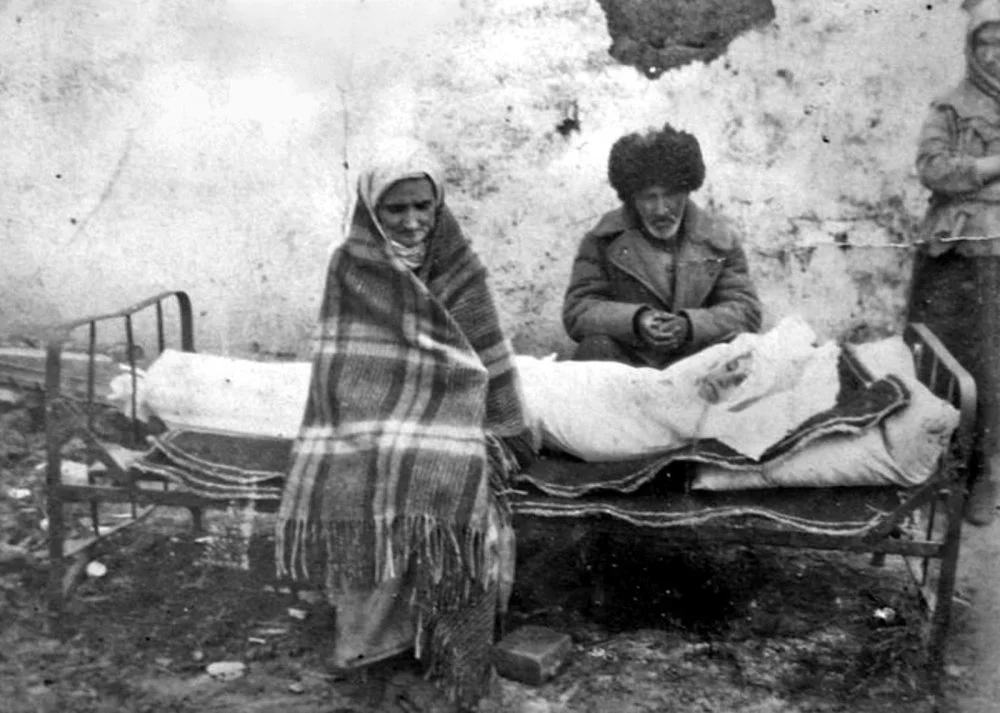
In the end, the ‘liberated’ territory was divided among neighboring krais and republics. The Vainakh—men, women, elderly, and children—were herded from their homes, loaded into freight railcars, and sent thousands of kilometers away.
Originally, cargo wagons were planned for transporting belongings. But later, in the ‘Report on Special Transport Operations in Connection with the Deportation of Chechens, Ingush, and Balkars’, dated 18 March 1944, the head of the Third Directorate of the People’s Commissariat for State Security of the USSR, Milshtein, proudly reported how he had ‘optimized’ the processiDeported Peoples in Kazakhstan: Time and Fate, Almaty: ‘Arys’–‘Kazakhstan’, 1998, p. 264.:
According to the calculations of the special contingent’s numbers, 15,207 wagons (272 trains) were required for their transport. In reality, 12,525 wagons or 194 trains, each with 65 wagons, were sent.
Increasing the special contingent load from forty to forty-five people per wagon, given that 40 to 50 per cent of the contingent were children, was entirely feasible.
The elimination of baggage wagons—given that deportees were not allowed to take bulky items, and each family carried personal belongings into the wagons—saved a significant number of wagons and equipment (buckets, planks, stoves).
The drawbacks of transporting the special contingent included the inability to carry out sanitary treatment, which led to cases of typhus during the journey. However, due to the measures taken, an epidemic was prevented.
The same report states that for the ‘operational personnel and NKVD troops’, 4,711 covered wagons were required—more than a third of the total wagons used to transport the deported Chechens and Ingush.
From the memoirs of Aza Bazorkina, the daughter of the famous Ingush poet and writer Idris Bazorkin:
Half a million people were loaded into wagons designed for livestock, with bunks being rare, and all without stoves. Cold February winds blew through the cracks. Where there were bunks, there was a place for the elderly and sick. Women and children sat on the floor. The youth traveled standing, sleeping while supporting one another. Some families were taken straight from their beds, barefoot, unclothed, without food. They shared everything they had. The journey lasted eighteen days with rare stops in the barren steppe. The doors were opened, and people were let out when necessary …iБазоркина А. Терпение: Воспоминания // Так это было: Национальные репрессии в СССР 1919-1952 годы/ Ред.-сост. С.У. Алиева. В 3 томах. Том 2. М.: ИНСАН, 1993. С.109-110.
H. Arapiev, who had been head of a department of the North Ossetian Regional Party Committee before the deportation, recalled:
In the overcrowded ‘cattle wagons’, without light or water, we traveled for almost a month to an unknown destination … Typhus began to spread … There was no treatment; the war was ongoing … During short stops at remote, uninhabited sidings, the deceased were buried in the snow blackened by locomotive soot (moving further than five meters from the wagon risked death on the spot) …iИз воспоминаний зав. отделом бывшего Северо-Осетинского обкома партии ингуша Х. Арапиева // Бугай Н.Ф. Л. Берия - И. Сталину. С. 229
—From the memoirs of H. Arapiev, an Ingush who headed a department of the former North Ossetian Regional Party Committee.
Almost a month later, on 21 March 1944, the reception and unloading of trains carrying Chechen and Ingush ‘special settlers’ in Kazakhstan and Kyrgyzstan was completed.
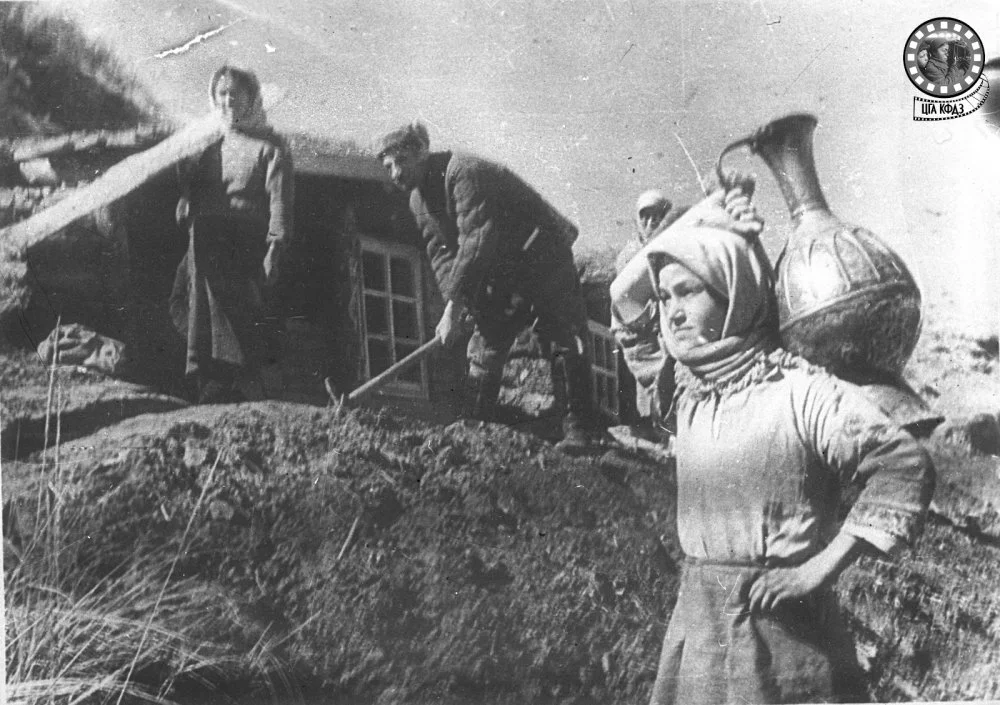
Deported Chechens building their own housing in the Taldykorgan region after forced resettlement in 1944 / TsGA KFDZ
According to archival documents, 180 trains carrying a total of 494,456 people arrived and were unloaded: 147 trains to the Kazakh SSR with 405,941 people, and 33 trains to the Kyrgyz SSR with 88,515 peopleiИз докладной записки начальника ОСП НКВД СССР М. Кузнецова замнаркома НКВД СССР В. Чернышеву о приеме и разгрузке эшелонов со спецпереселенцами чеченцами и ингушами// From The History of Deportations in Kazakhstan, 1939–1945. Из истории депортаций Казахстан 1939–1945 г.: Сборник документов. Состав. Ж.Т. Байкаш, Е.М. Грибанова. — Алматы 2018. С.342..
—From the report of M. Kuznetsov, head of the NKVD Special Settler Reception Department, to Deputy People’s Commissar V. Chernyshov on the reception and unloading of trains with Chechen and Ingush special settlers
Later, this number was supplemented by Vainakh men demobilized from the army and sent to the special settlements, including war heroes.
Data on the Reception and Unloading of Trains in the Kazakh SSR Carrying Chechens and Ingush
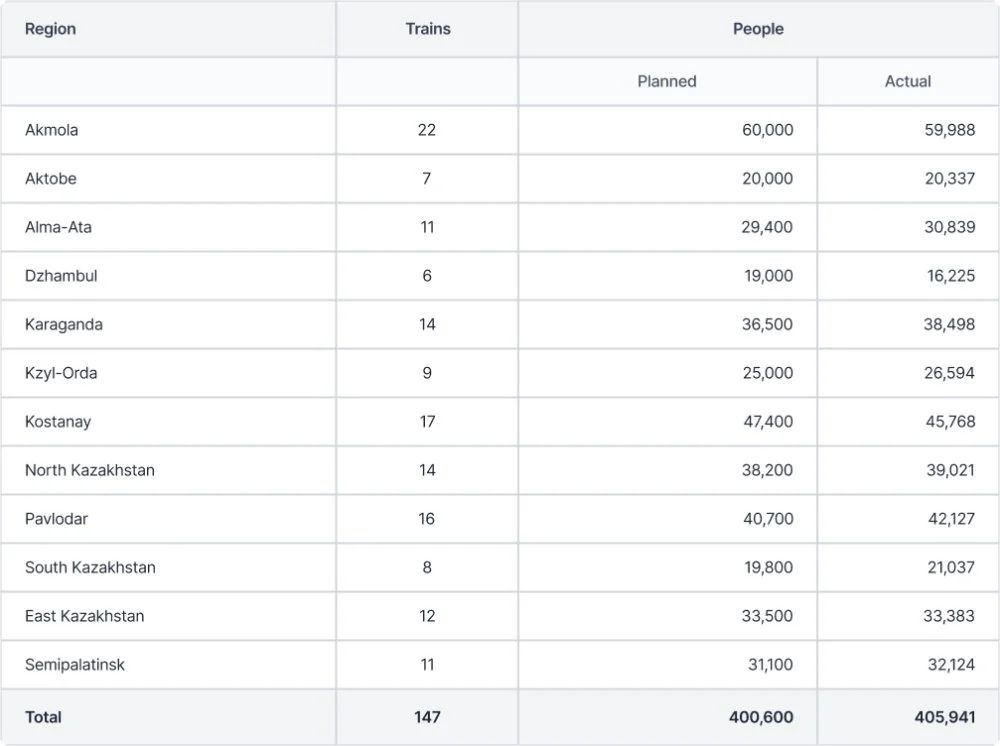
From the report of M. Kuznetsov, Head of the Special Settler Department (OСП) of the NKVD of the USSR, to V. Chernyshev, Deputy People’s Commissar of the NKVD of the USSR, on the reception and unloading of trains carrying Chechen and Ingush special settlers // The History of Stalin’s Gulag. Late 1920s – First Half of the 1950s.
According to M. Kuznetsov, colonel of State Security and head of the NKVD Special Settler Department, 1,361 people (0.27 per cent) died en route, and 1,070 were hospitalized. He reported that no incidents occurred during the unloading and reception of the trains. This was the official stance of the NKVD; yet the figures reported by Kuznetsov scarcely captured the magnitude of the tragedy of the Vainakh deportation.
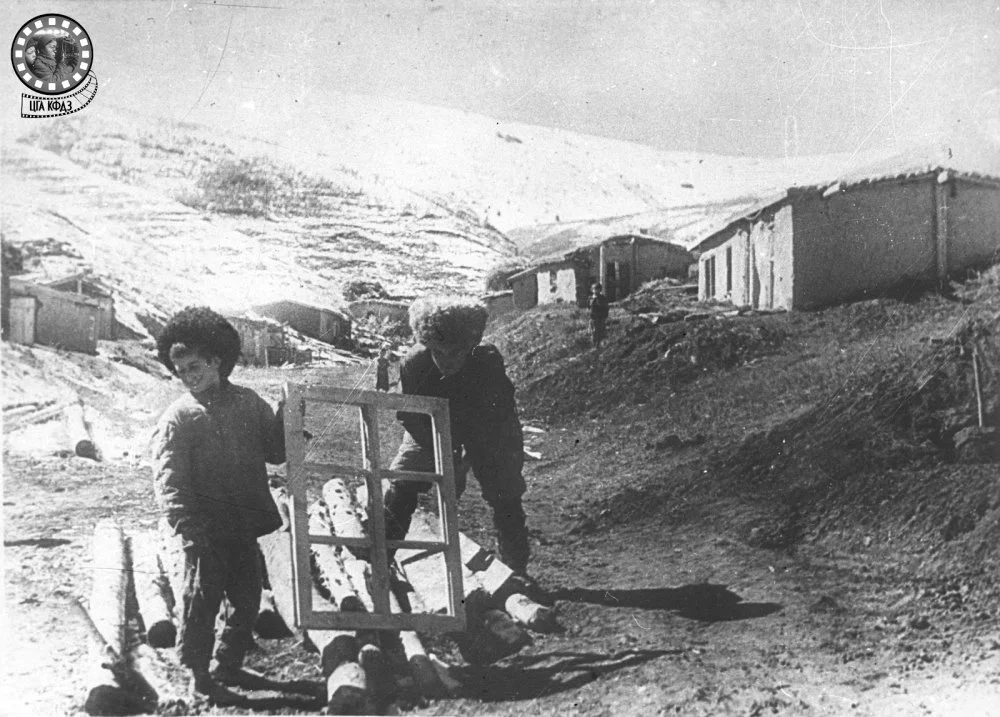
Deported Chechens building their own housing in the Taldykorgan region following their forced relocation on 23 February 1944 / TsGA KFDZ
Research by scholars who studied the issue and preserved the memoirs of Chechens and Ingush notes that the number of Vainakh who died en route ranged from one-third to one-half of the special settlers. In particular, D. Khodzhaev writes:
Approximately 200,000 Chechens and 30,000 Ingush died during the deportation. One in every two or three Chechens and Ingush perished. Of the 29,000 Chechen-Akkin people, 20,000 lost their livesiТак это было: Национальные репрессии в СССР 1919-1952 годы/ Ред.-сост. С.У. Алиева. В 3 томах. Том 2. М.: ИНСАН, 1993. С. 70.
It is difficult to determine how objective these estimates are. Moreover, the resettlement operation did not end between February to March 1944—they continued into 1945. By early October 1945, there were 405,900 Chechens and Ingush in special settlements in KazakhstaniЕрмекбаев Ж.А. Чеченцы и ингуши в Казахстане. С.89.
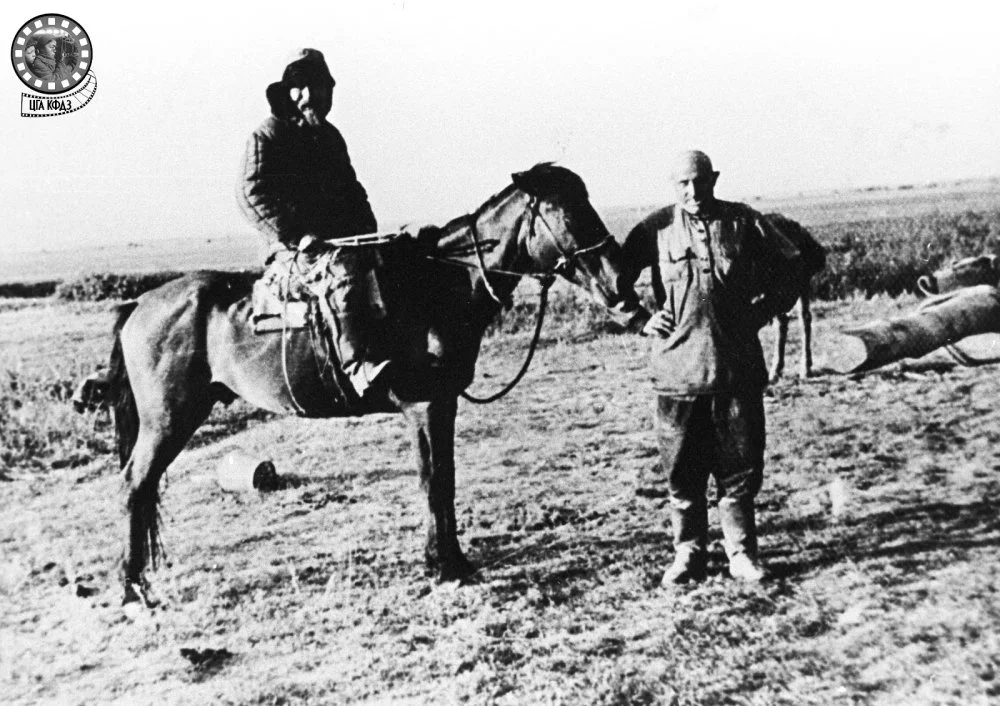
Deported Chechen (right) at a settlement in the Zhambul region following the forced relocation of Vainakh in 1944; settlement in Central Asia in the post-deportation period / TsGA KFDZ
Rehabilitation and the Return to The Homeland
From the time of the forced deportation until July 1956, the deported peoples of the North Caucasus lived under special settlement status—with restricted basic rights and prohibited from traveling far from their place of residence without special permission from the local commandant’s office.
On 16 July 1956, the Presidium of the Supreme Soviet of the USSR issued Decree No. 942, titled ‘On Lifting the Special Settlement Restrictions for Chechens, Ingush, Karachays, and Their Families Deported During the Great Patriotic War’.
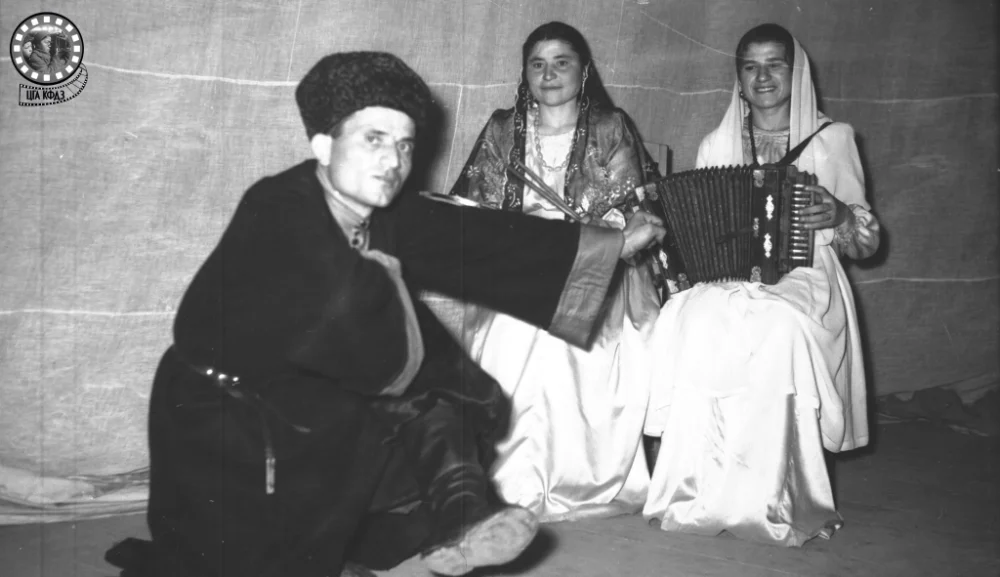
Garsiev — a laborer at the locomotive depot of Karaganda station — performs a Chechen-Ingush dance; K. Garsieva and K. Davletbaeva — manual workers — accompany him. Republican review of amateur artistic performance by workers and employees. Almaty, 1955 / TsGA KFDZ
Special settlers were also required to work a set number of work days or labor units per year—‘for the benefit of the state’. In return, they could receive grain, livestock, or clothing necessary for survival. The labor-unit quotas were high and not always achievable, either due to health reasons or simply because they lacked warm clothing to go outside. ‘The chairmen of collective farms typically recorded labor units, and much depended on their personal approach: some adhered strictly to the rules, while others showed leniency and, when necessary, credited any missing days.’
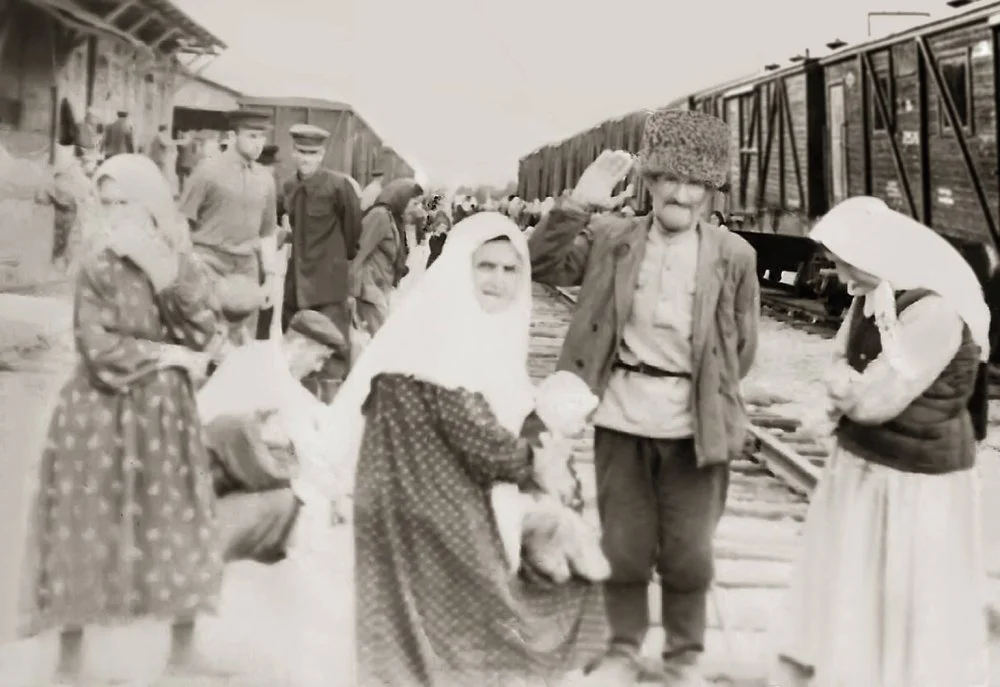
Residents of Yurt-Aukh village returning to their homeland after the lifting of special settlement restrictions for Chechens and Ingush in spring 1957 / Wikimedia Commons
From the memoirs of Ahmed Dokaev, who was deported from the village of Akkiik in 1944, we know:
They recorded labor units. I want to say that if we had ended up with cruel people, Chechens and Ingush would not exist on earth. They would have perished immediately. This is thanks to the kindness of the Kazakhsi‘Депортация народов в Казахстан в 1930-1950 гг.: общность истории’ под общей редакцией Ракишевой Б.И. — Астана, 2013 год. – 683 с..
On 9 January 1957, the Presidium of the Supreme Soviet of the USSR issued a decree titled ‘On the Restoration of the Chechen–Ingush ASSR within the RSFSR’, which allowed the forcibly resettled peoples to return to their homeland.
The ‘punished peoples’ arrived in alien lands in the harsh Kazakh steppe, virtually deprived of possessions, shelter, and livestock after an excruciatingly grueling journey. The Vainakh managed to survive in Kazakhstan thanks to the kindness of the local Kazakhs, who, even amid near-starvation during the war, shared their homes and meager food supplies. This act of kindness has remained deeply etched in the historical memory of the Vainakh.
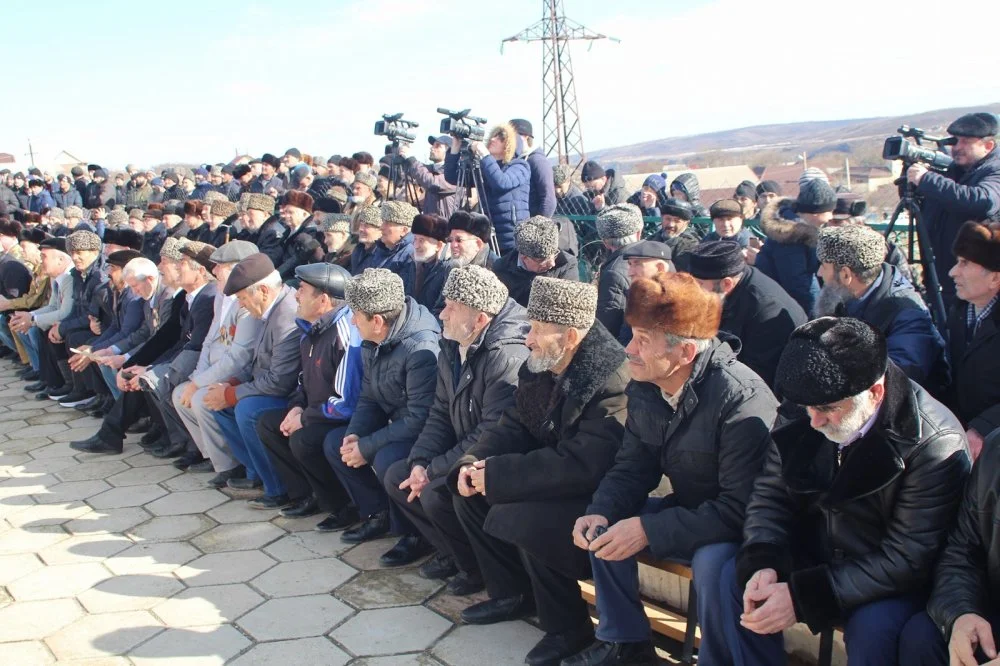
Alzhana Satikhanova. Сhechen rally in Aukh, 23 February 2017 (participants of a protest action in the Aukh district of Ingushetia). Photograph, 23 February 2017 / Wikimedia Commons
